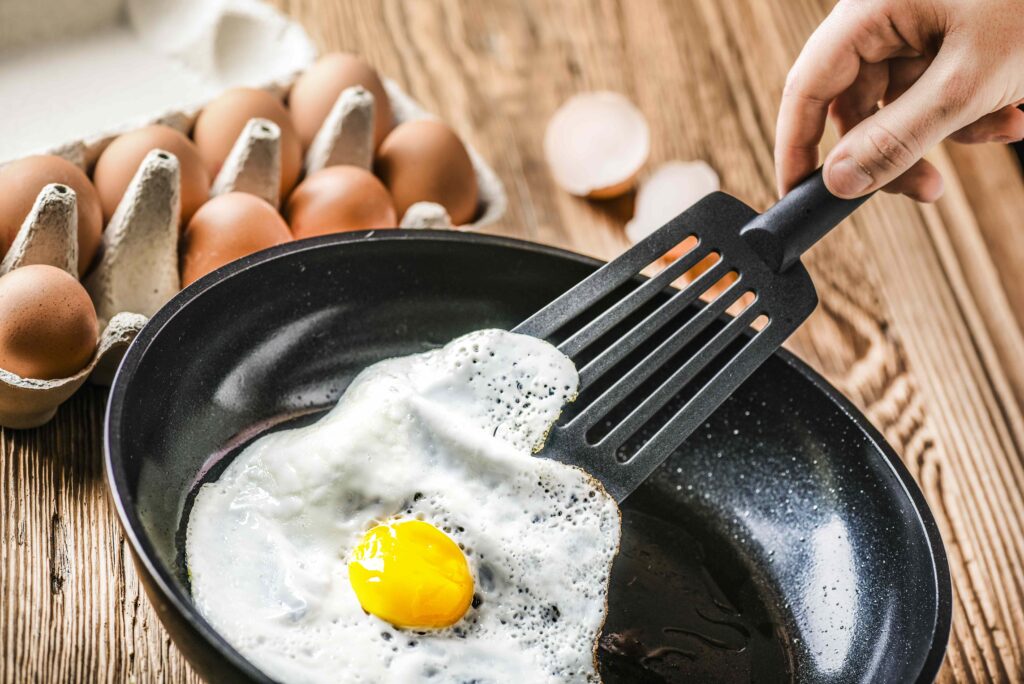
Eggs are often recommended as a good source of Vitamin B12, a nutrient that supports nerve function and metabolism, among other body processes. While eating eggs can certainly help you meet your daily B12 needs—packing 0.5 micrograms, or 19% of your Daily Value per egg—several other foods provide significantly more of the vitamin per serving.
Liudmila Chernetska / Getty Images
Vitamin B12: 70.7 micrograms (mcg)Serving size: 3 ounces (oz) serving
Beef liver is one of the most concentrated sources of B12 you can eat, providing nearly 3,000% of the DV per 3-ounce serving.
In addition to B12, beef liver is packed with protein plus critical vitamins and minerals, like iron, zinc, folate, vitamin A, and choline. Beef liver is especially high in vitamin A, with a 3-ounce serving providing 891% of the DV.
Because vitamin A is fat-soluble and eating too much could lead to vitamin A toxicity, beef liver should only be enjoyed occasionally and in small portions.
Bradford Tennyson / Getty Images
Vitamin B12: 17 mcgServing size: 3 oz
Clams are an exceptionally rich source of vitamin B12, with a 3-ounce serving providing about 700% of the daily recommended intake level.
This makes clams a powerful pick for supporting red blood cell production, neurological function, and overall health. Clams can also help you meet your needs for nutrients like protein, zinc, and selenium, all of which are needed for immune health.
Carlo A / Getty Images
Vitamin B12: 14.9 mcgServing size: 3 oz
Oysters are a nutrient-dense seafood option that can help boost your vitamin B12 intake. A 3-ounce serving covers over 600% of your B12 needs, making them a smart choice for those with low B12 levels.
Oysters are also rich in the mineral iron, which works alongside vitamin B12 to support red blood cell production and help prevent anemia.
Tip: Oysters can be enjoyed both raw and cooked, but raw oysters carry a much higher risk of being contaminated with bacteria that cause foodborne illness.
bhofack2 / Getty Images
Vitamin B12: 15 mcgServing size: 2 tablespoons (Tbsp)
Nutritional yeast is a deactivated form of Saccharomyces cerevisiae yeast that’s grown on a sugary medium then pasteurized and dried. The finished product is yellow, flaky granules with a savory, cheesy flavor.
Most nutritional yeast is fortified with vitamins and minerals, including B12. A 2-tablespoon serving covers 630% of your daily B12 needs, making it an excellent option for boosting the B12 content of savory dishes.
Since nutritional yeast is plant-based, it can be used by those following vegan diets, which are commonly low in B12.
Kinga Krzeminska / Getty Images
Vitamin B12: 2.5 mcgServing size: 2 Tbsp
Tuna is both affordable and shelf-stable, making it a go-to protein source for many people. In addition to being rich in filling protein, tuna provides important vitamins and minerals, including vitamin B12.
A 3-ounce serving covers over 100% of the DV and also supplies other nutrients like omega-3 fats and vitamin D, both of which help regulate inflammation in the body.
Greek yogurt is not only a soft food, but offers protein.
Mizina / Getty Images
Vitamin B12: 1.3 mcg Serving size: 1 cup
Dairy products, like yogurt, are a solid source of highly absorbable B12. In fact, the B12 found in dairy products is around three times more absorbable than B12 found in meat, fish, and poultry.
A cup of yogurt provides 86% of the DV for B12 and also provides a solid source of calcium, selenium, and zinc. If you’d like to optimize your protein intake, opt for Greek yogurt, which is significantly higher in protein than regular yogurt.
Photosiber / Getty Images
Vitamin B12: 351 mcgServing size: A 3.75-ounce can
A 3.75-ounce can of sardines covers over 300% of your B12 needs while delivering a hefty dose of protein, omega-3 fats, and calcium.
A single sardine can meet your entire daily vitamin B12 requirement, making sardines an exceptionally nutrient-dense protein option.
Tip: Choosing sardines with their bones provides extra calcium, an important nutrient for bone and heart health.
Phamai Techaphan / Getty Images
Vitamin B12: 1.2 mcg Serving size: 1 cup
If you’re following a plant-based diet, such as a vegan diet, it can be challenging to meet your daily B12 needs. For most people following vegan and strict vegetarian diets, fortified foods or supplements are necessary to keep B12 levels optimal.
Fortified plant milks are a convenient source of vitamin B12, especially for people who follow plant-based diets. A single cup of fortified plant milk, like oat milk, can cover 50% of your daily needs. Plus, fortified plant milks are versatile and can be added to sweet and savory recipes.