House members overwhelmingly approved a bill that would raise the amount people can recover in lawsuits against cities, counties and other government entities.
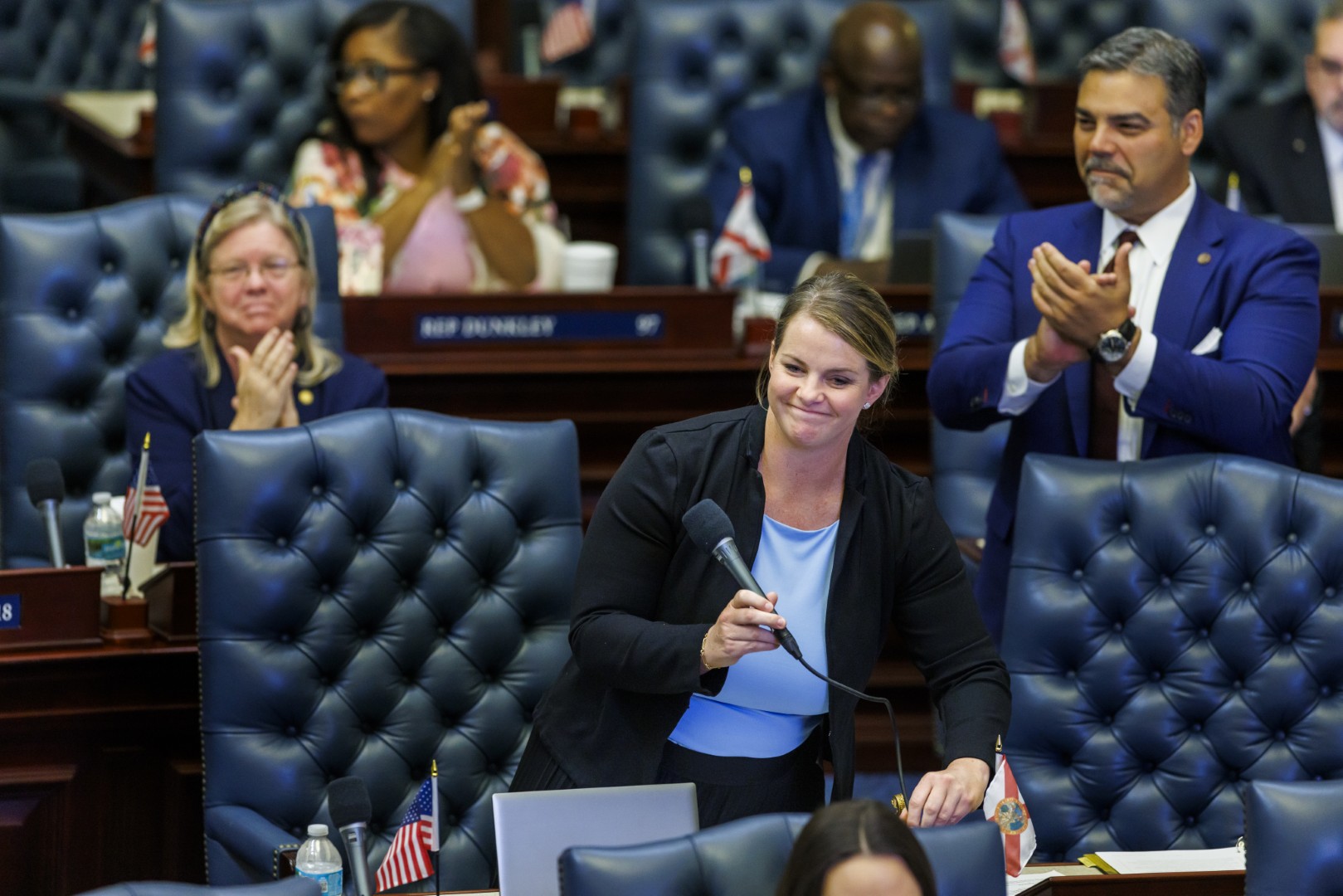
The House voted 104-7 to pass HB 145, sponsored by Sarasota Republican Rep. Fiona McFarland. The bill would increase Florida’s current sovereign immunity caps from $200,000 per person and $300,000 per incident to $500,000 per person and $1 million per incident beginning in 2026. The caps would rise again in 2031 to $600,000 per person and $1.2 million per incident.
The measure would also allow local governments to settle claims above the caps without first seeking legislative approval through a claims bill, a process McFarland described as burdensome and uncertain for victims of government negligence.
The concept of sovereign immunity comes from Old English law, where the king was said to be beyond reproach. … Today, our sovereigns are our local governments,” McFarland said during floor debate Thursday. “While they’re not shielded from accountability, they’re shielded from financial liability above $200,000 today, which serves as a disincentive from people bringing any lawsuit regardless of merit.”
Under current law, individuals seeking compensation beyond the statutory caps must pursue a claims bill, which requires separate legislative approval. McFarland said that process often forces victims to retain attorneys and lobbyists while hoping both chambers will agree to hear the bill.

“It’s an incredibly arduous and difficult process,” she said.
McFarland argued her legislation would reduce disparities between victims injured by private actors and those harmed by government negligence.
“If you or I or one of our loved ones is hit by a truck, we have to pay attention to what’s on the side of that truck,” she said. “Depending on whether there’s a corporate logo or a government seal, we have different access to monetary wholeness. That doesn’t sit right with me.”
In addition to raising the caps, the bill aligns the statute of limitations for negligence claims against government entities with those applicable to private parties, giving victims the same amount of time to file suit. It also prevents insurers from withholding payment until a claims bill has passed the Legislature and shortens the notice period required to bring a claim.
Throughout the committee process, supporters said the changes modernize limits that have not been updated since 2010 and streamline a system that only allows a fraction of claims bills to pass each year. Local governments and school districts, however, have warned that higher caps could lead to increased government insurance premiums and additional pressure on local budgets, particularly as lawmakers continue to debate property tax reductions.

The legislation now heads to the Senate, where its future remains uncertain. Its companion bill (SB 1366) was filed on Jan. 7 by Republican Lake Mary Sen. Jason Brodeur. A similar proposal passed the House last year with broad bipartisan support but stalled in the Senate without receiving a hearing.
McFarland acknowledged concerns from local officials during her closing remarks, but urged members to support the bill.
“I know you’ve been lobbied by your local governments back home, because this will increase in some way the cost for local governments because we’re increasing their liability. I know they’re going to have to pay more in insurance. I’m telling you, it’s worth it and it’s time.”