Nutritional support enhances treatment continuity in malnourished patients with advanced gastric cancer and independently predicts longer time to treatment failure, which measures how long a therapy remains effective before disease progression or discontinuation.
Findings were presented at the 2026 ASCO Gastrointestinal Cancers Symposium.
In a study of 324 patients, 76 (23%) received nutritional support from a specialized team. These interventions were more often given to patients with poor nutritional status or higher levels of inflammation. Patients were followed for a median of 54.2 months.
After matching patients with similar characteristics (46 pairs), median overall survival was 16.6 months for those receiving nutritional support compared with 12 months for routine care, and median time to treatment failure was five months versus 4.6 months, though these differences were not statistically significant.
In patients with low albumin levels, nutritional support was linked to a longer time to treatment failure (five months versus 3.7 months). Across all patients before matching, nutritional support independently predicted longer time to treatment failure.
Results demonstrated that nutritional support did not demonstrate a survival advantage in the overall advanced gastric cancer population; however, it contributed to the maintenance of chemotherapy in patients with hypoalbuminemia.
“These findings suggest that targeted nutritional intervention for high-risk patients may represent a pragmatic strategy to preserve treatment delivery and potentially improve outcomes,” presenter Dr. Keiji Sugiyama and collogues wrote in the study abstract.
Sugiyama works in the Department of Medical Oncology at the NHO Nagoya Medical Center in Nagoya, Japan.
What Nutritional Support was Provided?
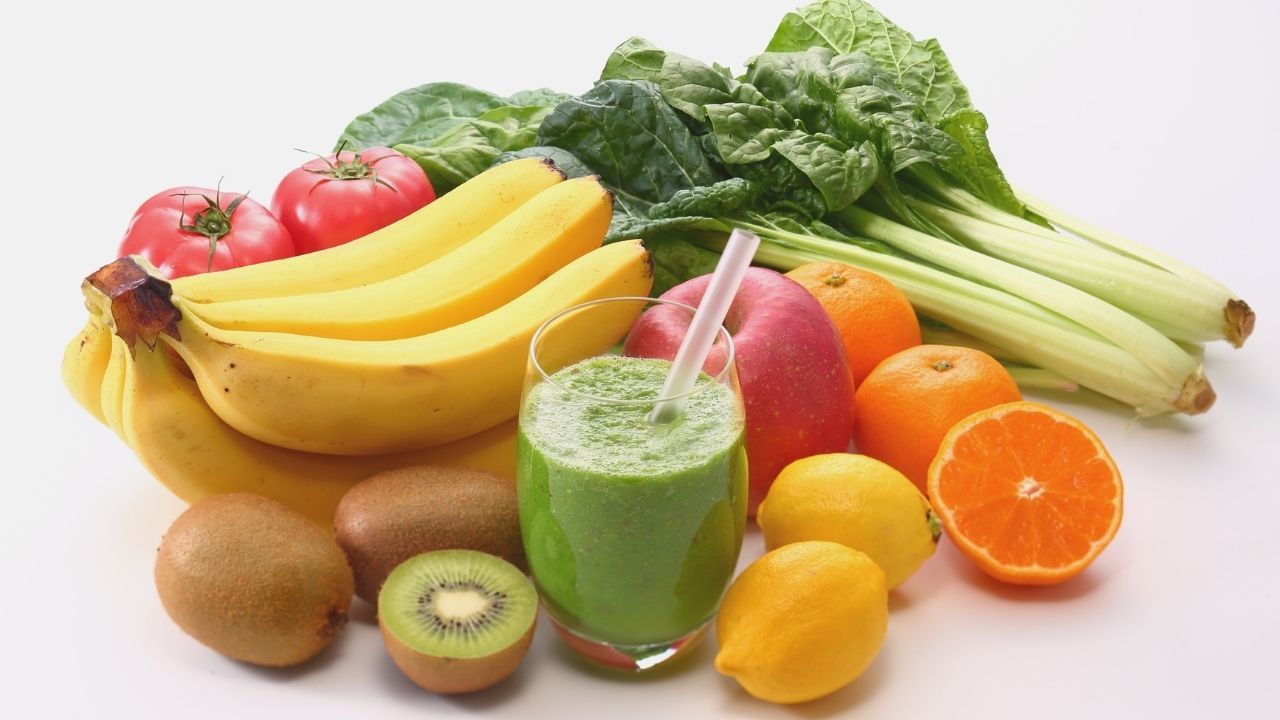
Patients in the nutritional support group received a personalized plan from a dietician. At the start, the team assessed each patient’s energy needs, aiming for 25 to 30 calories per kilogram of body weight per day. They reviewed what patients had eaten over the previous 24 hours and looked at weight changes, nutrition-related symptoms and lab markers.
The dietician then created an individualized meal plan and provided supplements and recipes to help patients meet their nutritional goals. Patients were monitored regularly, with follow-ups on food intake, lab results, weight and nutrition-related symptoms to adjust the plan as needed.
What Was the Trial Design?
This study looked back at patients with advanced or recurrent stomach or gastroesophageal junction cancer who started first-line chemotherapy at NHO Nagoya Medical Center between 2007 and 2024. Patients included had not received prior chemotherapy except after surgery and were generally able to carry out daily activities with little to moderate limitation.
The researchers compared patients who received nutritional support with those who received routine care to see whether nutritional support helped them stay on treatment longer. To make the groups as comparable as possible, factors like nutrition and inflammation were taken into account.
The main measure was how long patients stayed on treatment before it stopped working, called time to treatment failure. Overall survival, or how long patients lived, was also tracked. The study also looked at outcomes in patients with lower versus higher levels of serum albumin, a protein that reflects nutritional health.
What Was the Rationale for the Trial?
Malnutrition is common among patients with advanced stomach or gastroesophageal junction cancer and can make it harder to tolerate chemotherapy. This may affect how well treatment works. While nutritional support from a specialized team is often offered in routine care, it is not yet clear whether this support improves treatment outcomes for patients with advanced gastric cancer.
Reference”Survival Benefit of Nutritional Support in Advanced Gastric Cancer Patients Receiving Chemotherapy: A Propensity Score-Matched Study” by Dr. Keiji Sugiyama, et al., Abstract 354, 2026 ASCO Gastrointestinal Cancers Symposium.
For more news on cancer updates, research and education, don’t forget to subscribe to CURE®’s newsletters here.