Coya’s FDA clearance for COYA 302 opens new chapter in treating frontotemporal dementia – calming immune system rather than chasing symptoms.
Texas-based clinical-stage biotech Coya Therapeutics announced that the US Food and Drug Administration (FDA) has accepted its Investigational New Drug (IND) application for COYA 302, allowing the company to move forward with clinical trials of the therapy in patients with frontotemporal dementia (FTD).
Old age and fading memories are the common ideas we have when we talk about dementia. FTD breaks that stereotype. It is the most common form of dementia in people under 65, often appearing in someone’s late 50s, sometimes earlier.
Instead of memory loss, the first signs of FTD are frequently changes in personality, judgment, empathy or behavior – shifts that can be deeply unsettling for families who feel they are losing a person before their time.
Around 60,000 Americans are currently living with FTD. From diagnosis, average survival is roughly seven and a half years [1]. And despite decades of research, there is still no treatment that can slow or stop the disease. That long-standing gap makes even incremental progress worth attention.
FDA’s acceptance of Coya’s IND is not an approval, nor is it a promise of success. It is, however, a regulatory vote of confidence that a therapy is ready to be tested in people. For a disease area with repeated failures and limited funding, reaching this stage is itself a meaningful milestone.
For Coya, the decision signals growing regulatory openness to immune-based approaches in neurodegeneration. But more than that, it reinforces a broader trend: the shift away from treating late-stage symptoms and toward targeting underlying biological processes earlier in the disease.
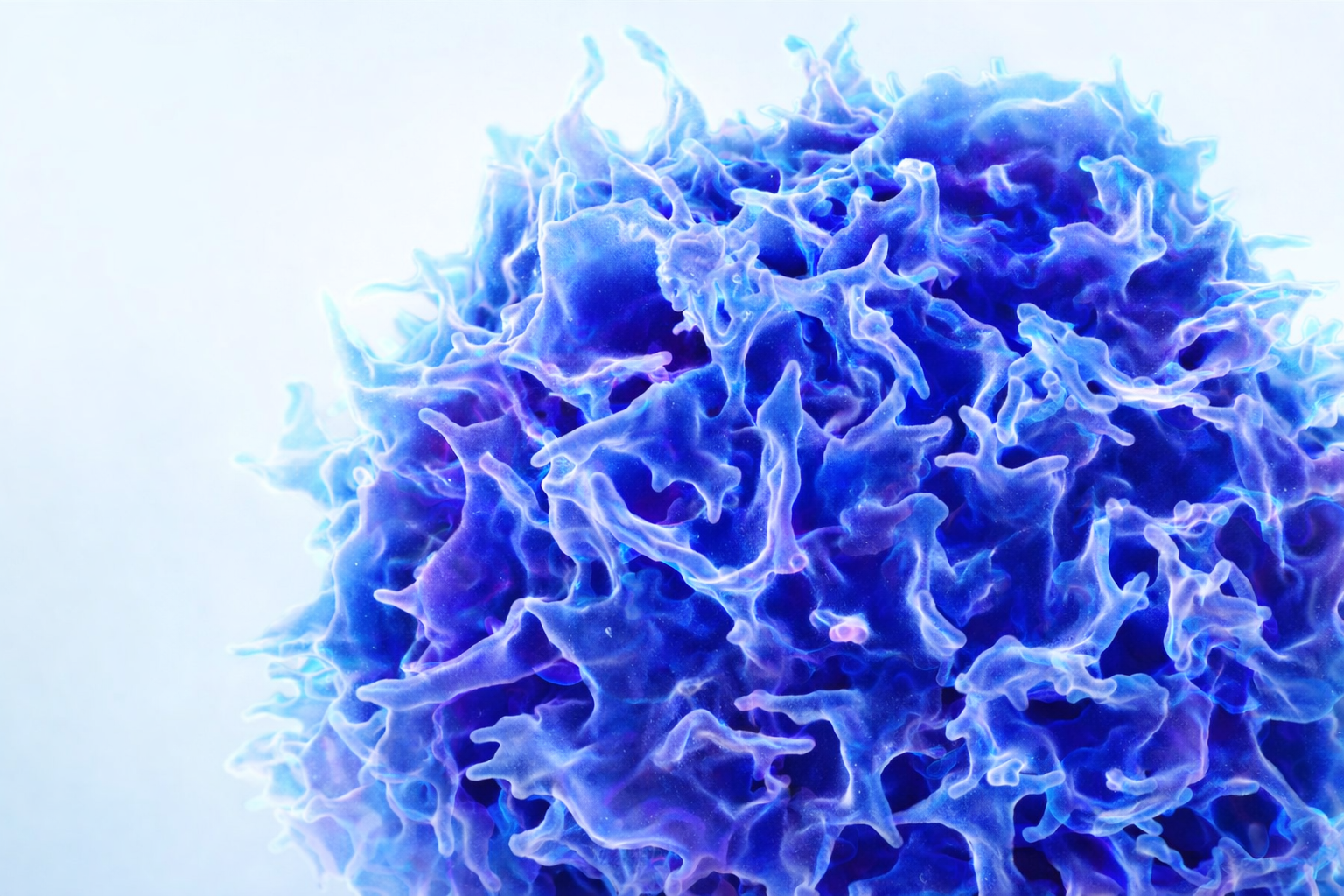
What sets COYA 302 apart is where it aims to intervene. Rather than directly targeting neurons or protein buildup in the brain, the therapy focuses on regulatory T cells, or Tregs, immune cells that help keep inflammation under control.
As people age, immune regulation often weakens. In neurodegenerative diseases, that imbalance can lead to chronic inflammation in the brain, which researchers increasingly believe accelerates damage. COYA 302 is designed to enhance the anti-inflammatory function of Tregs, effectively restoring some of the immune system’s lost braking power.
According to Coya’s Chief Medical Officer, Dr Fred Grossman, research increasingly suggests a link between neuroinflammation and the progression of FTD.
“We believe the dual mechanism of COYA 302, which is designed to enhance the anti-inflammatory function of Tregs, provides a strong scientific rationale for evaluating this therapy in patients with FTD,” he said [1].
The idea is simple: instead of fighting the brain directly, the therapy aims to quiet an immune response that may be exacerbating the disease.
FTD specialists have consistently maintained that the condition has not received sufficient attention or resources.
Dr Adam Boxer, a professor of neurology at the University of California, San Francisco and an expert in FTD clinical trials, emphasized the urgent need to develop disease-modifying therapies, noting that no such treatments are currently available to patients.
“I am pleased to see this new treatment approach with a strong scientific rationale being moved forward toward a clinical trial for sporadic FTD,” he said [1].
The emphasis on “disease-modifying” matters. Most existing interventions in dementia focus on managing symptoms. Coya’s approach, by contrast, is rooted in slowing or altering the disease process itself – a key goal in longevity medicine.
COYA 302 is not being developed in isolation. The same therapy is currently being studied in amyotrophic lateral sclerosis (ALS), another neurodegenerative disease where immune dysfunction and inflammation are thought to play a role. Coya is running a Phase 2, placebo-controlled ALS study known as the ALSTARS Trial [2].
Coya’s cross-disease strategy reflects a growing belief in longevity science that conditions like ALS, FTD and other neurodegenerative disorders may share deeper biological roots. If immune balance can be restored, the benefits could extend across multiple diseases rather than being confined to one diagnosis.
Coya has also said it expects to report topline results from a small, investigator-initiated open-label study in patients with mild-to-moderate FTD in the coming weeks, offering an early glimpse into how the approach performs in humans.
Longevity is about preserving function, not just adding years, but protecting the ability to think, relate and live independently. FTD strikes at exactly those capacities, often during midlife, when people are still working and contributing to society.
By targeting immune regulation, Coya’s work aligns with a larger rethinking of aging biology. Chronic inflammation has emerged as a common thread linking aging, neurodegeneration, and loss of resilience. Therapies that restore immune balance may therefore hold outsized importance in extending healthspan, particularly cognitive health.
The FDA’s decision does not guarantee that COYA 302 will succeed. But it does suggest momentum for immune-based strategies, for earlier intervention in dementia and for a longevity-focused view of neurodegenerative disease.
[1] https://ir.coyatherapeutics.com/news/news-details/2026/Coya-Therapeutics-Announces-U-S–FDA-Acceptance-of-Investigational-New-Drug-IND-Application-for-COYA-302-for-the-Treatment-of-Frontotemporal-Dementia-FTD/default.aspx
[2] https://ir.coyatherapeutics.com/news/news-details/2025/Coya-Therapeutics-Launches-the-ALSTARS-Trial-a-Phase-2-Clinical-Study-to-Assess-the-Efficacy-and-Safety-of-COYA-302-in-Amyotrophic-Lateral-Sclerosis/default.aspx