Since August, Cocokind has been employing a strategy reflective of a wider industry shift: It has been sending PR mailers to its most engaged fans, rather than top-tier influencers. Each month, it sends a mailer with products to 100 people who have scored 100% on the brand’s “skuiz,” or skin-care quiz. Winners are selected via a lottery.
These brand loyalists are not traditional influencers, though some may be aspiring creators. And while they may only have 200-300 followers, some post about beauty daily, said Priscilla Tsai, founder and CEO of Cocokind. What’s more, these are people who can answer a question as specific as, “How much more expensive is the raw material used to make Cocokind’s Advanced Retinol versus its Beginner Retinol?” Tsai said. All of the answers, she mentioned, were previously shared on a Cocokind social channel or on her podcast, Off Brand by Cocokind.
To date, the brand has sent out six rounds of these mailers. The first five included hero products, some new, with themes tied to moments like National Eczema Awareness Month or the holiday season. But the sixth, sent in December, marked a shift in strategy.
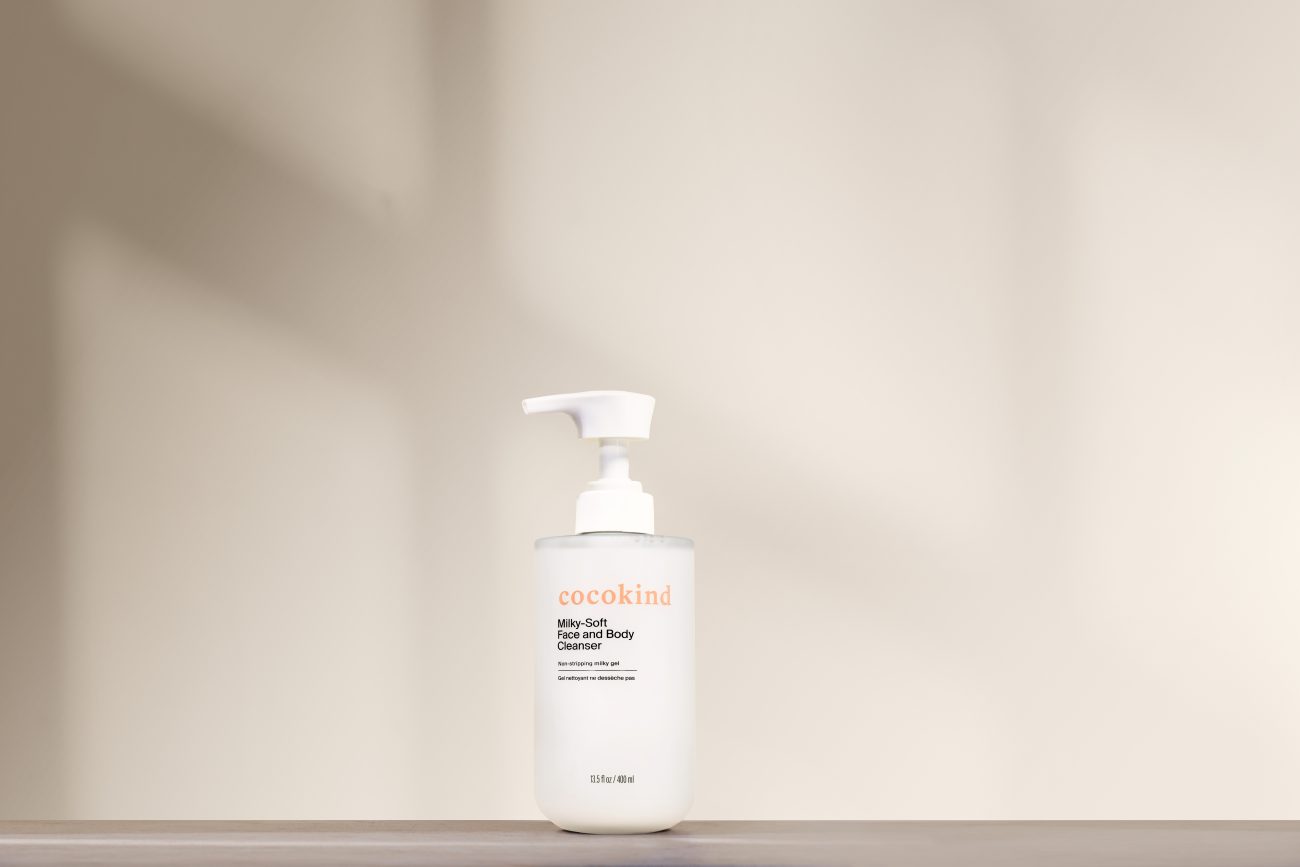
Rather than center the mailer on existing products, Cocokind opted to “leak” an upcoming launch: the $18 Milky-Soft Face and Body Cleanser. And, recognizing that many of the same brand loyalists kept winning, the brand replaced the quiz with a survey. Questions included: “When did you first hear about Cocokind, and why did it catch your attention?” “What brand do you want to see Cocokind collaborate with next?” and “What would you love to see Cocokind launch next?”
“We wanted to make it something that was a pretty low barrier to entry,” said Maria Maciejowski, CMO at Cocokind. “[We didn’t want it to feel like they] had to study for a quiz, [but rather] for us to learn a little bit more about their preferences in a really easy way.”
Cocokind’s approach reflects a broader shift in how beauty brands are thinking about creator marketing — one that prioritizes depth of engagement over follower count. Brands including Dieux, Curie and DedCool have sent lab samples, pre-launch, to community members. In the athleisure space, Set Active frequently gifts community members. And brands like Nuuly have created programs centered around prioritizing partnerships with micro-influencers. On January 22, Milani will announce a giveaway of 1,750 mailers for its new mascara.
As influencer fees rise and consumer trust in mega-influencers dwindles, brands are increasingly investing in nano- and micro-creators whose smaller audiences are sometimes more active and community-driven. “Leaks” are one way to drive long-term brand affinity and drum up pre-launch excitement.
Glow Recipe, for example, has also leaned into the pre-planned “leak” for launches like its Prickly Pear Peptide Mucin Serum last August. The box insert read, “Is Glow Recipe launching a cruelty-free snail mucin?” Over 1,800 creators worldwide received the product prior to its launch.
Cocokind’s mailers also contained an insert. On the front, it stated, “Don’t leak this,” and on the back: “Just kidding, leak away!”
Initially, the brand thought about asking recipients to keep the launch under wraps, but ultimately decided against it. “We felt like that actually better aligned with us,” Maciejowski said. “We’re an extremely transparent brand. We kind of can’t keep a secret.”
The strategy proved effective. Compared to the brand’s prior mailer drops, December’s “leak-away” mailer drove a 270% increase in entries. In a December 15 Instagram post, Tsai introduced the opportunity to apply, noting that — this time around — participants would not need a perfect skuiz score to be elligible. That post received 1,800 likes plus comments expressing support for the brand’s community-first approach. Part of one comment reads, “The engagement and care you have for your community is unmatched — from the community brand trips that are not exclusive to those with a large following to the free PR mailers that you continue to put the work and effort into making it effective and fair for everyone. I know I’ve commented this before but i will never stop saying how amazing of a brand Cocokind is and how good it feels to support you throughout the years.”
The primary cost of the program comes down to the samples themselves and the shipping. And in terms of ROI, Maciejowski said Cocokind’s focus is long-term community-building, which she views as synonymous with brand-building. Since 2024, the brand has also consistently invested in consumer brand trips.
Between December 6, 2025 and January 6, 2026, the “leak” mailer generated over 150 posts, driving 2.9 million impressions, 15.9 million in reach and over $390,000 in earned media value.
But Maciejowski said the goal is depth over scale. “As [Tsai] has said many times, we would much rather have 1,000 [community members]who are truly obsessed with Cocokind and our products than 1 million who are only loosely familiar with us. These mailers are one of the ways we authentically nurture and grow that core group.”
Beyond building brand affinity, the strategy also supports very small creators. These are people who may not even be aiming to grow large followings, but who enjoy participating in the online beauty community, Tsai said.
“They may have 800 followers, but they have 30 comments on each [post], and they’re supporting each other,” she said. “Brands are realizing that so much of their community is content creators, and maybe they have, like, 200 followers, but they’re truly posting beauty stuff every single day. It’s really hard to afford every single product that you want to review, … and if you don’t review [products], then you don’t have content.”
Content about new products often performs best, Tsai said. And so, by giving these micro-creators early access to an unreleased product, Cocokind offers not just a mailer, but also an opportunity. “For a lot of these people, this is going to be their best-performing video,” she said. Not only do they not come with the price tag of a mega-influencer, but nano- and micro-influencers also make content that frequently performs better within the type of tightly knit communities where followers actively comment, save and share.
For Cocokind, there is also the potential upside of making an early-stage investment in a creator. Today, creator Krystin Hoffman has more than 400,000 TikTok followers, for example. But on a recent episode of the Off Brand podcast, she recalled that Cocokind was one of the first brands to gift her.
Collab of the week: MZ Wallace x Splits 59
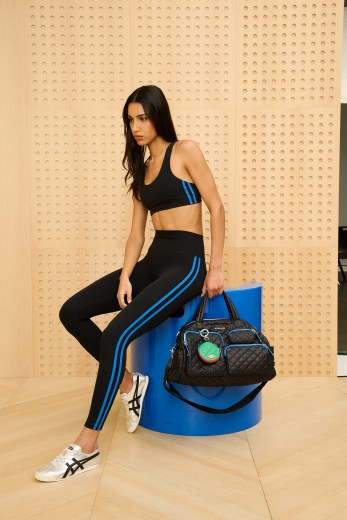
Splits 59, the activewear brand favored by many influencers, has teamed with MZ Wallace, known for its quilted totes, on a capsule collection made for the girl-on-the-go (from Pilates). The collection encompasses four of Splits59’s best-selling silhouettes and five of MZ Wallace’s best-selling bags, each featuring a black-and-blue colorway and multicolor accents.
“Splits59’s collaboration with MZ Wallace is designed to fill a strategic gap in our assortment, driving incremental revenue while expanding brand awareness through access to a closely aligned customer base,” said Shannon Quarantino, vp of e-commerce at Splits59. “The partnership will be activated through co-branded fitness events, at our pop-up with Formula by Meredith and at Silver Springs in L.A., and amplified by dual-channel distribution across both brands’ websites and retail locations.”
Inside our coverage
Beauty Briefing: How beauty’s beleaguered makeup brands can turn it around
Wellness Briefing: The collabs and campaigns winning ‘new year, new you’ marketing, plus news
After rapid growth, Thirdlove expands its menopause-focused line to activewear
Reading list
Lemme launches creatine body toning gummies
Sounds like Drunk Elephant is moving on from the Sephora tweens
‘Social listening’: Unilever seeks to capitalize on Vaseline’s TikTok moment