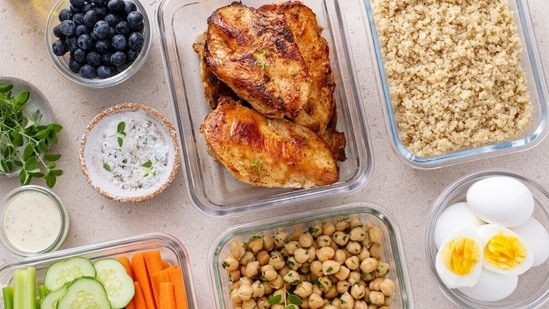
When it comes to weight loss, the word ‘overeat’ is usually off-limits. However, online fitness coach Kev is challenging that notion. In an Instagram post shared on January 13, Kev revealed a ‘cheat sheet’ of 50 high-volume, low-calorie foods that allow dieters to stay full while maintaining a calorie deficit. Also read | Fitness coach shares ’20 vegetarian foods that have more protein than eggs’: Soy chunks, Amaranth, chana dal, chia seeds
 Healthy weight loss diet: by focusing on caloric density rather than strict restriction, you can maintain the physical sensation of being full while your body utilises stored fat for energy. (Shutterstock)The secret to sustainable fat loss
According to Kev, the primary pitfall of most diets is under-eating, which leads to metabolic slowdown and binge eating. His solution? Volume eating. By choosing foods that are physically large but low in caloric density, you can trick your brain into feeling satisfied without overconsuming energy.
“Two simple ways you can use this cheat sheet to help you lose fat,” Kev explained to his Instagram followers, saying, “Eat smarter by adding more volume to your meals, which will keep you fuller for longer, or use my template: 200g protein, 200g veggies, 100g carbs, and 150g fruits.”
Kev’s list of ’50 foods you can literally overeat without getting fat’ focuses on foods that typically contain fewer than 120 calories per 100g, making it nearly impossible to ‘accidentally’ gain weight while eating them in their whole form.
Protein powerhouses
Protein is essential for muscle preservation and satiety. According to Kev, these options are among the leanest available:
1. Scallops – 88 kcal
2. Nonfat Greek yoghurt – 59 kcal
3. White fish (haddock, tilapia, cod) – 80 kcal
4. Silken tofu – 55 kcal
5. Chicken breast – 110 kcal
6. Egg whites – 52 kcal
7. Crab – 97 kcal
8. Low-fat cottage cheese (paneer) – 81 kcal
9. Tuna (can) – 116 kcal
10. Shrimp – 85 kcal
11. Turkey breast – 104 kcal
The ‘volume’ carbs
Instead of calorie-dense and heavy grains, Kev suggested carbs that provide fibre and texture for a fraction of the calories:
12. Cauliflower rice – 25 kcal
13. Shirataki rice – 10 kcal
14. Pumpkin – 26 kcal
15. Zucchini noodles – 17 kcal
16. Seaweed/nori sheets – 35 kcal
17. Tofu noodles (shirataki tofu noodles) – 10 kcal
18. Konjac noodles – 10 kcal
19. Rice cakes (plain) – 35 kcal
Low-calorie veggies and fruits
Vegetables form the backbone of the ‘unlimited’ eating plan. According to Kev, options like cucumber (15 kcal), celery (14 kcal), and bok choy (13 kcal) consist mostly of water and fibre. On the fruit side, watermelon (30 kcal) and strawberries (32 kcal) are highlighted as the perfect way to satisfy a sweet tooth without the caloric price tag of processed snacks:
20. Bok choy – 13 kcal
21. Broccoli – 34 kcal
22. Radishes – 16 kcal
23. Mushrooms – 22 kcal
24. Eggplant – 25 kcal
25. Celery – 14 kcal
26. Snap peas – 42 kcal
27. Zucchini – 17 kcal
28. Tomatoes – 18 kcal
29. Lettuce – 15 kcal
30. Kale – 35 kcal
31. Bell peppers – 31 kcal
32. Cucumber – 15 kcal
33. Spinach – 23 kcal
34. Green beans – 31 kcal
35. Cabbage – 25 kcal
36. Asparagus – 20 kcal
37. Cauliflower – 25 kcal
38. Papaya – 43 kcal
39. Watermelon – 30 kcal
40. Kiwi – 41 kcal
41. Blackberries – 43 kcal
42. Cantaloupe – 34 kcal
43. Strawberries – 32 kcal
44. Grapefruit – 42 kcal
45. Peaches – 39 kcal
46. Blueberries – 57 kcal
47. Apricots – 48 kcal
48. Honeydew melon – 36 kcal
49. Orange – 47 kcal
50. Raspberries – 52 kcal
Always remember: while these foods are difficult to ‘overeat’ in a way that leads to fat gain, a balanced intake of healthy fats (listed here) was still vital for overall hormone health and nutrient absorption.
Note to readers: This report is based on user-generated content from social media. HT.com has not independently verified the claims and does not endorse them.
This article is for informational purposes only and not a substitute for professional medical advice.