When it comes to hitting protein goals, dairy is often a go-to staple. However, with so many fermented options on the shelf — from traditional Indian curd to Icelandic skyr — it can be difficult to know which one truly fuels your muscles best. Also read | Soaked chia seeds to Greek yoghurt: 5 best foods to have on empty stomach for weight loss
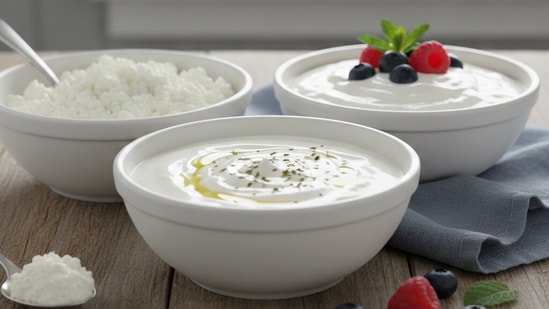
 Fitness coach Ralston D’Souza compared skyr, curd and Greek yoghurt to see which dairy packs the biggest nutritional punch. He noted that all three are gut‑friendly fermented milks, but they differ in protein density and how they’re made. (Made using Gemini AI)Nutritional breakdown of skyr, Greek yoghurt, curd
Fitness coach Ralston D’Souza broke down the nutritional profiles of these three popular dairy products in a January 14 Instagram post, helping health enthusiasts choose the source with the ‘most protein’.
According to Ralston, while all three options are excellent for gut health due to the fermentation process, their protein-to-calorie ratios vary significantly. He shared, “Curd has about 5 g of protein per 100 calories. Greek yoghurt gives you around 10 g of protein per 100 calories, and skyr provides around 12 g of protein per 100 calories.”
How are Greek yoghurt, curd or skyr different?
The variation in protein wasn’t just a marketing gimmick; Ralston shared that it came down to the production method and the intensity of the straining process. He said, “All three (curd, Greek yoghurt, skyr) are excellent for gut health and are made by fermenting milk. The main differences come from the bacterial cultures used and the amount of straining.”
He explained: “Greek yoghurt is made by using different bacterial strains than curd and is strained, which makes it thicker, more protein dense and gives a different taste and texture. Skyr is made using skim milk and similar bacterial strains to yoghurt, but it’s even more extensively strained than Greek yoghurt. Because of this, it’s lower in fat and slightly higher in protein. It’s even more creamier and thicker than Greek yoghurt.”
So, which one should you pick?
For those strictly focused on maximising protein intake while keeping calories and fat low, the verdict was clear – while curd remains a fantastic everyday option for digestion, those aiming for higher-level protein efficiency might want to reach for the Icelandic tub during their next grocery run. “Bottom line, all of these are great for your gut and provide high quality protein. But if you’re looking for the most protein, skyr wins,” Ralston said.
Digestion is a step‑by‑step relay that runs from the stomach all the way to the colon. Even though the system is intricate, everyday food choices still matter. By adding probiotic foods, choosing prebiotic‑rich ingredients, and rotating both soluble and insoluble fibre, you give your gut a steady helping hand. Click here to know more about foods that can quietly support digestion and help your gut work more efficiently over time.
Note to readers: This report is based on user-generated content from social media. HT.com has not independently verified the claims and does not endorse them.
This article is for informational purposes only and not a substitute for professional medical advice.