Dublin, Jan. 16, 2026 (GLOBE NEWSWIRE) — The “Infant Formula Ingredients Market – Global Forecast 2026-2032” has been added to ResearchAndMarkets.com’s offering.
The infant formula ingredients market is undergoing significant transformation as global manufacturers respond to evolving nutritional standards, compliance requirements, and changing consumer priorities. This dynamic landscape requires leaders to harmonize advanced formulations, robust operational models, and regulatory adherence.
Market Snapshot: Growth Opportunities in the Infant Formula Ingredients Market
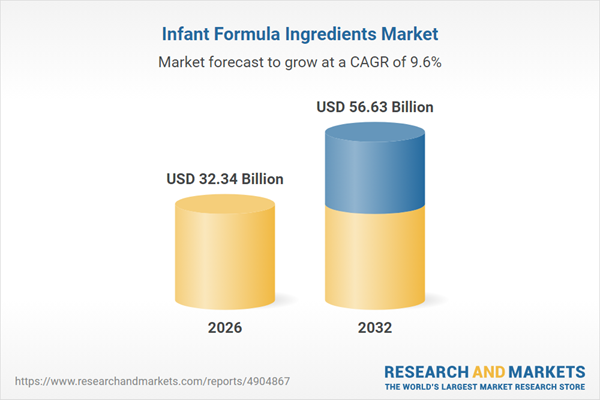
Between 2025 and 2032, the infant formula ingredients market will expand from USD 29.82 billion to USD 56.63 billion at a CAGR of 9.59%. Growth is driven by ingredient innovation, increased demand for clinically proven nutrition solutions, and tighter regulatory frameworks. As transparency and sustainability rise to the forefront, manufacturers are intensifying research and development, strengthening supply chain resilience, and setting new standards for allergen management and source integrity.
Scope & Segmentation: Critical Influencers and Regional Insights
This report delivers a comprehensive examination of the infant formula ingredients market, detailing the most relevant segments, technological advances, and geographic influences that shape strategic business decisions:
Protein Sources: Includes Cow Milk Protein, Goat Milk Protein, Extensive and Partial Protein Hydrolysates, and Soy Protein. Each option has direct implications for allergen management and custom product formulation.Form Factors: Encompasses Concentrated Liquid, Powder, and Ready To Drink formats; available packaging includes Pouch, Sachet, Tin, Bottle, and Tetra Pak, supporting operational flexibility across distribution models.Organic Status: Differentiates between Conventional and Organic products, with added focus on EU Organic and USDA Organic certifications. These distinctions drive supplier alignment and enhance premium brand visibility.Additives: Includes DHA ARA enrichment, Micronutrient Fortification, Prebiotic formulations (Fructo Oligosaccharide, Galacto Oligosaccharide), and Probiotic blends (Bifidobacterium, Lactobacillus), allowing brands to target various clinical and developmental requirements.Lactose Content: Segmentation addresses both Lactose Based and Lactose Free varieties to meet a range of digestive health needs and medical considerations.Regions: Covers the Americas, Europe, Middle East & Africa, and Asia-Pacific, analyzing compliance requirements, consumer trends, and supply chain distinctions that inform regional approaches.
Advancements in extraction technology, lipid structuring, and modern packaging platforms enable tailored solutions, supporting adaptation to local regulations and streamlining distribution strategies within each region.
Key Takeaways for Strategic Planning
Extraction and hydrolysis processes differentiate products by improving digestibility and allergen profile while offering added value through targeted cognitive development claims and supporting a premium positioning strategy.Global compliance requirements and rising consumer demand for traceable supply chains challenge businesses to elevate audit rigor and enhance transparency across sourcing and production.Organic certifications and scientifically proven additives open new opportunities for premiumization and strategic portfolio expansion, helping brands capture value in specialized segments.Proliferation of private label and startup activity requires nimble R&D approaches and rapid regulatory onboarding to accelerate new product launch cycles.Localized manufacturing capabilities and collaborative co-manufacturing models are increasingly relevant for adapting to the complexities of global trade environments and evolving compliance demands.
Why This Report Matters
Provides actionable insights for leadership to refine investment, development, and partnership strategies through targeted market and compliance analysis.Enables greater supply chain reliability by aligning procurement and quality management to regionally specific regulations and operational requirements.Equips senior executives with timely competitive intelligence and segment-level analyses to inform confident business decisions in the evolving infant formula ingredients sector.
Key Attributes:
Report AttributeDetailsNo. of Pages189Forecast Period2026 – 2032Estimated Market Value (USD) in 2026$32.34 BillionForecasted Market Value (USD) by 2032$56.63 BillionCompound Annual Growth Rate9.5%Regions CoveredGlobal
Companies Featured
The key companies profiled in this Infant Formula Ingredients market report include:
ABITEC CorporationArcher-Daniels-Midland CompanyArla Foods ambaBASF SEBunge LimitedCargill, IncorporatedDuPont de Nemours, Inc.FMC CorporationFonterra Co-operative Group LimitedGlanbia plcGlycosyn LLCIngredion IncorporatedKerry Group plcLonza Group Ltd.Roquette FreresRoyal DSM N.V.Symrise AGTate & Lyle PLC
For more information about this report visit https://www.researchandmarkets.com/r/9bsy51
About ResearchAndMarkets.com
ResearchAndMarkets.com is the world’s leading source for international market research reports and market data. We provide you with the latest data on international and regional markets, key industries, the top companies, new products and the latest trends.
Infant Formula Ingredients Market