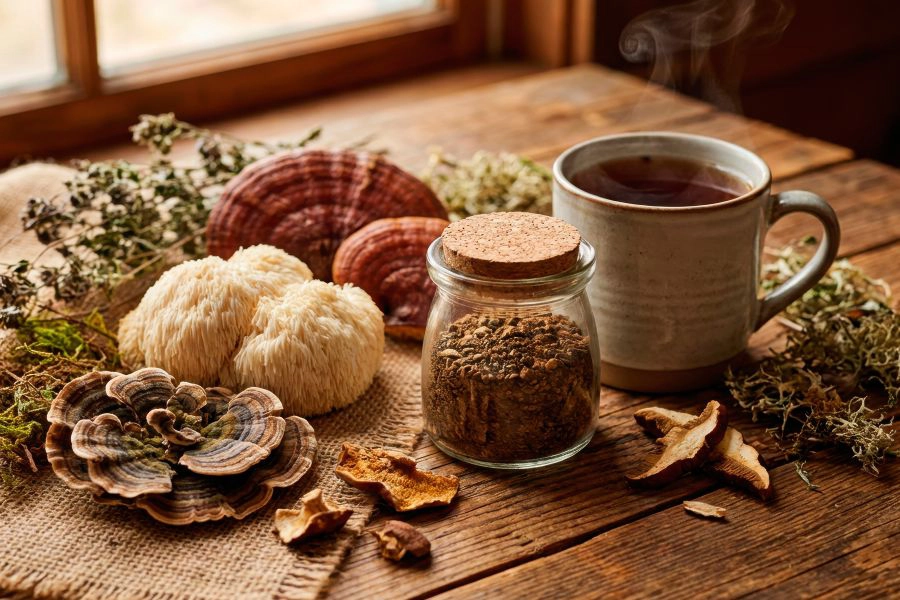
Emerging research on mushrooms is reframing nutraceutical interventions to support the immune system — not only during illness, but in healthy individuals.
Nutrition Insight speaks with Fungi Perfecti about the science behind mushrooms like agarikon, turkey tail, and lion’s mane, which help maintain immune balance without overstimulation.
The discussion explores how preclinical studies on human cells are shaping understanding of long-term immune resilience, alongside challenges in translating research into everyday nutrition advice.
Meanwhile, US mycologist and founder of Host Defense Mushrooms, Paul Stamets, weighs in on growing skepticism around mushroom-based supplements, arguing that online iodine-starch tests are spreading misinformation. He calls for greater reliance on clinically substantiated evidence.
Core science and definitions
Many immunity conversations focus on fighting illness. However, for those already healthy, terms like “supporting” or “priming” the immune system remain ambiguous.
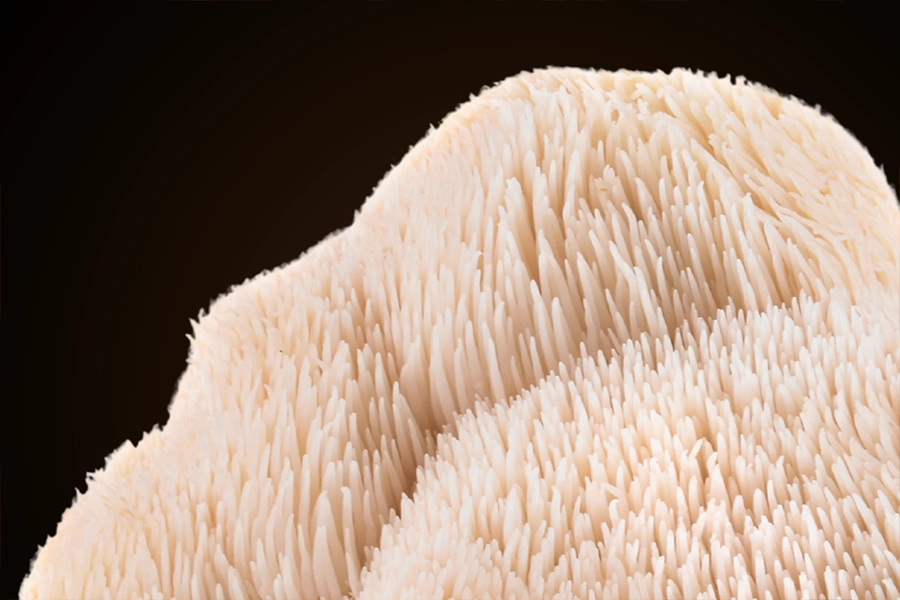 Lion’s mane has been studied for its effects on immune signaling in human immune cells, with research exploring its role in supporting regulated immune responses under stress.Chase Beathard, associate director of R&D at Fungi Perfecti, explains that these terms point to preventing the immune system from becoming more aggressive without constantly triggering it. “The immune system is highly complex, and maintaining the right balance is critical.”
Such terminology also aligns with regulatory limits on how immune-related benefits of foods and supplements can be described.
“A helpful way to think about it is like a muscle — it doesn’t benefit from being clenched all the time, but it does benefit from regular, moderate exercise. Small, controlled signals can help keep the immune system alert and responsive, so it’s better prepared when a real-world challenge arises.”
This involves supporting innate immune pathways and maintaining effective immune signaling while avoiding an overactive immune response, adds Beathard. The immune system has a “Goldilocks zone” where it is supported, ready, and not overstimulated.
Safe immune support
The Functional Mushroom Council’s study of Fungi Perfecti’s agarikon and turkey tail capsules found that they have a beneficial effect on several immune and cancer-related pathways. Study participants taking the supplements had consistent support for healthy immune response over six months.
The council has also found M2’s Reishi 102 helped “wake up” key immune cells, which readies the immune system to be alert.
In terms of fungi safety, Beathard states that Fungi Perfecti’s preclinical research on human immune cells in vitro regularly assesses cell health through viability or cytotoxicity at various concentration ranges.
He mentions that previous testing with Project Bioshield revealed that agarikon extracts at various concentrations were not cytotoxic. “Regarding more complex biological systems, agarikon was recently used in two separate Phase I/II clinical trials approved by the US FDA to evaluate its safety and feasibility.”
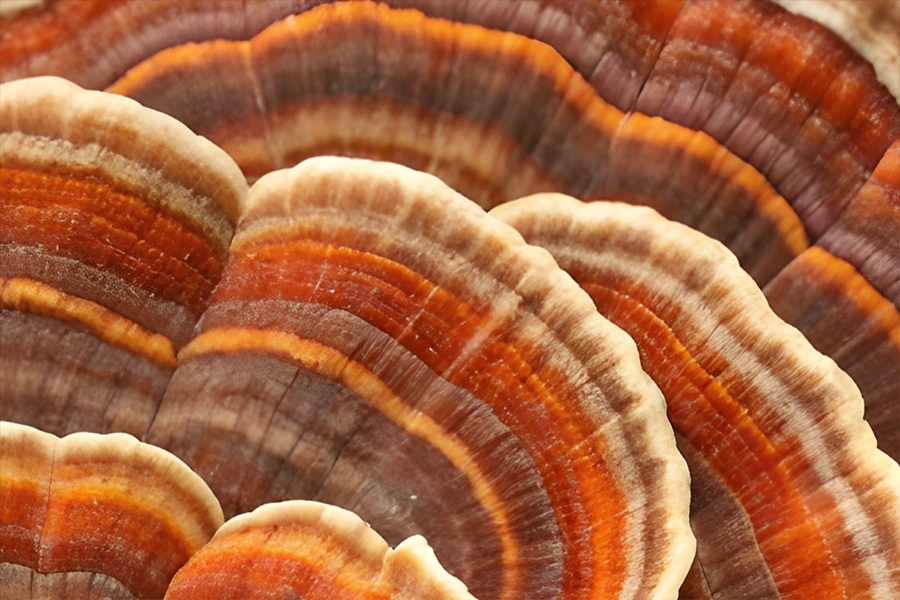 Turkey tail is widely researched for its bioactive polysaccharides and long history of use in immune-focused formulations.“One study has been published as a preprint and is undergoing peer review, while the other manuscript is in preparation. In both cases, the studied amounts of agarikon were well tolerated by participants.”
Research limitations
According to Beathard, not all immune activation is inherently favorable, so researchers focus on how immune cells respond, particularly in stressful situations, rather than simply whether they react. “The key distinction between true immune resilience and simple immune activation lies in context and outcome.”
Well-designed research assesses immune activity through various complementary layers, including gene activity patterns, immune signaling proteins, functional immune behavior, and overall cell health, under healthy and stressed conditions, he explains.
“For example, in a recent study, lion’s mane mycelium initially showed immune engagement at the gene level across multiple human immune cell types.” However, researchers went further by measuring key immune signaling proteins and ensured immune cells remained healthy under pressure.
“Across these models, immune cells not only remained well regulated under stress but also maintained healthy cellular activity — supporting functional resilience rather than overactivation,” notes Beathard.
He adds that such kinds of tests reveal a deeper picture of immune resilience beyond immune stimulation. Although further testing is required, the findings align with other mycelium research, with a “calm under challenge” pattern when the supplements were integrated into lifestyles.
How to close the research gap
According to Beathard, gaps still exist in translating research on mushrooms into everyday nutrition advice.
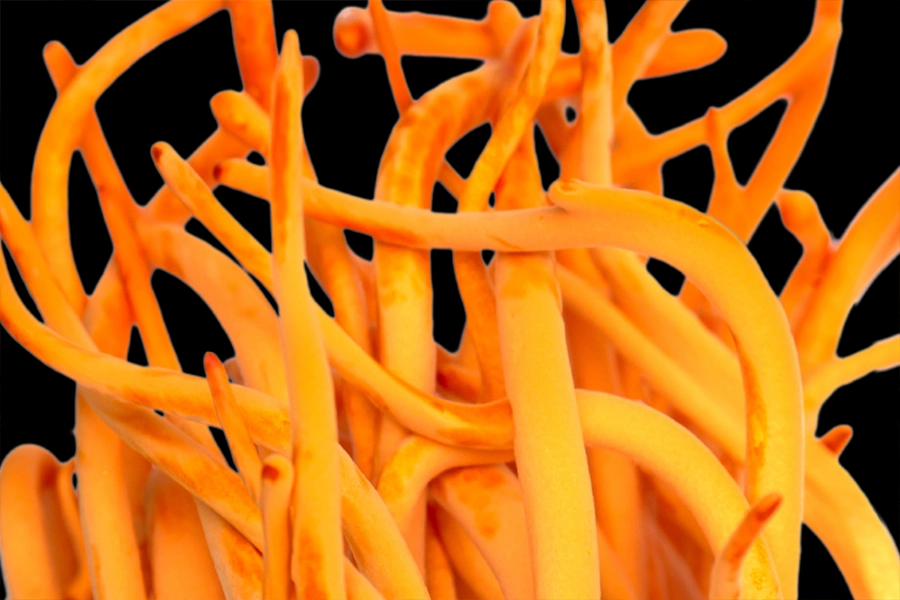 Cordyceps are being studied for their influence on immune and metabolic pathways, particularly in the context of stress and endurance.He believes that preclinical research is important for understanding how mushroom-derived ingredients may support human health. They are also accessible, scalable, and cost-effective.
However, preclinical models do not replicate human biology. “For that reason, clinical substantiation remains the gold standard for translating research into everyday nutrition advice and for supporting responsible product claims.”
“One challenge in this space is the diversity of mushrooms and mushroom products. Roughly 20 species are commonly used in supplements, with many more consumed as foods. Beyond species and strain differences, products may be derived from fruiting bodies, mycelium, or full-spectrum preparations and employ a wide range of cultivation and extraction methods,” details Beathard.
This variation makes clinical testing across product formats impractical. Beathard calls for a layered research approach where preclinical insights, targeted clinical studies, and emerging knowledge of mushroom-based ingredients in long-term diets are integrated.
Skepticism and market confusion
Beathard states that mycelium-based natural products are emerging with real impacts on the immune function. “Rather than simply ‘boosting’ immunity, routine exposure may help prime the immune system, so host defenses remain responsive and balanced over time.”
“When people hear the term immune modulation, it can sound abstract, but this concept was clearly illustrated in a recent preclinical publication. Lion’s mane mycelium activated innate immune responses in healthy human immune cells, yet when those same cells were placed under immune stress, the mycelium supported a more regulated, calmed response.”
“This dual action captures what immunomodulation is intended to achieve. It suggests that immune resilience may be less about short-term interventions and more about sustained dietary routines that help the immune system adapt appropriately to different challenges,” explains Beathard.
He notes that clinical researchers are actively finding ways to support immune balance in this way. However, there has historically been skepticism against mushroom mycelium products in conventional clinical research settings.
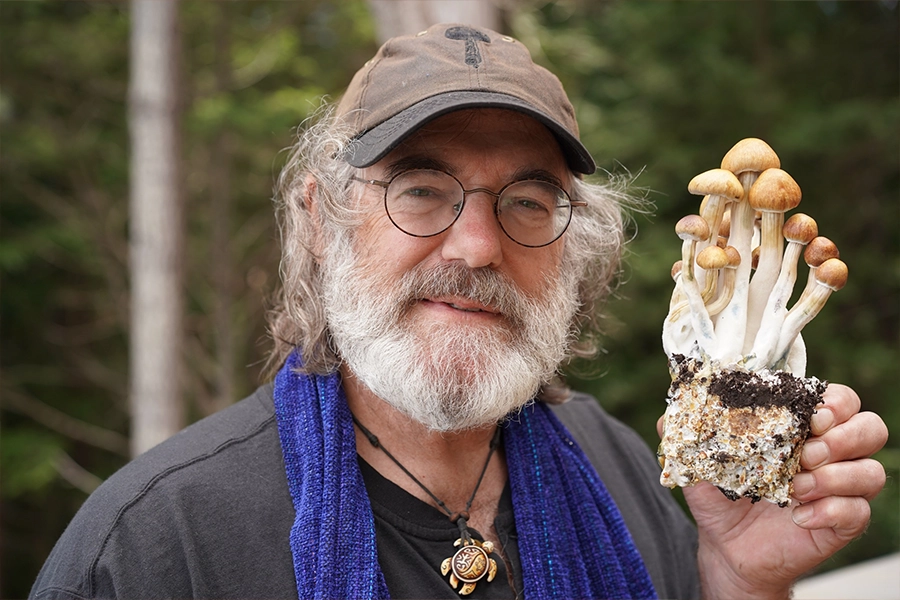 Founder of Host Defense Mushrooms, Paul Stamets (Image credit: Pamela Kryskow).“We’re encouraged to see that research in this area is advancing, as it continues to shed light on what long-term dietary inclusion of mushroom mycelium may offer in supporting healthy immune function.”
He adds: “Amid growing access to GLP-1s, particularly in the US, the food and nutrition industries are exploring how to develop or adapt products tailored to the medication users.”
Misinformation and testing practices
Host Defense Mushroom’s Stamets tells us that the iodine-starch test misrepresents the quality of products containing mushrooms grown on grain. This test analyzes whether a fungi product contains starch, which indicates that it has no value.
He points to online videos where various mushroom products react positively to the test by turning iodine bluish purple.
However, Stamets states: “This test is not specific: it cannot distinguish residual grain starch from naturally occurring fungal polysaccharides, nor can it provide meaningful insight into the composition or biological relevance of a finished ingredient.”
“This test is currently being shown to distributors and consumers to undermine companies that sell myco-fermented products. In my opinion, the iodine test is part of a misinformation campaign, purposely misleading consumers.”
He advises people to follow science, scientists, and companies publishing clinical studies in peer-reviewed journals.