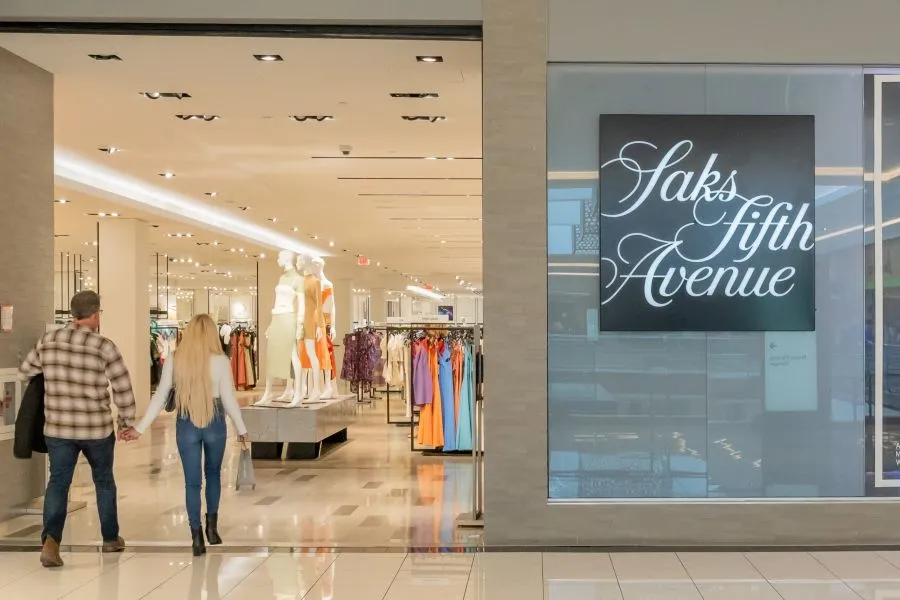
Saks Global owes major beauty companies millions after filing for bankruptcy. Chanel, Kering, Estée Lauder Companies (ELC), Beiersdorf, Puig, LVMH, and Europerfumes are named in the voluntary Chapter 11 bankruptcy filed this month.
The court filings list over 10,000 creditors, with the top 30 unsecured claims totaling roughly US$700 million. Chanel is the largest unsecured creditor at approximately US$136 million, followed by Kering (~US$60 million) and LVMH (~US$26 million). Other beauty giants owed significant sums are Beiersdorf (~US$22 million), Europerfumes (~US$17 million), ELC (~US$16 million), and Puig (~US$12 million).
However, the companies are mostly unsecured creditor claims, meaning brands are low on the repayment priority list. Many may not recover the full amounts owed.
Saks Global owns department stores Saks Fifth Avenue, Neiman Marcus, Bergdorf Goodman, Saks OFF 5TH, Last Call, and Horchow — all of which will continue trading during the bankruptcy proceedings. The luxury group has secured US$1.75 billion in new financing as it attempts to stabilize operations, but faces pressure from vendors and investors.
In a statement, Saks Global says it is “evaluating its operational footprint to invest resources where it has the greatest long-term growth potential.”
The company explains that its moves “reflect an effort to focus the business in areas where the company’s luxury retail brands are best positioned for sustainable growth.”
Strategic missteps?
The Chapter 11 filing followed mounting debt and liquidity problems linked to a leveraged acquisition of Neiman Marcus and declining store traffic. Saks Global’s total debt is reported at approximately US$3.4 billion.
Saks’ parent company, HBC, acquired Neiman Marcus and Bergdorf Goodman for US$2.6 billion, funding the deal with US$2.2 billion in debt. The acquisition led to the formation of Saks Global, but put Saks under financial strain. 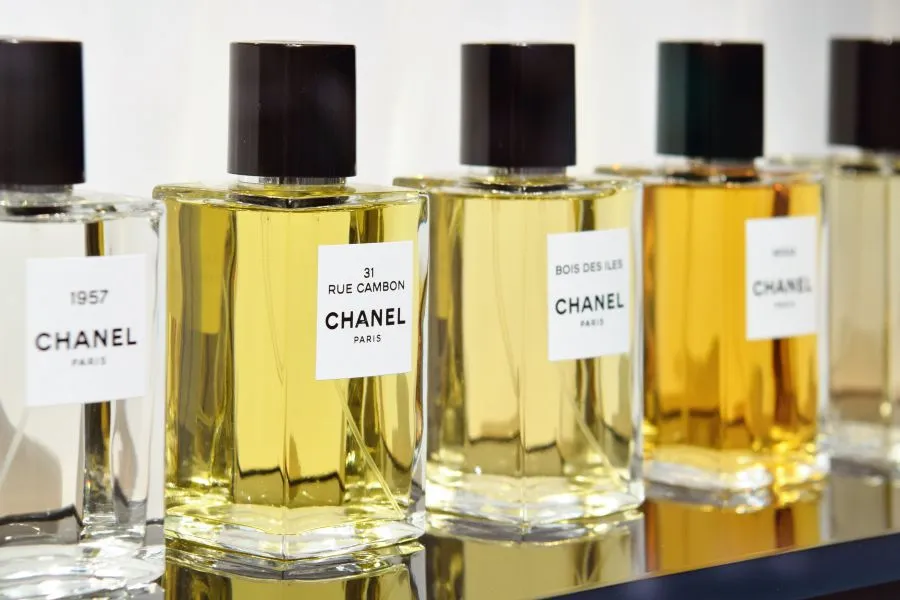 Chanel and LVMH are among the creditors owed by Saks Global.
Saks is not the only retailer that has experienced financial pressures in recent years. More and more consumers are shifting to online shopping, and brands are increasingly aiding this venture by offering a direct-to-consumer approach, instead of relying on retail space.
While luxury department stores have historically anchored prestige beauty distribution, that model has been weakening for years due to declining foot traffic and shifting consumer behavior.
Saks’ struggles reflect structural issues rather than a one-off crisis — brands have been reassessing reliance on big wholesale partners before the bankruptcy.
The digitalization of shopping
Many luxury beauty brands are accelerating their direct-to-consumer efforts, enabling them to better control a consumer’s experience, build data assets, and reduce wholesale dependency. A significant reason for this shift is the digitalization of shopping.
Large online platforms, such as Amazon, are increasingly attracting prestige brands, like ELC. This move allows consumers to access luxury items that were previously only available in brick-and-mortar stores.
Major beauty retailers have adapted their digital strategies to cater to this evolving landscape. For example, Sephora launched a creator-powered affiliate online platform allowing US social media influencers to build shoppable digital storefronts. The move was designed to meet consumers where they were — buying online and through influencer recommendations.
Consumers now desire a different shopping experience from what traditional luxury retailers provide, with younger generations driving this shift even further.  The rise of digital shopping puts traditional luxury retailers like Saks under pressure.
Sampo Parkkinen, CEO of digital beauty platform Revieve, previously told Personal Care Insights, “Gen Z does not just purchase products — they invest in experiences, values, and innovation.” He said that brands that fail to recognize this shift risk falling behind.
Additionally, Kyra’s State of Beauty 2024/25 report found that Gen Z is more inclined to experiment with new brands and products than maintain loyalty — particularly influenced by social media.
A recent report by Fresha echoed Kyra’s findings, revealing that beauty buyers are prioritizing product performance over premium beauty brand names.