The discovery of a key mechanism that helps the body turn off inflammation could be a breakthrough that results in the development of novel therapies for various chronic diseases. Details of the mechanism are published in a Nature Communications paper titled “Epoxy-Oxylipins Direct Monocyte Fate in Inflammatory Resolution in Humans.”
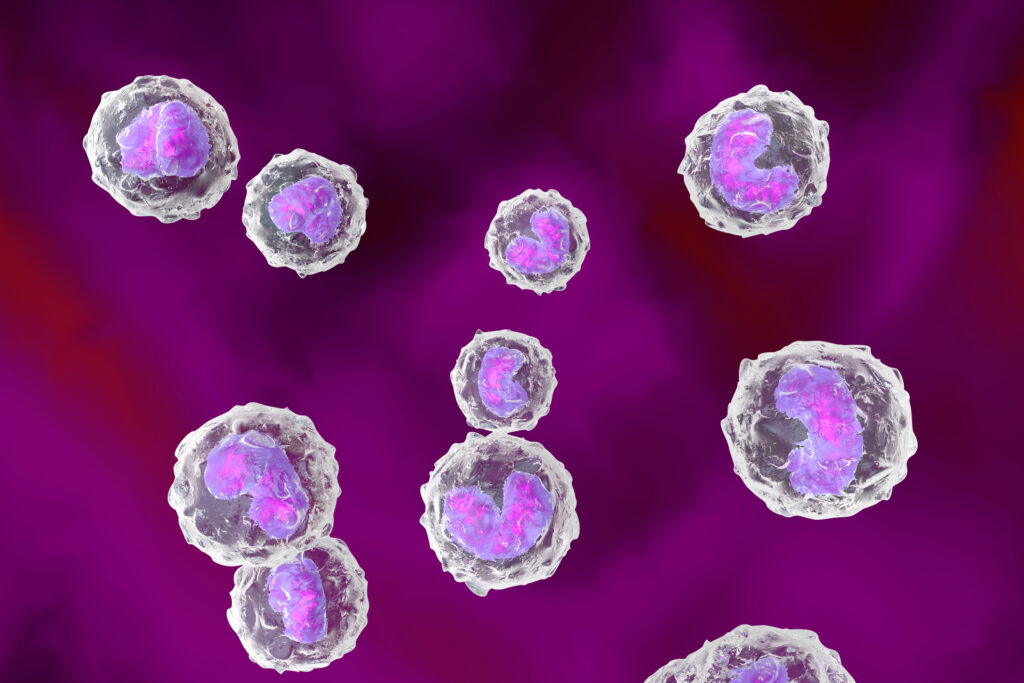
The study, which was led by scientists at University College London (UCL), focuses on tiny fat-derived molecules called epoxy-oxylipins that act as natural brakes on the immune system. Specifically, these molecules work to prevent the overgrowth of a type of immune cell, dubbed intermediate monocytes, that can cause chronic inflammation. Inflammation is part of the body’s defense against infection and injury, but when it fails to turn off, it can result in conditions such as arthritis, heart disease, and diabetes.
“Our findings reveal a natural pathway that limits harmful immune cell expansion and helps calm inflammation more quickly,” said Olivia Bracken, PhD, the study’s first author and a postdoctoral researcher in UCL’s department of aging, rheumatology, and regenerative medicine. “Targeting this mechanism could lead to safer treatments that restore immune balance without suppressing overall immunity.”
Digging into the details of the study, the scientists recruited healthy human volunteers who were assigned to either a prophylactic arm or a therapeutic arm. Each volunteer received a tiny injection of UV-killed Escherichia coli into their forearm that triggered a brief inflammatory reaction similar to what happens after an infection or injury. Participants were then given GSK2256294, a drug that blocks an enzyme known as soluble epoxide hydrolase (sEH), which naturally breaks down epoxy-oxylipins. Both arms of the study had 24 participants, and in each case, 12 patients were treated with the drug while 12 were untreated.
Patients in the prophylactic arm received the drug two hours before inflammation began to see if boosting the epoxy-oxylipins could prevent harmful immune changes. Patients in the therapeutic arm received the drug four hours after inflammation started, which is more typical of people’s real-world experience.
Both approaches revealed that blocking sEH with the drug raised epoxy-oxylipin levels, accelerated pain resolution, and reduced the levels of intermediate monocytes—immune cells that help fight infection and repair tissue and are linked to chronic inflammation. They also found that the drug did not significantly improve external symptoms like redness and swelling. Further testing revealed the exact mechanism by which this process happens. Specifically, the scientists found that a particular epoxy-oxilipin, dubbed 12,13-EpOME, shuts down the p38 MAPK protein signal, which drives monocyte transformation. This finding was confirmed using lab experiments and in results from a group of volunteers that received a p38-blocking drug.
The impetus for this study was based on findings from animal research that epoxy-oxylipins seemed able to reduce inflammation and pain. However, they are understudied in humans compared to other inflammatory mediators such as histamines and cytokines. “With chronic inflammation ranked as a major global health threat, this discovery opens a promising avenue for new therapies,” Bracken said. For example, “rheumatoid arthritis is a condition in which the immune system attacks the cells that line your joints. sEH inhibitors could be trialled alongside existing medications to investigate if they can help prevent or slow down joint damage incurred by the condition.”