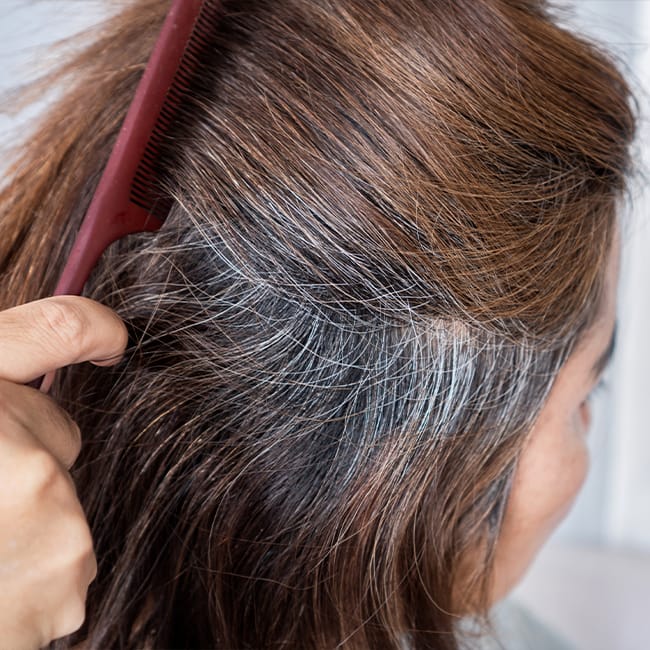
Noticing gray hairs earlier than expected can feel unsettling, but the truth is that premature graying is both normal and natural. Genetics play a major role in when and how our hair loses pigment, and for many people, silver strands show up long before they anticipated. Still, while you can’t completely override your DNA, experts agree that overall health—including what you eat—can influence how your hair ages. A nutrient-poor diet, chronic stress, and certain deficiencies may speed up the graying process, making lifestyle choices an important piece of the puzzle.
That said, no single food or supplement can magically stop gray hair in its tracks. Instead, a supportive diet can help create the conditions for healthier, more resilient hair over time. Board-certified dermatologist Dr. Dray explains that certain vitamins and minerals are especially important for maintaining hair pigment and follicle health, and that one everyday lifestyle habit is just as crucial.
By keeping these nutrients and habits on your radar, you may be able to slow down premature graying and support healthier hair from the inside out.

Struggling With Sleep? This Rechargeable Sound Machine Is A Total Game-Changer

Shutterstock
1. Vitamin B12
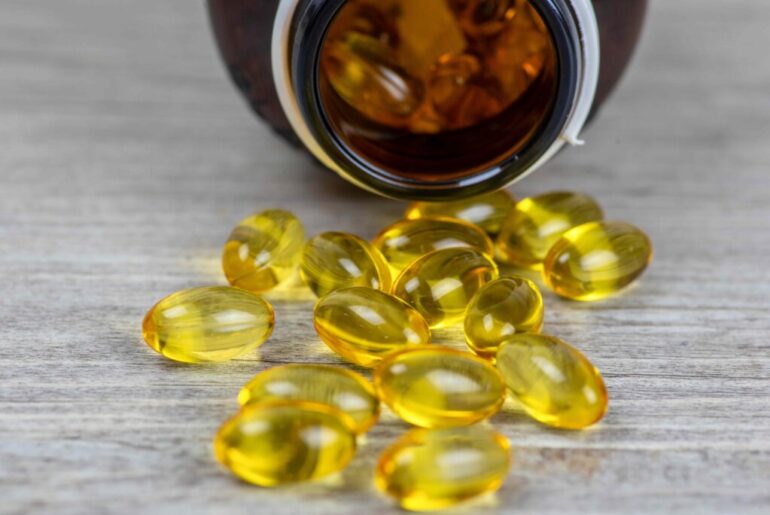
Vitamin B12 plays a key role in red blood cell formation and nerve function, but it’s also essential for healthy hair pigmentation. Low B12 levels have been linked to premature graying because this vitamin helps support the cells responsible for producing melanin, the pigment that gives hair its color. When B12 is deficient, hair follicles may struggle to maintain normal pigment production. Ensuring adequate intake—through foods like eggs, dairy, meat, and fortified products, or supplements when needed—can help support hair health and potentially slow the onset of early gray strands, especially in people who are prone to deficiency.
Shutterstock
2. Multivitamins
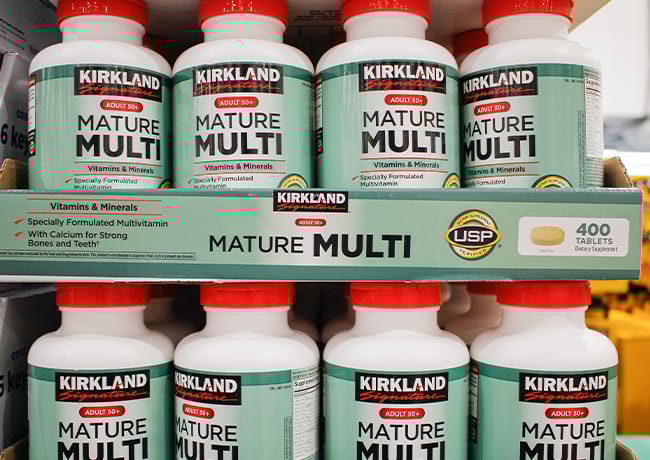
A quality multivitamin can help prevent nutrient gaps that may contribute to premature graying, particularly if your diet is inconsistent or restrictive. Hair pigment production relies on a combination of vitamins and minerals—including B vitamins, iron, copper, zinc, and vitamin D—and falling short in even one area can affect hair health over time. While multivitamins won’t reverse gray hair or override genetics, they can provide a helpful nutritional safety net that supports overall follicle function and may reduce the risk of graying linked to deficiencies.

Shutterstock
3. Not Smoking Cigarettes
Smoking is one of the most consistently linked lifestyle factors associated with premature gray hair. Cigarettes increase oxidative stress in the body, which can damage hair follicles and accelerate the breakdown of melanin-producing cells. Research has shown that smokers are significantly more likely to experience early graying compared to non-smokers. By not smoking—or by quitting—you reduce oxidative damage, improve circulation to the scalp, and create a healthier environment for hair follicles to maintain their pigment for longer.