vyv (pronounced v-eye-v) provides continued support for energy, mood, cognition and stress as life shifts. These shifts include life stages like fertility planning, pregnancy and postpartum, as well as everyday stress, sleep challenges and cycle-related changes—each requiring targeted nutrients like folic acid, DHA and iron.
“Women are the driving force behind the vitamin and supplement category, and especially Gen Z, who are actively thinking long-term about their health,” said Jason Brown, CEO and co-founder of Persona and vyv, in a release. “What we saw was a new generation looking for something that felt more authentic, more adaptable and more aligned with how they live.”
The company stripped away jargon and simplified personalization to build a brand with new formats, new solutions and meaningful partnerships to expand personalized wellness, Brown added.
What Persona has learned is that across millions of data points from personalization quizzes and customer goals, the same themes show up: Women want steadier energy, sharper focus, better sleep, resilience and to look as good as they feel.
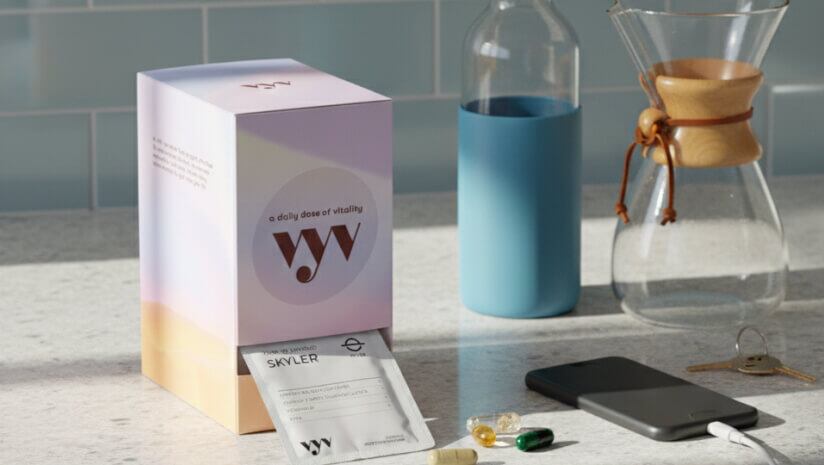 The brand additionally gives women access to nutrition experts. (@ vyv)
vyv is available at vyvnutrition.com, with subscriptions starting at around $3 a day. The vyv app can also be downloaded from the Apple App Store and Google Play.
Women take a short, self-guided quiz that is not designed to be clinical. They answer questions about lifestyle, habits and goals, and an adaptive algorithm translates that into a personalized vitamin routine.
Behind that algorithm is human expertise. Persona’s research by a multidisciplinary team, including doctors, pharmacists, registered dietitians and nutritionists, helps shape the recommendations and review products and claims.
The brand also provides women access to nutrition experts—registered dietitians and nutritionists who can help answer questions and adjust routines. Conversational assessments help curate custom a.m. and p.m. packs with vitamins, minerals, herbs and targeted nutrients tailored to Gen Zers and millennials. Transparent labels, high-quality ingredients and streamlined packaging cut down on bottle overload, so supplements easily fit into a routine, the company said.
Beyond personalized packs, vyv offers add-ons from partners, including Thorne’s creatine and Complete Biotic powders.
“We created vyv to meet women exactly where they are, especially during the most dynamic chapters of life,” said Brandi Cole, PharmD, vice president of science and nutrition, and a founding member of vyv. “Our goal was to make nutrition feel empowering and clear.”
No lack of options
vyv was born from Persona, a company that has helped people closer to midlife address nutrient gaps. Persona learned that younger women wanted the same science-backed credibility but without a process that felt clinical or overwhelming, Cole said.
She added that the challenge for Gen Zers and younger millennials is not lack of options but rather an abundance of choices with little guidance.
“Everything claims to be essential, so it becomes hard to choose anything with confidence,” Cole told NutraIngredients. “vyv cuts through that noise by replacing hours of scrolling and trend chasing with a curated routine built around her goals, habits and lifestyle.”
Hormones are also dynamic across the entire reproductive lifespan, not just during perimenopause. Even for Gen Z, there are predictable monthly shifts across the menstrual cycle, and many women also experience bigger swings tied to lifestyle and life transitions, like contraception changes, fertility planning and common hormone patterns such as PCOS.
“When we talk about ‘hormones’ for Gen Z, we’re talking about the normal monthly rhythm plus any real-world factors that can turn the volume up: inconsistent sleep or late nights, high stress, intense training without enough recovery and busy-day eating that’s light on nutrient dense foods,” Cole said. “In other words, the shifts are just as real for this age group. They just show up differently as cycle driven changes plus lifestyle driven fluctuations.”