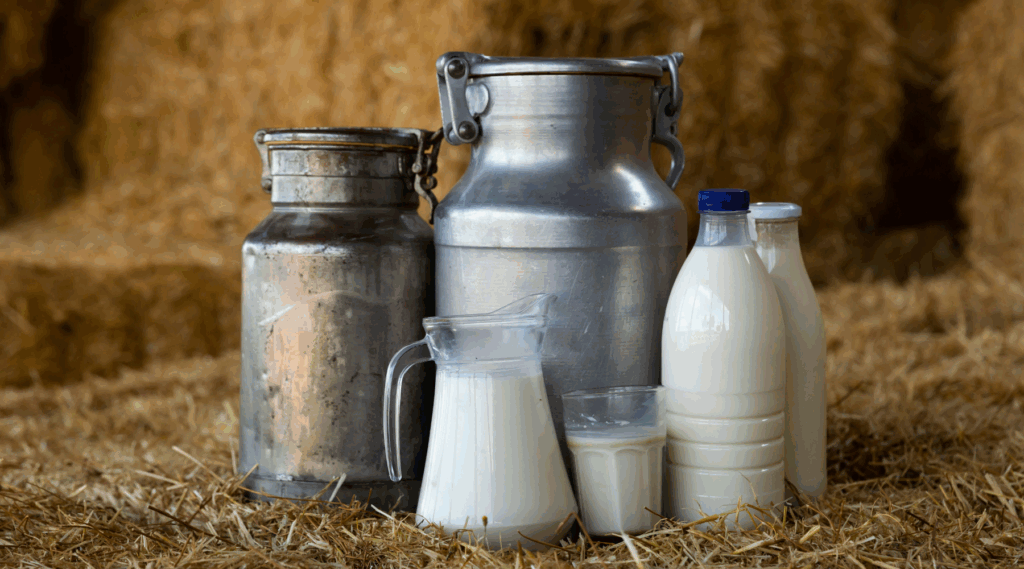
GREENWICH, N.Y. — Most kids have a carton of milk with their lunch at school every day. This is not a new thing, as the majority of us grew up drinking milk at school. The difference is that, for the last 14 years, kids have not had access to whole milk in schools, only low-fat (1% or fat-free).
Over time, changing dietary guidelines and growing concern over fat intake have shifted the tradition of drinking whole milk in schools. Federal nutrition standards tightened, whole milk disappeared from cafeterias, and schools were limited to low-fat and fat-free options. The change sparked years of debate over student consumption, food waste, and whether nutrition policy was aligning with real-world eating habits.
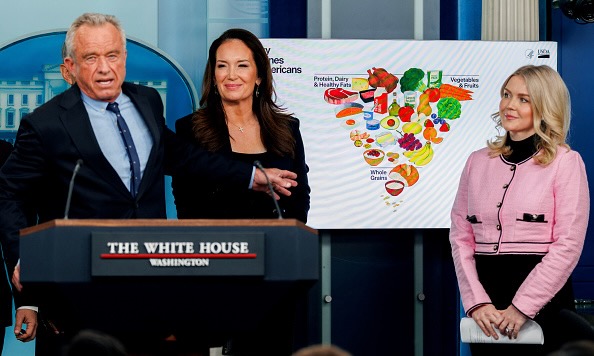
Now, the story has come full circle. On January 14, 2026, legislation signed by President Donald Trump officially allowed whole milk back into schools, with USDA implementation beginning immediately. To understand why this change matters, it helps to look at how milk first made its way into schools, why whole milk was removed, and what its return signals about the evolving priorities of school nutrition in America.
Milk Becomes Standard in School Meals (1940s)
In the early 1900s, there were lots of local efforts to include milk in schools. A prime example is in 1914, when a Pinellas County (Florida) health officer started a program that gave students a half pint of milk each day. The program was a huge success. Programs like these led the way to Congress passing the National School Lunch Act in 1946. This act created the National School Lunch Program (NSLP) as a permanent federal initiative. The program was designed to safeguard the health of the nation’s children while supporting American agriculture by providing a steady outlet for farm products.
Milk quickly emerged as a natural fit for this new program, with whole milk taking center stage. Nutrition experts of the era viewed milk as an essential food for growing children. Milk has protein, calcium, vitamins, and calories that children need to be healthy. At the time, childhood malnutrition was a very serious concern, and milk was a solution to this problem. Advances in refrigeration and distribution made it easier for schools to store and serve milk safely, allowing it to become a consistent feature on lunch trays across the country.
As the National School Lunch Program expanded nationwide, milk became a standard component of the federally supported school meal. By the end of the 1940s, milk was no longer just a beverage option in some schools; it was an expected and familiar part of the American school lunch experience.
The Special Milk Program: Reaching More Children (1950s)
While the National School Lunch Program helped establish milk as a staple at lunchtime, policymakers soon recognized that many children still lacked access to milk during the school day if they were not a part of the Federal child nutrition meal service programs. In response, Congress created the Special Milk Program in 1954, expanding federal support beyond the traditional lunchroom.
Rather than reimbursing schools for complete lunches, the program provided financial assistance specifically for milk served in schools, childcare institutions, and nonprofit programs. This made it possible for students to receive milk during snack times, in half-day kindergarten programs, or in schools that did not yet participate in the National School Lunch or Breakfast Programs.
Through the Special Milk Program, milk became even more deeply woven into daily school routines. It reinforced the idea that milk was not just a lunchtime beverage, but an essential nutritional building block for growing children throughout the day. By the mid-20th century, federal policy had firmly positioned milk as a cornerstone of child nutrition in American schools.
Why Whole Milk Was Phased Out
Whole milk was in schools across the nation as the primary option for kids for many years until nutrition guidelines started to take a turn in the early 21st century. As research increasingly linked high saturated fat intake to heart disease risk, federal nutrition policy began to shift away from full-fat foods and toward lower-fat alternatives, especially in government-funded meal programs.
That shift reached school cafeterias in the early 2010s. Updated Dietary Guidelines for Americans emphasized limiting saturated fat, and those recommendations were incorporated into USDA school meal standards under the Healthy, Hunger-Free Kids Act. To comply with the new rules, schools were required to meet strict weekly limits on calories and saturated fat across their menus. As a result, whole milk and eventually 2% milk were removed from the list of allowable options, leaving schools to offer only fat-free or 1% low-fat milk. The official shift was completed in 2012.
The change was rooted in public health goals, but it also marked a clear break from decades of tradition. For the first time, the milk served in schools no longer resembled what many families kept in their refrigerators at home. While policymakers viewed the move as a step toward healthier eating patterns, it set the stage for ongoing debate about student acceptance, milk consumption, and whether nutrition standards were fully aligned with real-world cafeteria behavior.
Whole Milk Returns in 2026
As the years passed following the removal of whole milk from school cafeterias, criticism of the policy continued to grow. School nutrition professionals, dairy organizations, farmers, and some lawmakers began to question whether the one-size-fits-all approach to milk fat truly served students’ needs. Now, 14 years later, President Donald Trump has signed legislation allowing whole milk to return to America’s schools.
The Whole Milk for Healthy Kids Act of 2025 restores whole milk and reduced-fat (2%) milk as allowable choices in federally supported school meal programs. This gives schools better flexibility in how they meet nutrition requirements. Supporters emphasized that the change does not eliminate low-fat options, but instead expands the menu so schools can offer a wider range of milk choices to students.
Equally significant was the speed of the rollout. The U.S. Department of Agriculture announced that implementation would begin immediately, signaling that schools could move quickly to adjust menus, contracts, and purchasing decisions. For many districts, the announcement represented both a symbolic and practical shift, bringing back a familiar cafeteria staple while reopening long-standing conversations about nutrition, choice, and student participation in school meal programs.
What Happens Next?
With whole milk officially back on the menu, attention now turns from policy to practice. Everyone will be watching closely to see how the change plays out in cafeterias across the country. One of the most immediate measures will be student participation and consumption. Will students choose to drink the whole milk and 2% options, and will milk waste decline?
Nutrition outcomes will also remain part of the conversation. Supporters of the change argue that increased milk consumption may lead to higher overall intake of key nutrients such as calcium, protein, and vitamin D, while critics continue to monitor saturated fat levels within school meals. How schools balance expanded milk options with existing nutrition standards will be a key indicator of the policy’s long-term success.
The Evolving History of Whole Milk in Schools
The history of milk in American schools highlights how nutrition policy evolves alongside changing science, public health goals, and social expectations. From its early role in addressing childhood undernutrition to later efforts to align school meals with dietary guidance, milk has remained a constant presence even as the rules surrounding it have changed.
The return of whole milk marks another chapter in that ongoing evolution. As schools implement the updated policy, its effects will be assessed through participation rates, consumption patterns, and nutrition outcomes. These results will help inform future decisions about how school meal standards are shaped and adjusted over time.
Ultimately, the school milk story illustrates the challenge of creating nationwide nutrition policies that serve diverse communities and changing needs. The reintroduction of whole milk does not close the debate. It reinforces that school food policy is a dynamic process, continually refined as new evidence, experiences, and priorities emerge.
-Lila Nolan