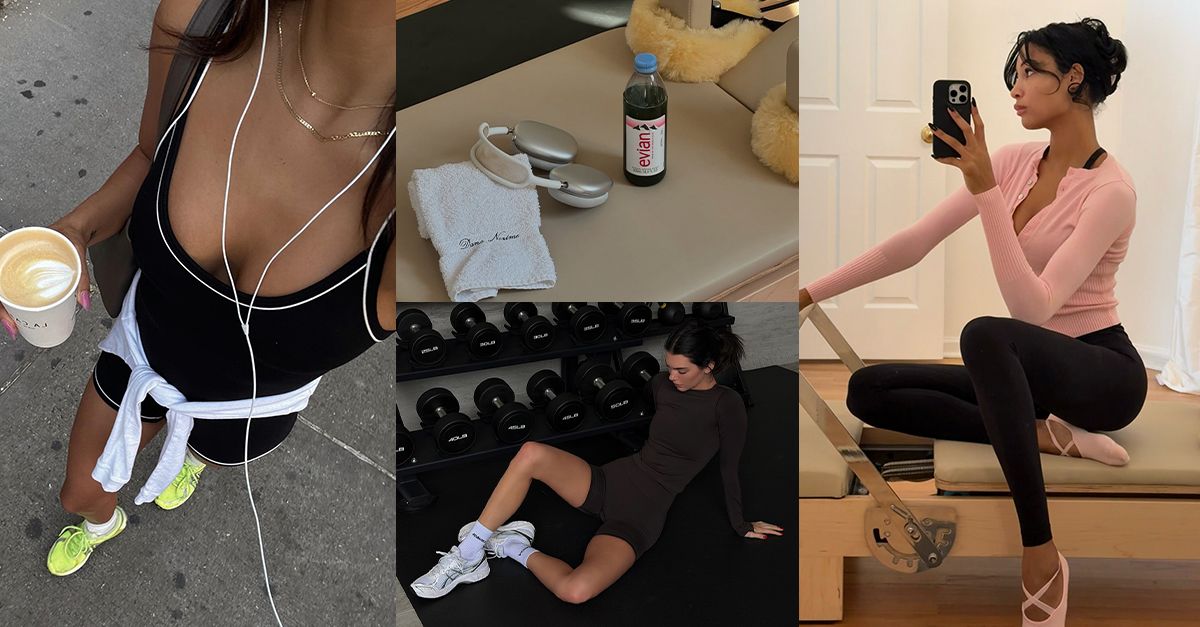
The wellness industry is full of well-meaning, yet often conflicting (even inaccurate) advice. I’ve been reporting on it for years, so I’ve seen my fair share of trends come and go…and come back again. And as I reflect on a few of the most basic diet and exercise trends from the past 10 years, I can’t help but feel like we’ve been put through the paces. In such an ever-changing industry, does anyone know where we’ve found ourselves in this moment in time? What wellness trends will dominate and define the coming year? Most importantly, which ones are *actually* worth investing in?
To answer these questions, I turned to the experts—seven to be exact! I asked these doctors, nutritionists, dermatologists, and brand founders to cut through the (very loud) noise and predict the most significant wellness trends of 2026. And they did. Ahead, see all 10. Some, like cycle syncing, are somewhat familiar. Others, like “snack-sized workouts” and cellular efficiency, are new. Overall, though, the theme is clear—we’re taking a holistic, science-centered approach.
Take it from Krysha Mallari, Board-Certified Nurse Practitioner & Functional Health Expert at Body+Beauty Lab. “Wellness in 2026 is moving away from quick fixes and trends toward a more intentional, personalized approach to health. […] Patients are becoming more informed and more cautious about where they get their health information and treatments. Practices that prioritize safety, individualized care, and long-term optimization rather than generic solutions will continue to stand out and deliver the most meaningful results.”
You may like
Zulia Frost, MD, is the co-founder and Clinical Director of Recharge Health. She says we’re turning away from unsubstantiated “detox” protocols, extreme cleanses, and other dramatic claims. (Anyone remember the various “detox” juices that ruled the mid-2000s? Yeah, no thanks.) In 2026, there will be a newfound focus on fostering holistic gut health. “Trends such as ‘fibermaxxing,’ fermentation, and products designed to support the microbiome are gaining serious traction,” she says. “We are also seeing a rapid rise in peer-reviewed publications linking gut dysbiosis to almost every major system of the body—metabolic health, immunity, mental health, and chronic inflammation. This firmly positions gut health as a foundation of overall wellness, not a niche interest.” What’s more, the products and protocols worth investing in will have “measurable outcomes and scientific evidence” to back them up. Imagine that!
Colleen Cutcliffe, PhD, and Founder of Pendulum, says there will be a focus on fiber, specifically. “Fiber will continue to be one of the most important wellness trends in 2026. Most Americans are still not getting enough fiber, and fiber is one of the primary ways we support and nourish the gut microbiome. As people become more aware of how deeply the gut influences things like metabolism, energy, and even mood, fiber will feel less like a ‘nutrition checkbox’ and more like a daily health essential. I think we’ll see a continued shift away from extremes and toward these foundational habits that quietly make everything work better.”
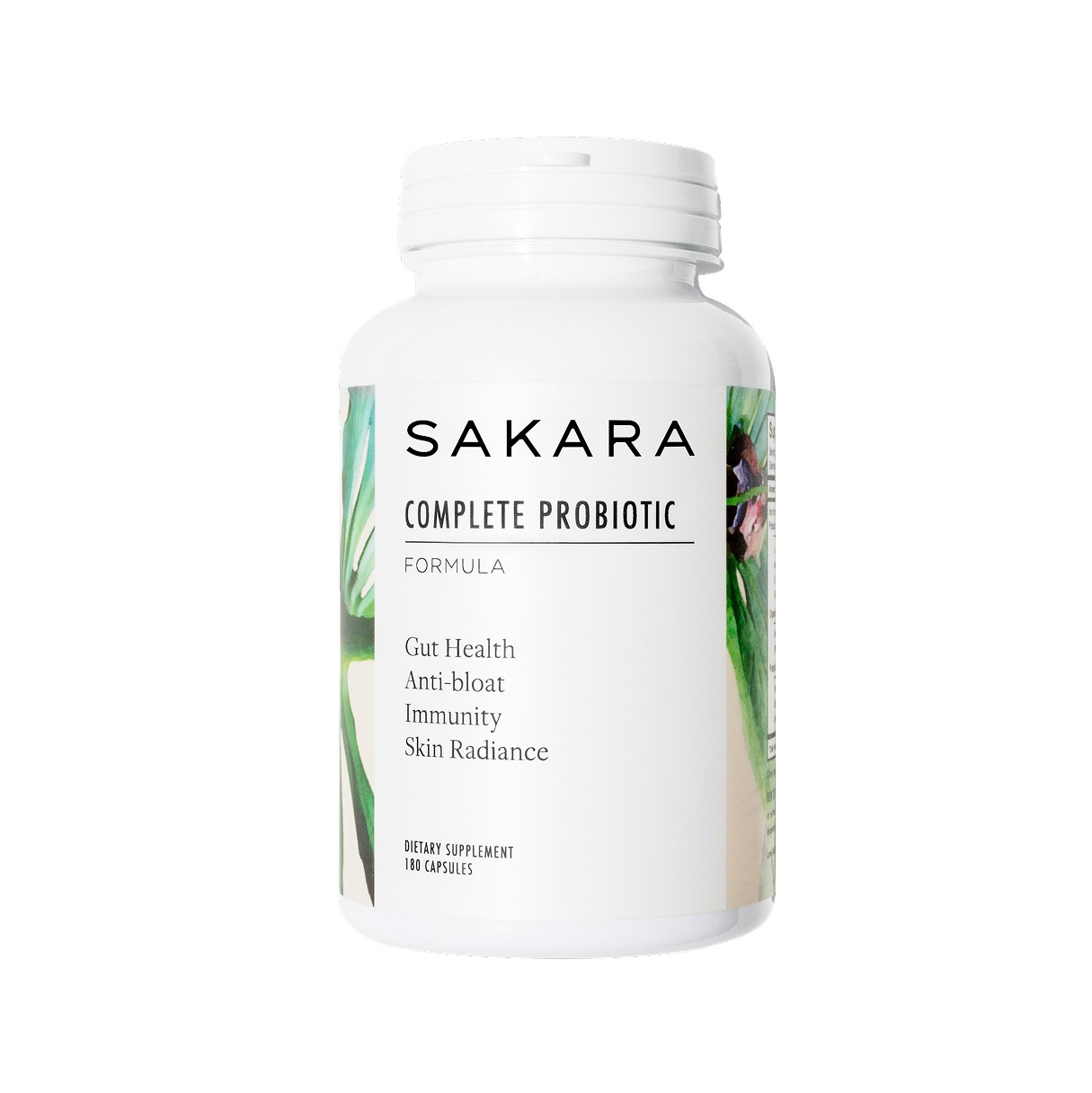
Sakara
Complete Probiotic Formula
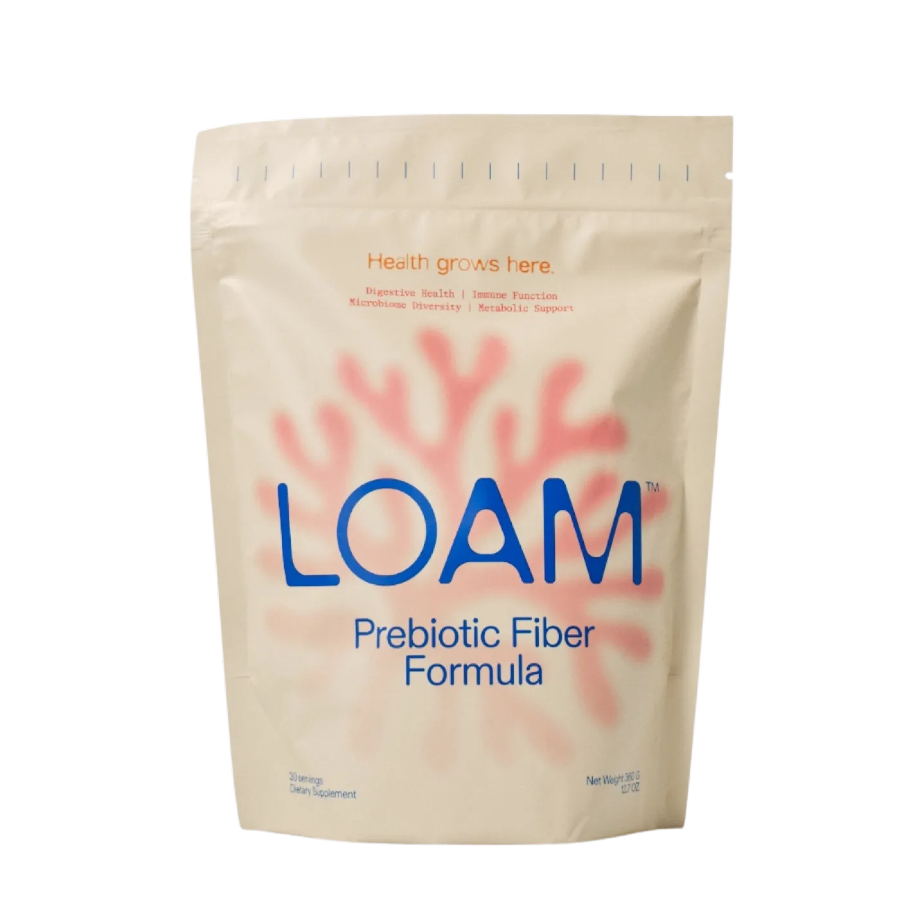
Loam
Prebiotic Fiber Formula
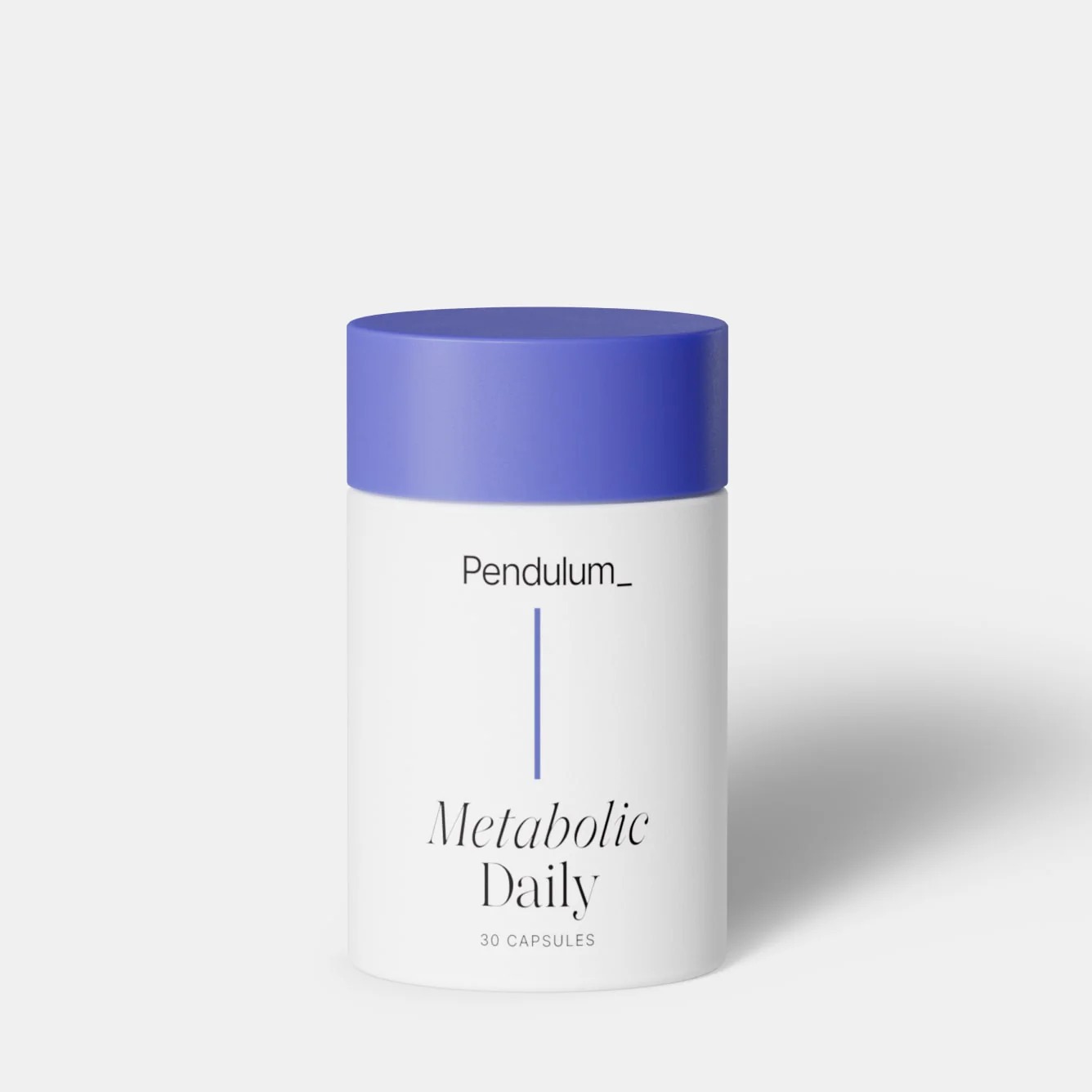
The internet has been interested in the concept of nervous system regulation for a long time, AKA prioritizing mental health and managing stress in our chronically stressful world. Frost says we’re going to take it a step further in 2026, training our minds as we do our bodies. “Wellness is moving beyond basic stress management toward active training of the nervous system,” she says. “People are increasingly investing in technologies and daily practices that support emotional resilience, cognitive performance, and autonomic balance. Mental fitness and physical wellness are converging, with mindfulness platforms, biofeedback devices, and emotional regulation tools becoming mainstream.”
Sarah Cash Crawford, PT, DPT, COMT, CMTPT, and founder of Anchor Wellness & WAVE Physical Therapy & Pilates, agrees. “Instead of ‘self-improvement at all costs,’ there’s a shift towards nervous system regulation — i.e., adaptable stress response, emotional resilience, micro-meditations, breathwork, vagus nerve techniques, and mental fitness training. Wellness is broadening to include psychological endurance and calm as core measures of health.”
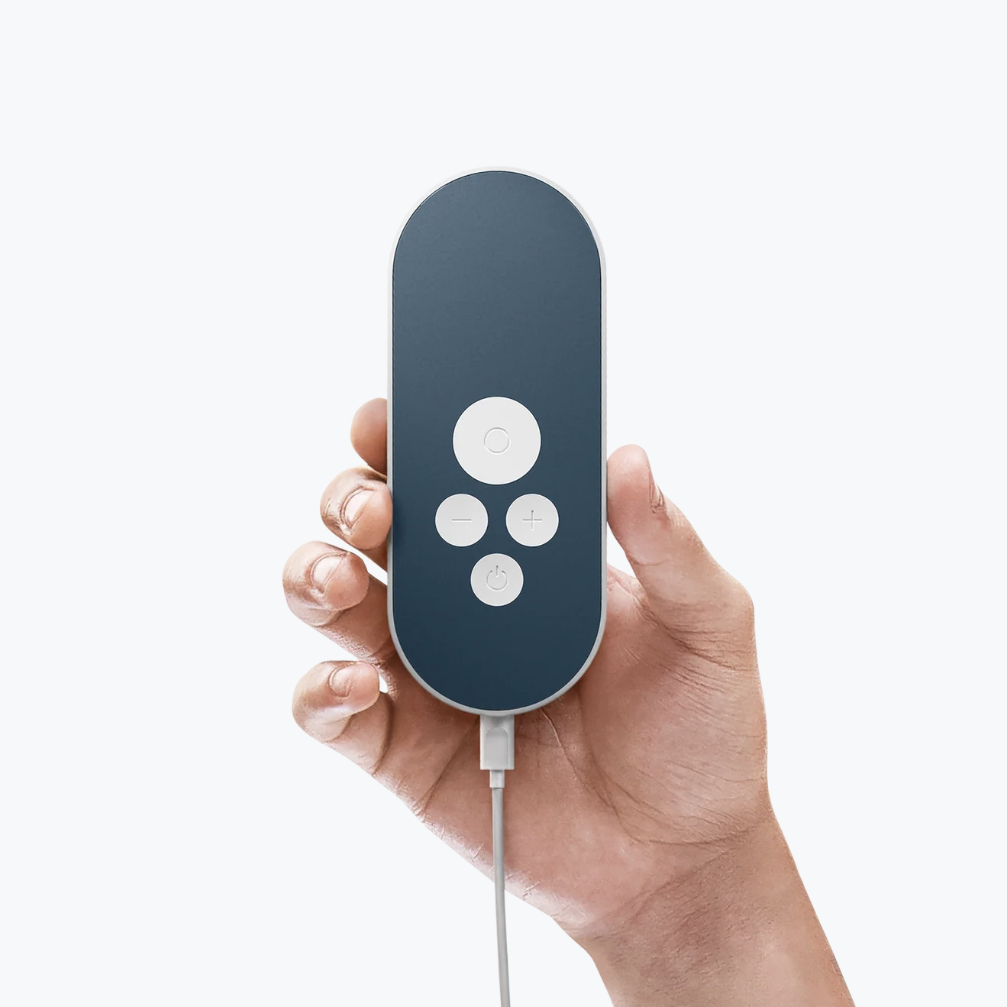
While there is no shortage of helpful tools on the market, Frost specifically mentions devices that are designed to stimulate the vagus nerve (a key part of the parasympathetic nervous system), like Neurosym. “These allow safe, at-home support of autonomic balance and nervous system regulation, directly aligning with the mental fitness and stress-resilience trend,” she says.
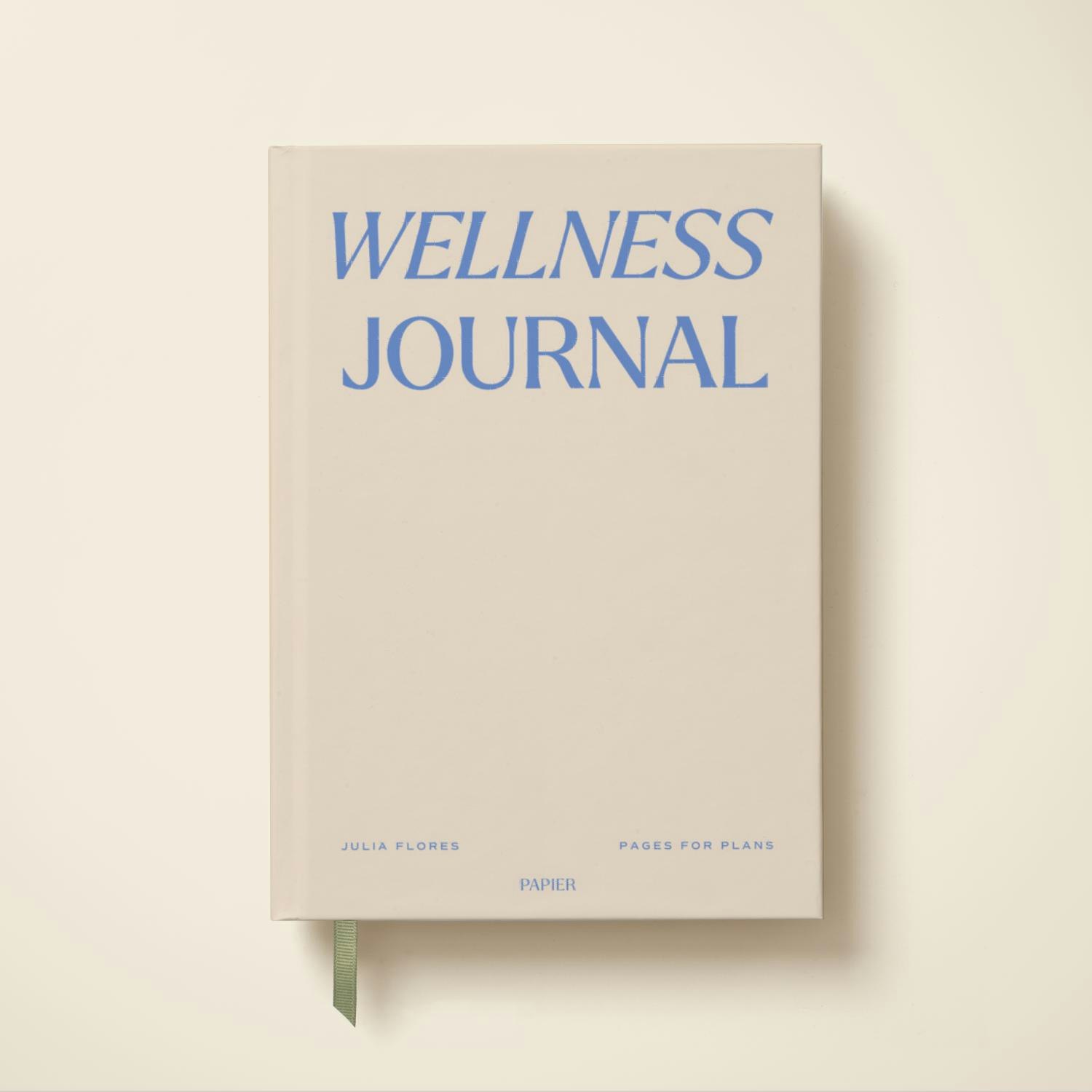
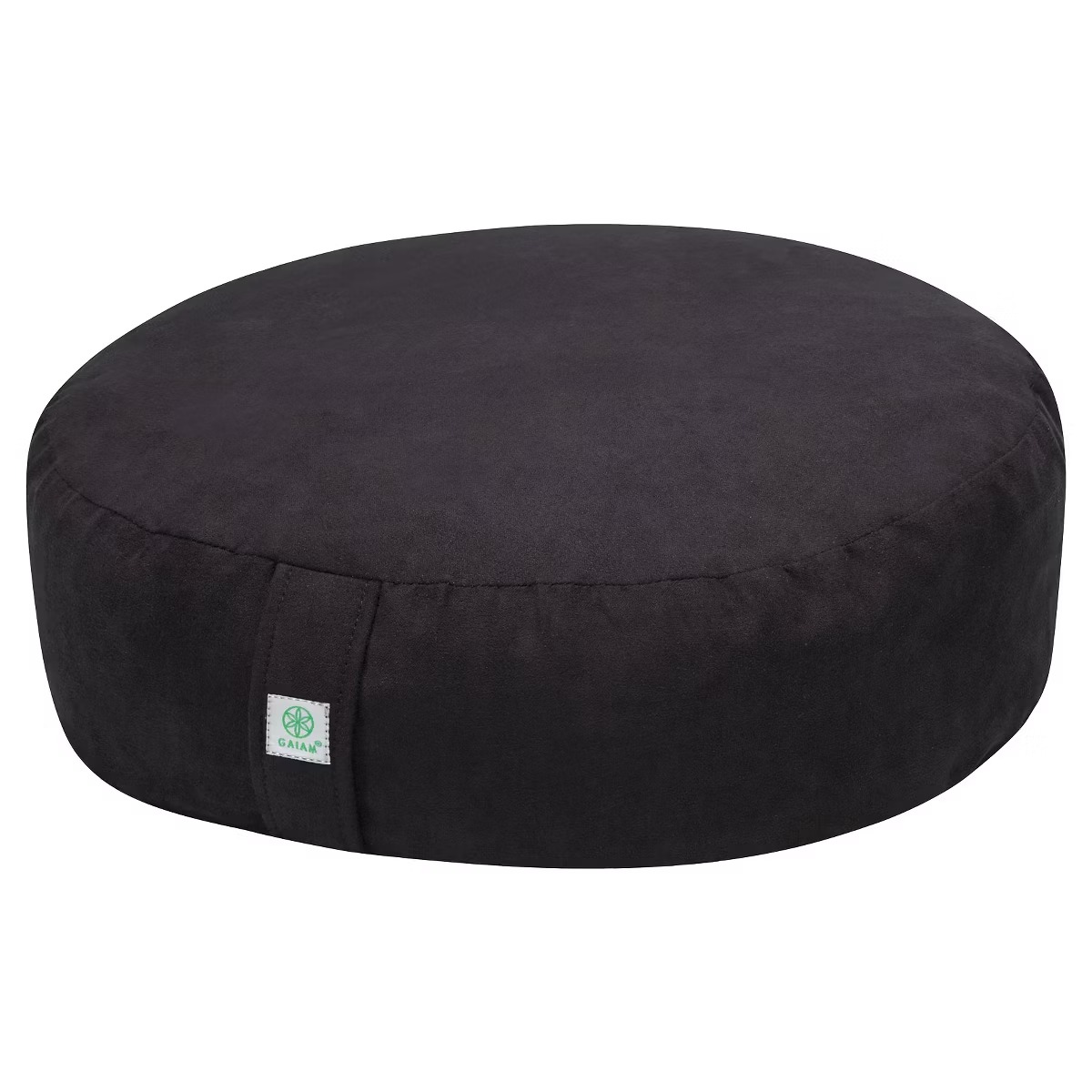
Gaiam
Gaiam Zafu Meditation Cushion
Mansha Sethi Thacker, MD, is a board-certified dermatologist. She says the approach to self-care and skincare will shift in 2026, both in at-home routines and in-office treatments. Instead of complicated routines, we’ll see a move toward simple, minimalist ones. “People seem to be moving away from long, drawn-out, 10-step skincare routines to simpler, gentler routines focused on barrier health and fewer irritants,” she says. “As a cosmetic dermatologist, I am seeing a shift from overdone fillers to targeted lasers for skin rejuvenation. My patients don’t want to change how they look; they want to focus on correcting sun damage, for example, for a more natural, refreshed look. People want evidence-based yet personalized, sustainable care. Microbiome-friendly skincare and treatments are also gaining popularity. The idea is to support and strengthen the skin with ingredients that mimic the natural skin environment. Hydration-boosting injectables with vitamins, antioxidants, and peptides that have long been used in the European market are making their way here.”
Thacker is excited about new technology emerging in the at-home skincare space, specifically Mind The Skin patches. “The microbiome-barrier patches help restore the skin’s balance after an insult such as an eczema flare. The entire line of these patches is fragrance-free and safe for sensitive skin. They also have Surge Flare Patches that are steroid-free and full of antioxidants when your skin needs extra support.”
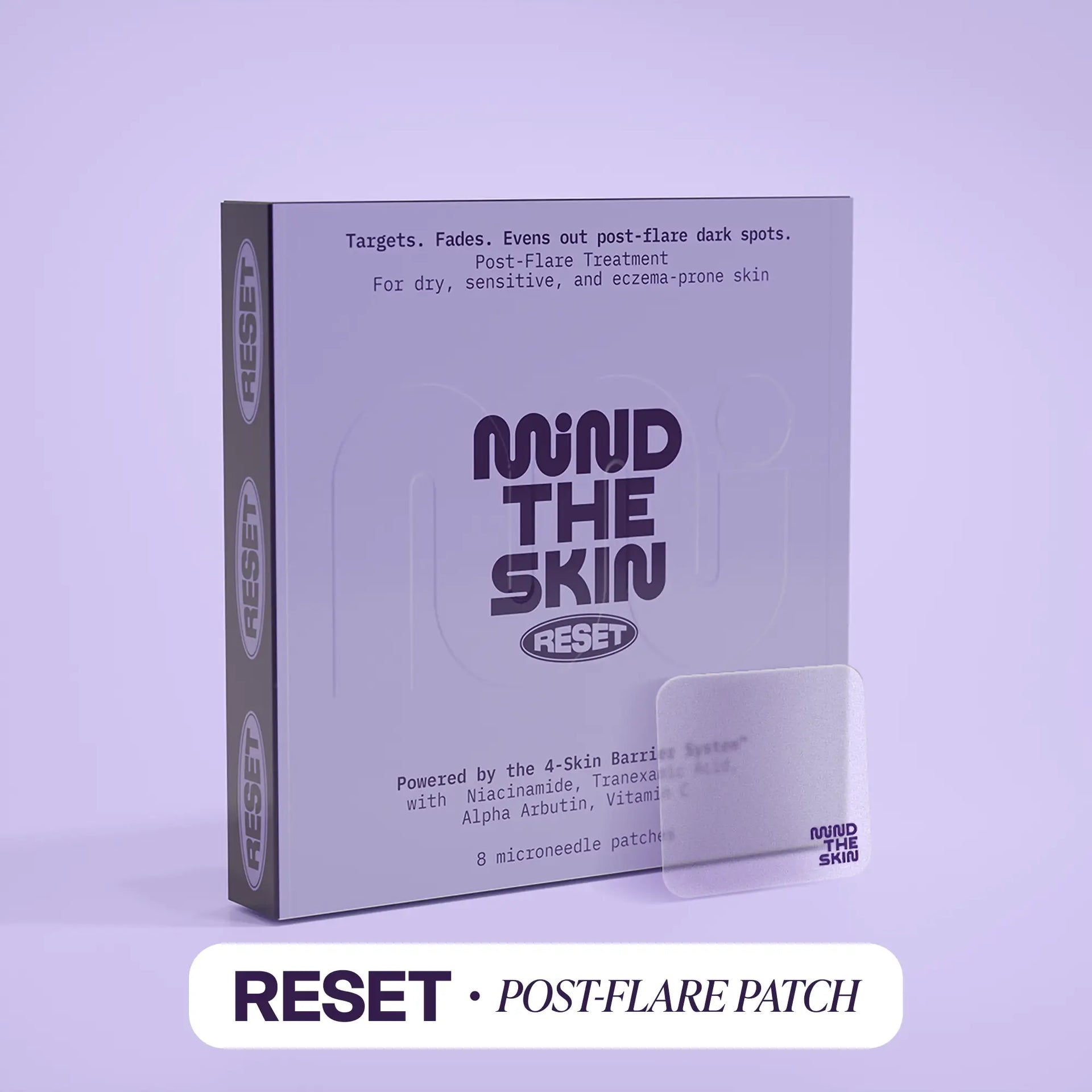
Mind the Skin
Reset Post-Flare Patch

Mind the Skin
Surge Flare Patch
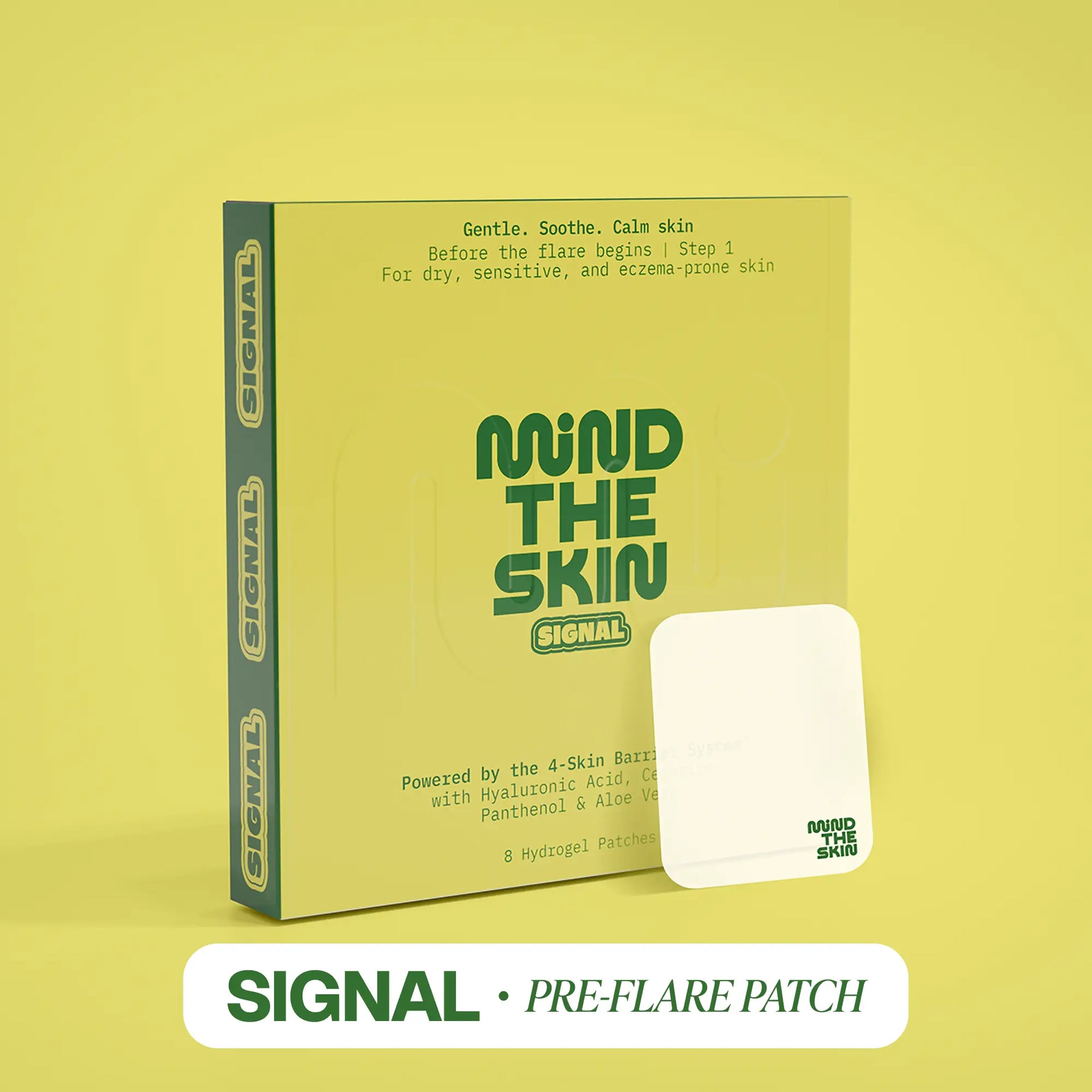
Mind the Skin
Signal Pre-Flare Patch
“Longevity,” while a vague term, is a growing area of interest in the wellness space. People are seeking real, holistic ways to improve their long-term health. Longevity will continue to grow as a dominant wellness category,” Frost says. “However, it is evolving from anti-aging aesthetics into a more serious focus on metabolic health, mitochondrial function, biological age tracking, and long-term disease prevention. In other words, longevity is moving from marketing language to medical and physiological substance.”
Crawford says this is why we see “Slow, intentional fitness (like Pilates, mobility work, strength training for healthspan)” taking hold. People are interested in long-term strength and mobility—not intense, aesthetic-driven workouts. “The ‘no pain, no gain’ mentality and ultra-intense protocols are losing appeal as consumers recognize burnout, joint wear, and long-term stress are not wellness outcomes. Instead, slow, controlled, recovery-oriented routines better align with longevity principles.”
A major part of the longevity conversation is preventative health. “Wellness is shifting from reactive care to preventative and highly personalized approaches,” Frost says. “This is no longer limited to monitoring alone; emerging technologies are actively designed to support early intervention and functional optimization. In parallel, AI tools are bringing meaningful health insights into everyday life, enabling early detection, individualized health plans, and tailored lifestyle strategies rather than one-size-fits-all solutions.”
Erin Barrett, nutrition biochemist and Senior Director of Product Innovation and Scientific Affairs at Shaklee, agrees. “One of the biggest wellness trends we’re seeing is a shift toward longevity-centered health. People are living longer, but that doesn’t always mean they’re living well. Many of the changes we associate with aging, such as lower energy, loss of strength, and cognitive decline, often happen gradually over time. As we’ve learned more about how aging works, it’s become clear that the habits we build earlier in life really matter. That’s why wellness is moving away from quick, short-term goals and toward supporting long-term health. In practice, this looks like prioritizing strength training, making sure we’re getting enough protein and key nutrients, and focusing more on recovery and sleep instead of chasing quick fixes. The focus has shifted from ‘How do I feel right now?’ to ‘How will this help me function as I get older?’”
The foundation, as always, is found within your daily habits. “The biggest benefit comes from focusing on everyday habits that support long-term health,” Barrett says. “That means eating a balanced, nutrient-dense diet built around lean, high-quality protein, whole grains, fruits, and vegetables; staying physically active with an emphasis on strength and movement; prioritizing good sleep; and maintaining strong social connections. High-quality supplements can help fill nutritional gaps, including a daily multivitamin and clean protein options. The goal is consistency over time, choosing habits and products that are easy to maintain—not extreme or short-term fixes.”

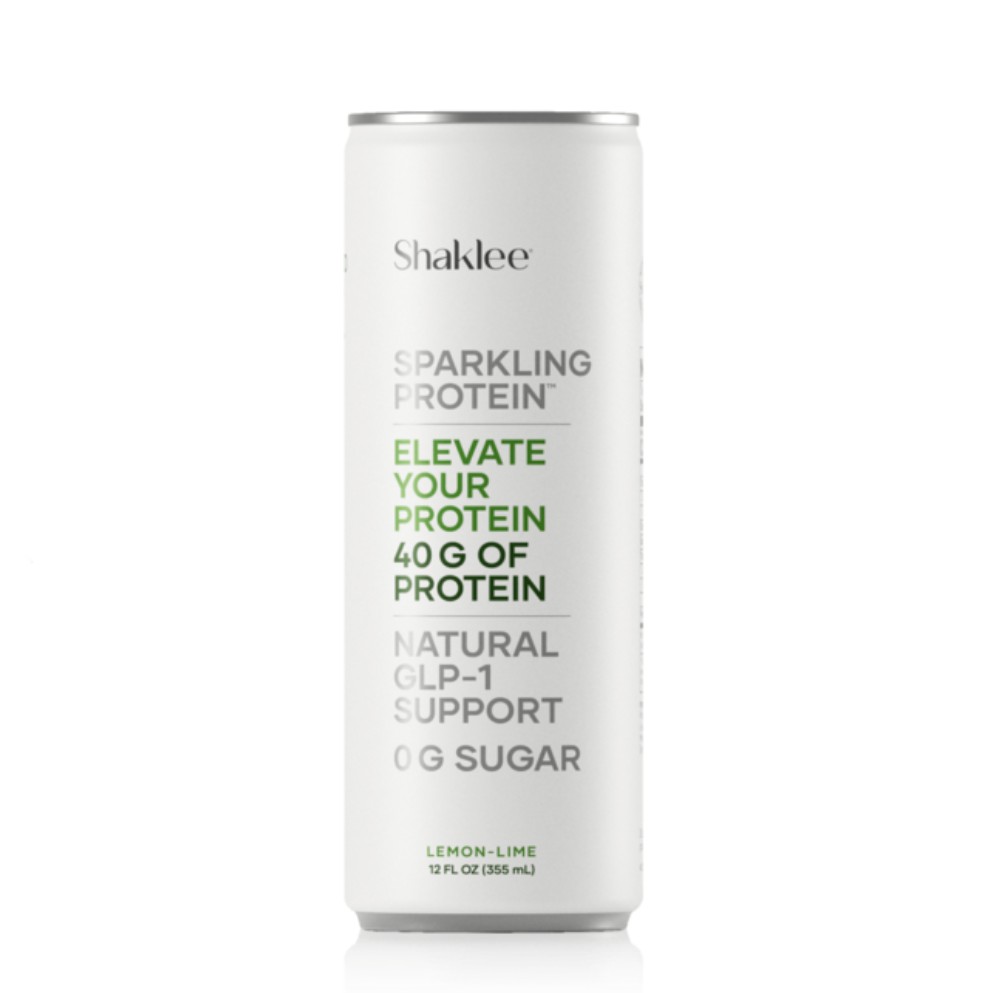
Shaklee
Sparkling Protein – 12 Pack
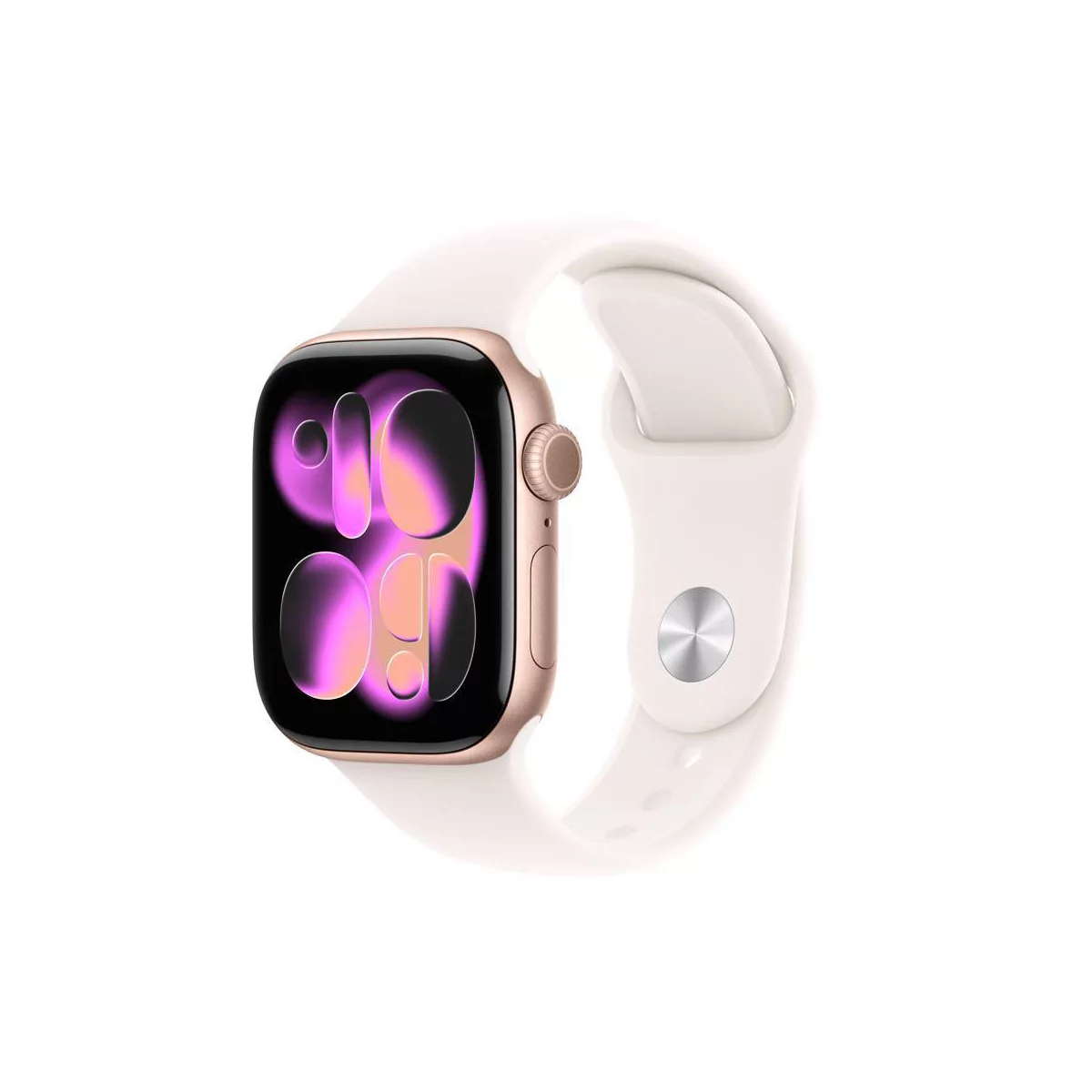
Apple
Apple Watch Series 11
Cellular energy is intimately related to longevity, and the experts say 2026 will the year of monitoring, supporting, and improving it. “People are starting to understand that energy isn’t just about how alert or motivated they feel, it’s about how well their cells are able to produce and use energy every day,” Barrett says. “Cellular energy powers everything the body does, from breathing and moving, to thinking, focusing, digesting food, recovering, and repairing damage. When that system isn’t well supported, it shows up as low energy, reduced focus, slower recovery, and declines in strength and stamina.”
Barrett says focus is shifting from quick fixes to underlying systems, AKA mitochondrial health. “Instead of asking how to get a quick boost, people are focusing more on how to support steady, all-day energy at the cellular level.” Again, it starts with daily practices, like your diet. After all, nutrient-dense foods produce the best cellular energy. “Diets rich in fruits, vegetables, and other plant foods help the body manage everyday oxidative stress, which can interfere with normal mitochondrial function. Cellular energy also depends on the body’s ability to recycle energy that’s already been used. Creatine plays an important role in this process and is naturally found in foods like lean meats and fatty fish. For some people, especially as energy needs change with age or activity level, supplementation is important. Regular movement every day, especially strength-based activity, along with good sleep and recovery, also supports how the body produces and uses energy over time.”
Mallari adds peptides (cell signalers) to the conversation. “There is growing interest in therapies that support cellular signaling, resilience, and efficiency. Peptides are a key part of this trend. While many people associate peptides only with weight loss, they also support sleep quality, tissue repair, immune function, mitochondrial health, and overall cellular communication.”
For at-home use, the experts either recommend A) red light devices or B) PEMF mats. Both of which are thought to stimulate mitochondria, increase cellular energy production, and support circulation and muscle recovery.
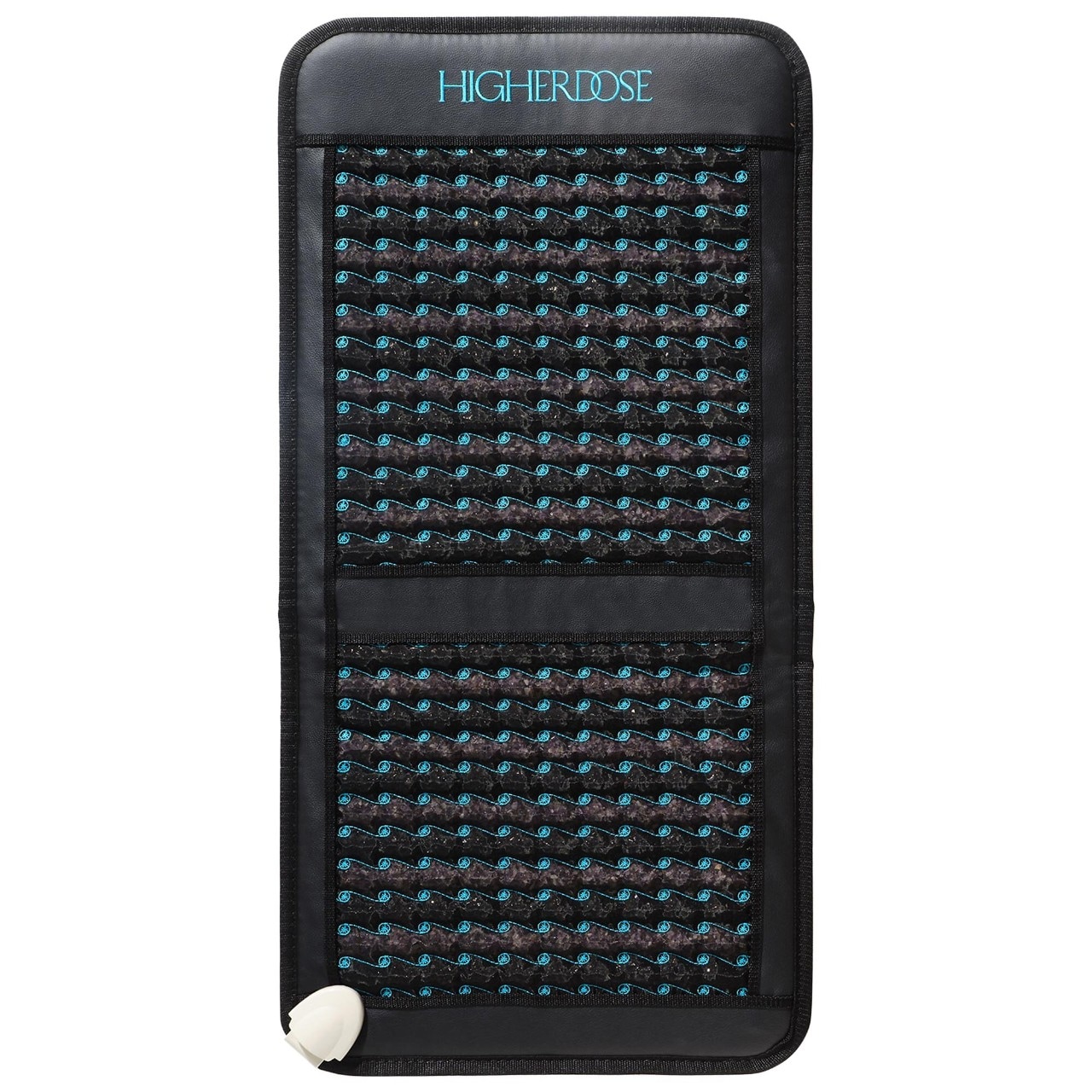
Higher Dose
Infrared PEMF Mat
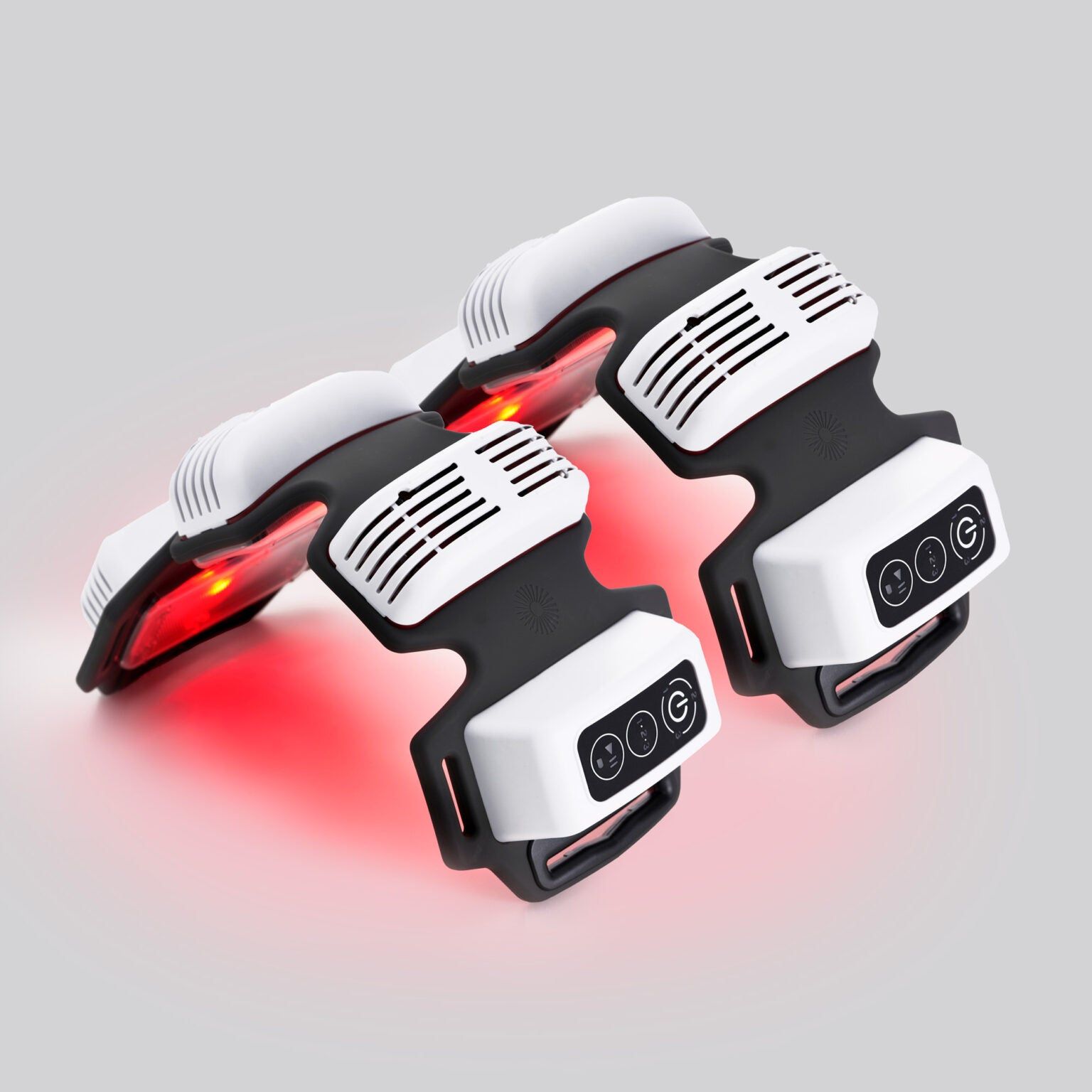
Recharge Health
Flexbeam Device
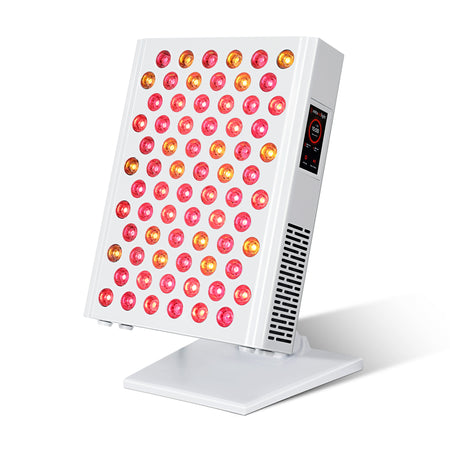
Mito Red Light
4.0 Red Light Panel
6. Community-Based Wellness
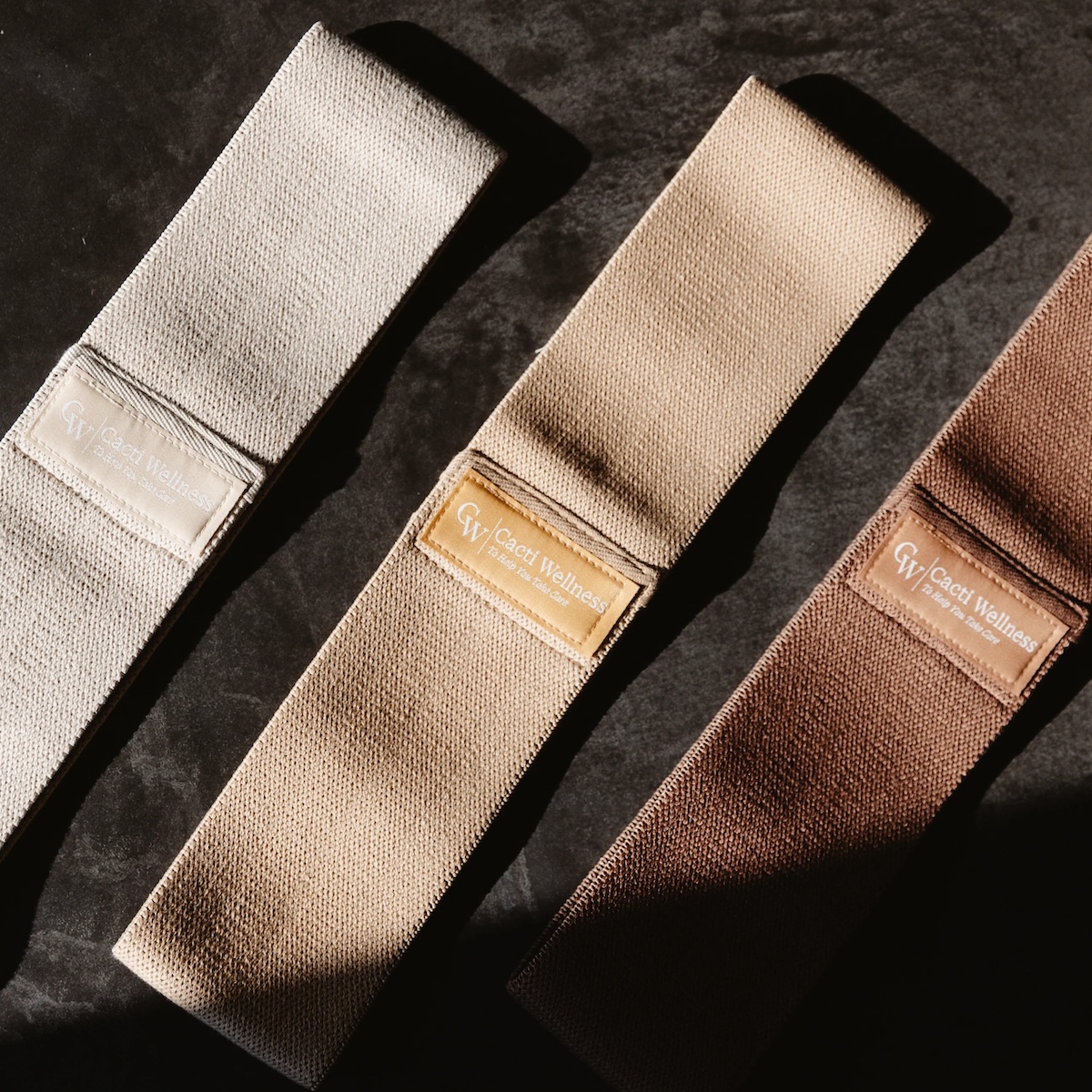
Kira Jones is the founder of Cacti Wellness. “Coming out of the lockdown surrounding the pandemic, there was a strong push toward staying in and focusing on self-care. While that inward focus still matters, 2026 is about bringing self-care back into the community. We’ll see more activations and social experiences that make wellness something you do together, not just alone.”
Barrett seconds this. “Health doesn’t happen in isolation,” she says. “Research has shown that people are more likely to stick with healthy habits when they feel supported, and this has become even more relevant as wellness has moved away from short-term goals and toward long-term consistency. Community-based wellness includes shared education, accountability, and encouragement. Learning together, checking in on progress, and feeling supported all make healthy behaviors a lot easier to maintain over time. As people focus on building habits they can sustain long term, community has become an important part of that process. It’s important to surround yourself with people who are working toward similar goals. Support doesn’t have to be formal. It can be simple check-ins, shared challenges you all participate in together, or regular touchpoints that help with accountability.”
Consider scheduling time to hit the gym with a friend, joining fitness classes, or even a running club. Barrett even recommends a wellness-themed book club. Regardless, we’re finally recognizing that the community aspect of activity is more important than ever.
Cycle syncing is the concept of aligning your diet, exercise, and lifestyle with your menstrual cycle. Proponents say it offers a gentler, more holistic approach to wellness for women. “This topic has been gaining traction for a few years, but 2026 is when it becomes truly integrated into daily life,” Jones says. “People are getting more in tune with their hormone levels and potential imbalances—using real data from lab testing, paired with intentional schedule shifts (for workouts, meetings, social events, etc) that better support each phase of the cycle.”
As the ‘all or nothing’ mindset falls by the wayside, experts say we’ll see a trend towards lighter, shorter, and more consistent activity—or, what Jones calls “snack-sized workouts.” I love that.
“As more people return to the office (hybrid or full-time), there’s simply less room for the hour-long fitness class,” Jones says. “While studio classes and wellness events will continue to thrive in 2026, I think there’s a growing demand for workouts that are efficient, effective, and flexible. Think of more strength-focused routines you can do at home or quick sessions at the gym. As strength training regains momentum, so does the appeal of a gym membership and showing up on your own schedule, allowing movement for the amount of time you actually have.”

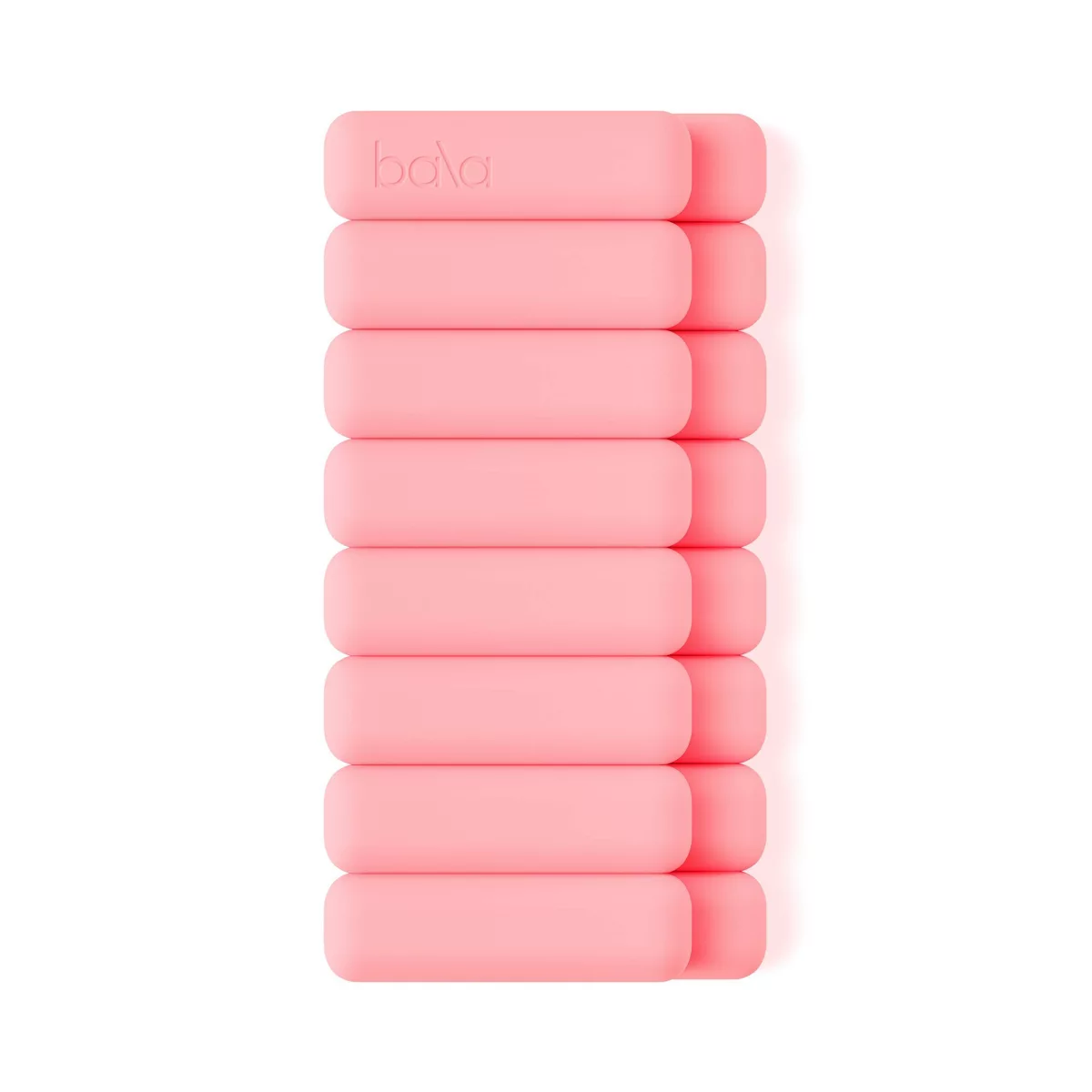
Bala
Bangles Ankle Weights
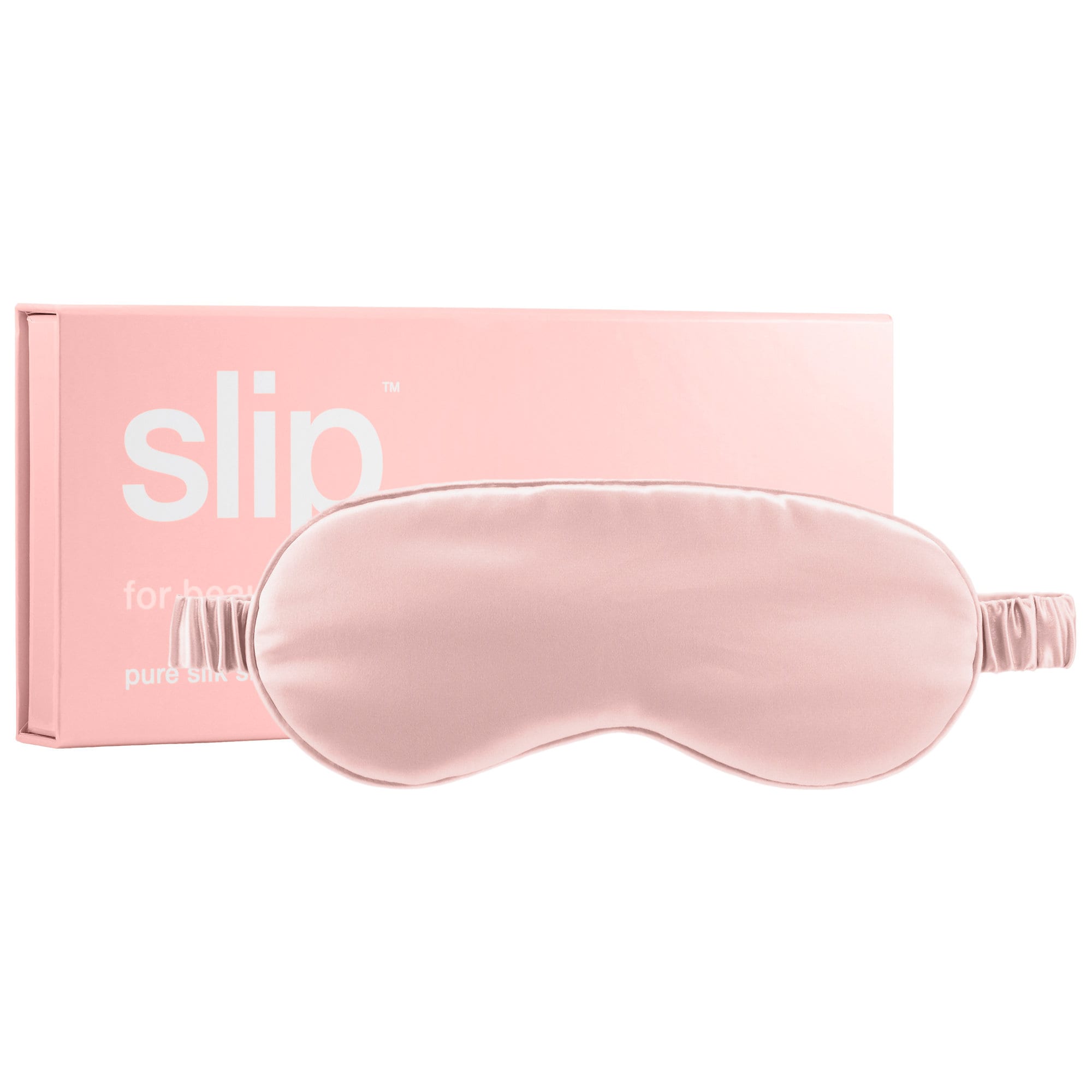
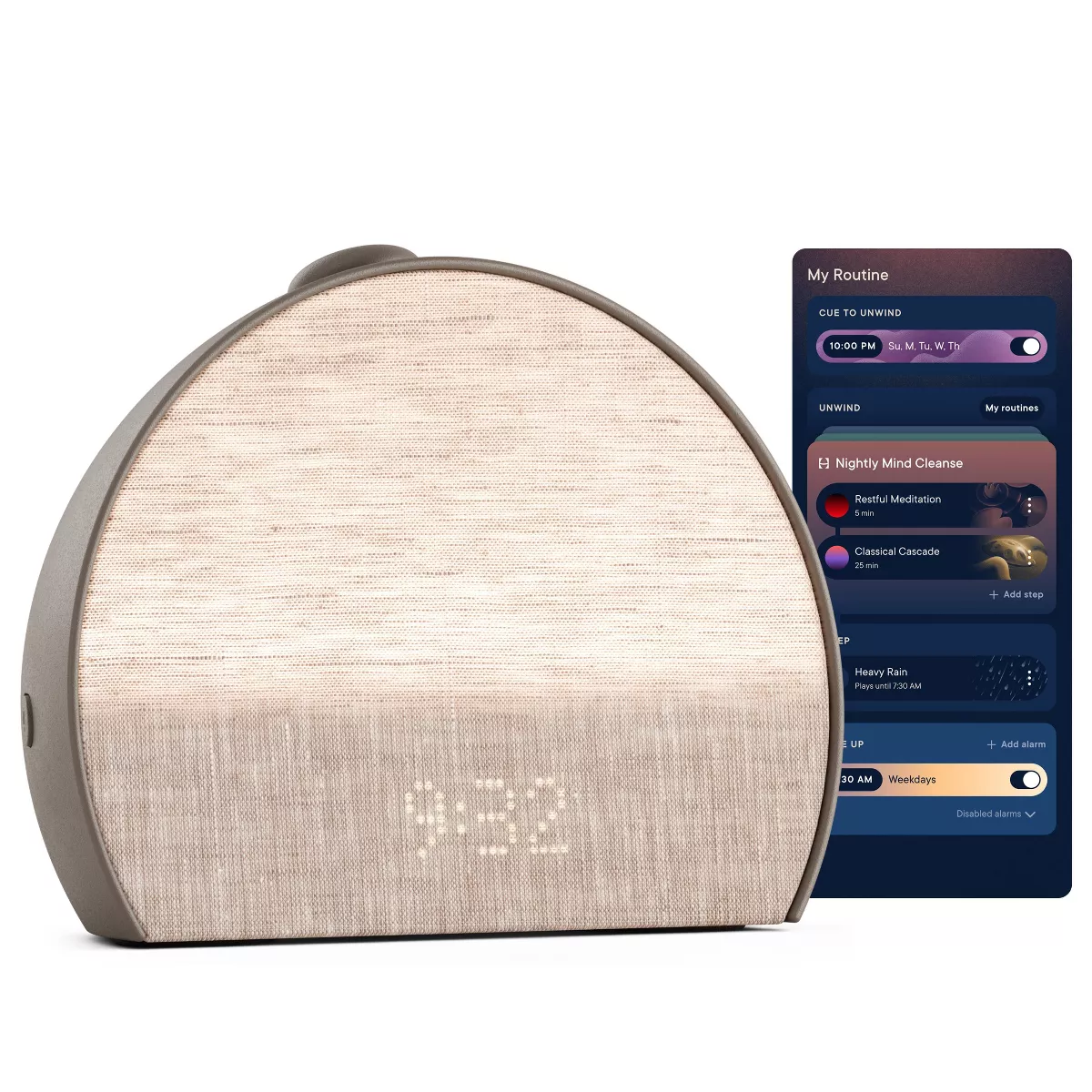
We can’t talk about wellness without talking about one of the most basic tenants: high-quality sleep. According to Mallari, “Sleep is finally being treated as a non negotiable pillar of health rather than an afterthought. In 2026, we will continue to see a rise in sleep focused technology such as Eight Sleep smart bed systems, Oura Ring, and Whoop, along with environmental sleep tools and recovery tracking. Patients are beginning to understand that sleep impacts hormones, metabolism, immune function, mental health, and longevity. Optimizing sleep will be viewed as essential, not optional.”

OSEA Malibu
Vagus Nerve Pillow Mist
Maral Malekzadeh, MD, is a board-certified gynecologist and co-owner of The Well Westlake. She says we’re done being discreet when it comes to important topics related to women’s health. “One of the most important wellness shifts we’ll see in 2026 is the continued normalization of sexual and pelvic health as essential components of women’s overall wellbeing,” she says. “Women are becoming more comfortable having informed, proactive conversations about intimacy, comfort, confidence, and function, not just when something feels ‘wrong,’ but as part of preventative care throughout different life stages.”
Along with that, Malekzadeh says we’re witnessing an evolution in restorative gynecologic care. “Treatments that address changes related to childbirth, aging, hormonal shifts, or pelvic floor strain, such as vaginal laxity, tissue thinning, or mild prolapse, are increasingly viewed through a wellness lens rather than a purely corrective one. Whether surgical or non-surgical, these approaches are centered on restoring function, comfort, and quality of life.”
Instead of investing in consumer products, Malekzadeh says the most “meaningful alignment” is to seek out clinically guided treatments and individualized care plans with an expert. “For sexual and pelvic wellness, non-surgical technologies such as FormaV, targeted regenerative treatments, and carefully selected injectable approaches can help improve tissue quality, sensation, and comfort when used appropriately. These options allow us to support intimate wellness without overcorrecting or disrupting natural anatomy. For women experiencing structural or post-childbirth changes, procedures such as labiaplasty, perineoplasty, or labiapuff, when thoughtfully planned and conservatively performed, can play an important role in restoring both function and confidence. These treatments are not about aesthetics alone. They often address irritation, discomfort, or changes that affect daily life and intimacy.” Yes to normalized sexual and pelvic health convos in 2026!
Personalization is perhaps the most significant 2026 wellness trend. Experts say we’ll see more personalization in lab testing, hormone health, supplementation, and beyond.
“There is a strong shift away from one-size-fits-all medicine toward comprehensive lab testing that goes beyond basic reference ranges,” Mallari says. “Traditional labs often compare patients to very sick, very old, or very young populations. In integrative and functional medicine, we focus on optimal ranges, patterns, and trends over time. Hormone optimization will continue to be a major focus, especially for perimenopausal and menopausal women. Supporting hormones through sleep, nutrition, targeted supplementation, and lifestyle interventions will remain a cornerstone of care. Patients are no longer satisfied with being told their labs are ‘normal’ when they still feel unwell. They want answers and actionable plans.”
Crawford seconds this, adding that new technology is leading the change. “Biomarker tracking, advanced lab insights, AI-powered health tools, and personalized nutrition are becoming mainstream. [It’s] wellness that’s tailored towards individual needs and less commercial.”
Cutcliffe agrees. “Personalized health and nutrition will also keep gaining momentum. With more accessible blood testing, wearable health devices, and tools like continuous glucose monitors, people are starting to connect real data to how they actually feel day to day. That insight helps turn wellness ideals into something very personal and allows people to make more informed, realistic decisions about their health.” There you have it. In 2026, wellness is moving beyond the collective, becoming smarter, science-based, and highly personalized.