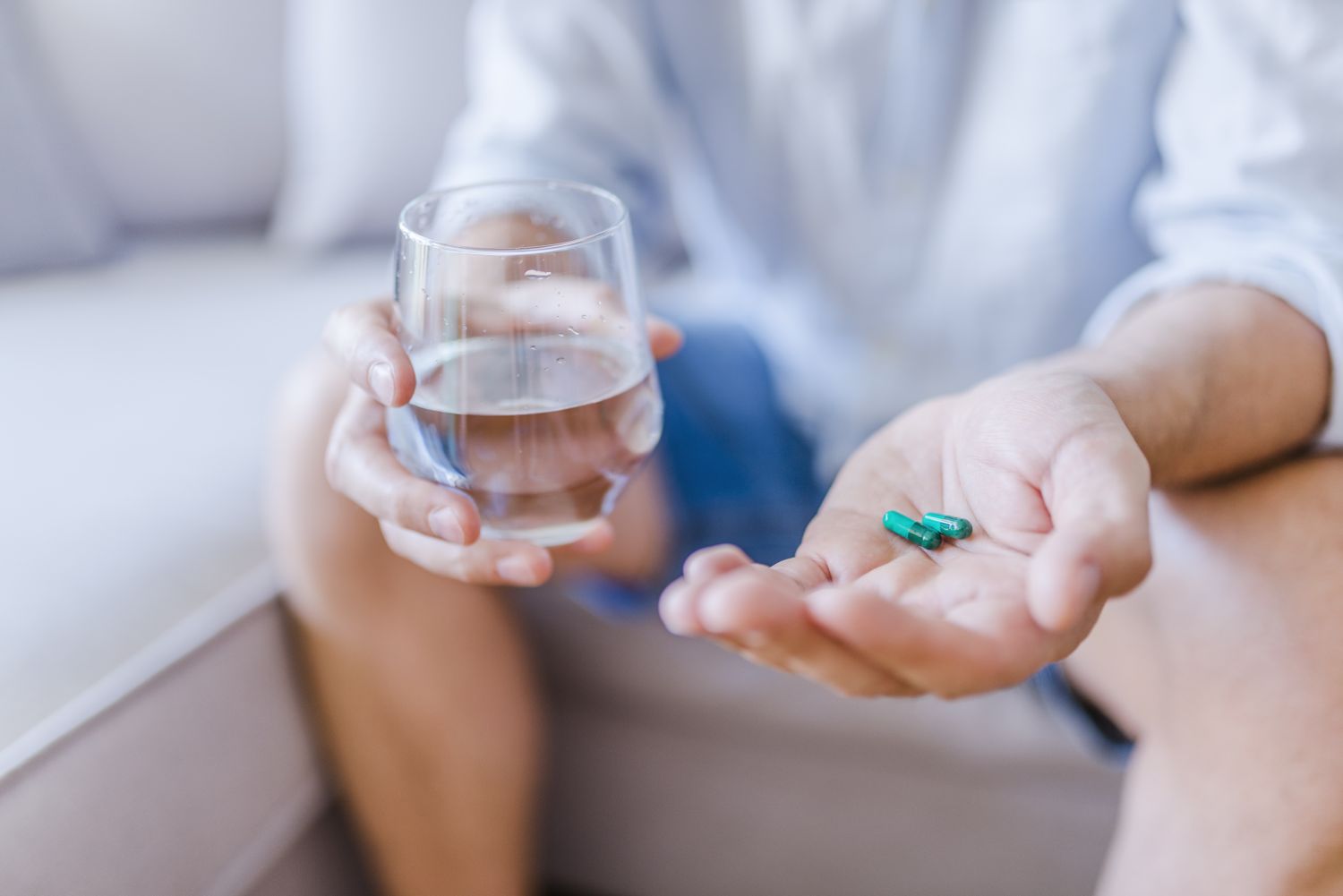
Alcohol is a substance that’s processed largely in the liver and that also affects the brain and nervous system. That combination means drinking can interfere with medications and supplements that rely on liver metabolism, alter bleeding risk, affect blood sugar, or depress breathing.
1. Acetaminophen (Tylenol)
Acetaminophen (Tylenol) is commonly used for pain and fever, but drinking alcohol—especially regularly or in large amounts—can increase the risk of liver injury when the two are combined.
Alcohol changes how the liver breaks down acetaminophen, which can allow harmful byproducts to build up.
How to lower your risk:
Stay within labeled dosing limits.
Avoid using more than one acetaminophen-containing product at a time.
Skip acetaminophen after drinking.
Use extra caution if you:
Have liver disease
Drink alcohol regularly
Have poor nutrition
Take other medications that affect the liver
If you drink often and need pain relief, a healthcare provider can help you choose a safer option.
2. Nonsteroidal Anti-Inflammatory Drugs (NSAIDs)
NSAIDs—including aspirin, ibuprofen (Advil, Motrin), and naproxen (Aleve)—can irritate the stomach and increase the risk of upper gastrointestinal (GI) bleeding. NSAIDs on their own are linked to stomach ulcers and bleeding, and alcohol can raise this risk even more.
How to lower your risk:
Use the lowest effective dose for the shortest time.
Do not take more than one NSAID at a time.
Avoid alcohol while using NSAIDs, especially regularly.
Ask a healthcare provider about stomach-protecting medications if you need long-term NSAID use.
Get medical help right away if you notice black stools, vomiting blood, or severe stomach pain.
3. Opioid Pain Medications
Opioid pain medications, such as oxycodone, morphine, or hydrocodone, can cause sleepiness and slow breathing. Alcohol has similar effects on the body, and using them together can be dangerous.
Research shows that alcohol can increase the breathing-suppressing effects of opioids, raising the risk of severe breathing problems and death, even when the opioid is taken exactly as prescribed.
Avoid alcohol if you take opioids, including combination products. Get emergency help right away if someone:
Is hard to wake
Is breathing very slowly or irregularly
Has blue, purple, or gray lips or fingernails
These warning signs can worsen quickly, especially when alcohol is involved, and require immediate medical care.
4. Benzodiazepines and Other Sedatives
Benzodiazepines (such as alprazolam and lorazepam) and other sedating medicines, including some sleep aids and muscle relaxants, can slow reaction time and affect balance, memory, and coordination.
Alcohol can intensify these effects because it also depresses the central nervous system. When used together, the risk of falls, injuries, and car crashes increases. The combination can also slow breathing, especially if an opioid is also taken at the same time.
To reduce your risk:
Avoid alcohol on days you take these medications or supplements.
Do not drive or operate machinery if you feel drowsy.
Be extra cautious when starting a new medication or supplement, taking higher doses, or if you are sleep-deprived.
Even if you have taken sedatives before without problems, adding alcohol can make side effects unpredictable and dangerous.
Herbal Supplements and Sleep Aids With Sedating Effects
Some herbal supplements and over-the-counter sleep aids can also have sedative effects and may increase drowsiness or impair coordination when combined with alcohol. Examples include:
Melatonin, which can increase sleepiness and impair reaction time
Valerian root, which may enhance alcohol’s sedating effects
Lavender supplements, sometimes used for anxiety or sleep
Kava, which has central nervous system depressant effects and has also been linked to liver damage
5. Warfarin and Other Anticoagulants
Alcohol can increase bleeding risk in people who take warfarin by affecting how the medication works in the liver. Studies show that heavy or binge drinking is linked to a higher risk of major bleeding in people on warfarin.
If you take warfarin, avoid binge drinking and tell your healthcare provider about any alcohol use or sudden changes in your alcohol consumption (including decreases).
Get medical advice right away if you notice:
Nosebleeds that won’t stop
Black or tarry stools
Vomiting blood
Large or unexplained bruises
6. Diabetes Medications That Can Cause Hypoglycemia
Alcohol can lower blood sugar and make it harder for the body to correct low glucose levels that may occur with some medications. Drinking alcohol in the evening can increase the risk of hypoglycemia (low blood sugar) the next morning. Alcohol also raises the risk of hypoglycemia when combined with insulin or sulfonylureas.
To reduce your risk:
Drink any alcohol with food.
Avoid drinking on an empty stomach.
Check your blood sugar levels more often.
Remember that alcohol intoxication can feel like low blood sugar, so test rather than guess. If symptoms are severe or don’t improve with treatment, seek medical care.
7. Antibiotics and Other Antimicrobials
Alcohol can interfere with some antibiotic medications, either by making them less effective or increasing side effects. Alcohol-related risks vary by drug.
Possible effects include:
Reduced effectiveness: Some antibiotics, such as erythromycin and doxycycline, may not work as well in people who drink alcohol, especially with long-term or heavy alcohol use.
Increased liver stress: Alcohol can raise the risk of liver injury with certain antifungal and tuberculosis medications, such as ketoconazole, griseofulvin, isoniazid, and rifampin.
Physical reactions: A small number of antimicrobials, including cefotetan, ceftriaxone, and metronidazole, may trigger flushing, nausea, vomiting, headache, fast heart rate, or low blood pressure when combined with alcohol.
Because risks differ by medication—and data are limited for some drug classes, including antiretrovirals—follow your healthcare provider’s advice and ask about alcohol use when starting an antimicrobial.
8. St. John’s Wort
St. John’s wort is an herbal supplement sometimes used for mild depressive symptoms. Combining St. John’s wort with alcohol may increase side effects such as dizziness, drowsiness, and impaired concentration.
9. Antidepressant Medications
Alcohol can worsen side effects of many antidepressant medications, including drowsiness, dizziness, and impaired coordination. Some antidepressants—such as monoamine oxidase inhibitors (MAOIs) and tricyclic antidepressants—carry higher risks when combined with alcohol, including potentially dangerous changes in blood pressure and greater central nervous system depression.
Alcohol can also worsen mood symptoms and interfere with treatment response. Because of this, people taking antidepressants may want to limit or avoid alcohol and discuss alcohol use with their healthcare provider.
Talk to a Healthcare Provider for Guidance
Alcohol can increase harm with several common medications and a few higher-risk supplements—particularly those that affect breathing, bleeding, blood sugar, or the liver.
When in doubt, bring a list of your medications and supplements to the pharmacy. Interaction checks are quick, personalized, and can prevent serious harm. If you’re unsure whether a product is compatible with alcohol use, the safest approach is to skip drinking and get individualized guidance from your healthcare provider.
Verywell Health uses only high-quality sources, including peer-reviewed studies, to support the facts within our articles. Read our editorial process to learn more about how we fact-check and keep our content accurate, reliable, and trustworthy.
MedlinePlus. Alcohol.
California Department of Alcoholic Beverage Control. Alcohol facts.
National Institute on Alcohol Abuse and Alcoholism. Alcohol-medication interactions: Potentially dangerous mixes.
National Library of Medicine. Tylenol regular strength.
Hospital for Special Surgery. Guidelines to help reduce the side effects of NSAIDs (nonsteroidal anti-inflammatory drugs).
MedlinePlus. Opioids and opioid use disorder (OUD).
Bounds CG, Patel P. Benzodiazepines. In: StatPearls. StatPearls Publishing; 2024.
Savage RA, Zafar N, Yohannan S, et al. Melatonin. In: StatPearls. StatPearls Publishing; 2024.
National Center for Complementary and Integrative Health. Valerian.
Koulivand PH, Khaleghi Ghadiri M, Gorji A. Lavender and the nervous system. Evidence-Based Complementary and Alternative Medicine. 2013;2013:1-10. doi:10.1155/2013/681304
Alcohol and Drug Foundation. Kava.
Crader MF, Johns T, Arnold JK. Warfarin drug interactions. In: StatPearls: StatPearls Publishing; 2023.
MedlinePlus. Warfarin.
American Diabetes Association. Alcohol and diabetes.
MedlinePlus. St. John’s wort.
National Institute on Alcohol Abuse and Alcoholism. Alcohol’s effects on health: Harmful interactions.
Alcohol and Drug Foundation. Can I mix antidepressants or anxiety medications with alcohol and other drugs?

Jividen is a healthcare journalist. She has over a decade of direct patient care experience working as a registered nurse specializing in neurotrauma, stroke, and the emergency room.
Thanks for your feedback!
What is your feedback?
Helpful
Report an Error
Other