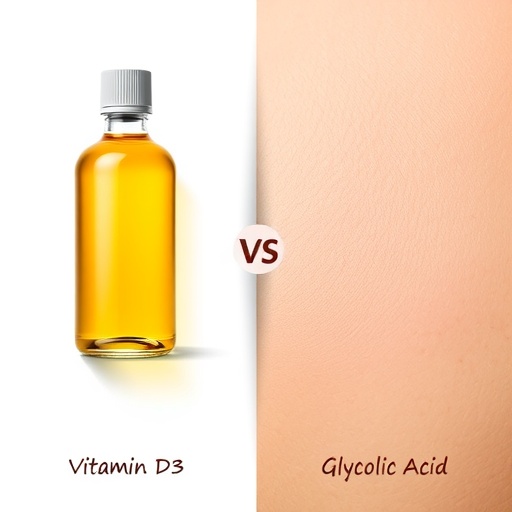
In a groundbreaking study set to be published in 2026, researchers have explored the efficacy of intralesional vitamin D3 as a treatment modality for pseudo-acanthosis nigricans, an often-overlooked dermatological condition characterized by dark, velvety patches on the skin. This randomized comparative study, conducted by a team of experts including Moftah, Hamdino, and Mansour, compares the outcomes of intralesional vitamin D3 injections with 70% glycolic acid peeling, a popular method used in dermatological practices worldwide.
Pseudo-acanthosis nigricans is frequently associated with insulin resistance, obesity, and hormonal disorders, presenting a significant challenge for affected individuals. The condition not only impacts physical appearance but can also carry psychological burdens, leading to decreased self-esteem and social withdrawal. Despite its prevalence, treatment options have been limited and often unsatisfactory, prompting researchers to delve into more effective therapeutic alternatives.
Vitamin D, known for its regulatory role in skin conditions and immune function, has garnered attention as a potential therapeutic agent. The premise of using intralesional vitamin D3 stems from its established benefits in promoting cellular regeneration and modulating inflammatory responses. This study carefully evaluates how vitamin D3 injections could alter the course of pseudo-acanthosis nigricans, potentially paving the way for new treatment strategies.
In contrast, glycolic acid, a type of alpha-hydroxy acid, has long been employed in skincare for its exfoliating properties that help in reducing the appearance of dark patches by promoting cellular turnover. While effective, this method can be harsh on the skin, particularly for patients with sensitive conditions. Hence, understanding how intralesional vitamin D3 compares in efficacy and tolerability is the crux of this important research.
The methodology of the study involved a randomized controlled trial where participants were divided into two groups: one receiving the intralesional vitamin D3 treatment and the other undergoing glycolic acid peeling. Both treatment modalities were carefully administered over a set period, with the researchers meticulously monitoring outcomes related to skin appearance, patient-reported outcomes, and any side effects experienced by participants.
Results from early trials have shown promising outcomes for vitamin D3, with patients reporting noticeable improvements in the visibility of lesions. Additionally, the tolerability of vitamin D3 has been remarkable, with minimal adverse effects documented. This stands in stark contrast to the side effects sometimes associated with glycolic acid treatments, which can include skin irritation, redness, and, in some cases, scarring.
The potential of intralesional vitamin D3 as a safer, more effective alternative raises intriguing questions about the underlying mechanisms through which vitamin D influences dermatological health. By enhancing epidermal barrier function and promoting the proliferation of keratinocytes, vitamin D could help mitigate the adverse effects typically seen with other treatments. This new insight signifies a shift towards more personalized and effective care for patients suffering from pseudo-acanthosis nigricans.
Furthermore, the implications of this research extend beyond just dermatological applications. Given the hypothesized link between vitamin D status and various skin disorders, future studies could tap into a wider array of skin conditions where vitamin D3 treatment might yield benefits. With the rising global incidence of skin disorders, this line of inquiry is not only timely but potentially transformative.
The study’s findings are expected to spark further investigations into the role of vitamin D in skin health and disease management. As researchers continue to uncover the multifaceted effects of vitamin D, we may see an evolution in our approach to treating skin conditions, steering away from traditional methods that often overlook the therapeutic potential of naturally occurring compounds.
Ultimately, as awareness of the adverse social and psychological impacts of pseudo-acanthosis nigricans increases, so too does the necessity for innovative treatment solutions. The promising results from this study could not only enhance patient care but also instill hope in individuals grappling with this often stigmatized condition. Further investigation into the long-term benefits of vitamin D3 treatment may solidify its place in dermatological practice and improve the quality of life for countless individuals.
In conclusion, the ongoing research led by Moftah et al. represents a crucial step forward in dermatological therapeutics, illuminating the path for a novel intervention that could redefine treatment standards for pseudo-acanthosis nigricans. With the prospect of more effective and less invasive treatment options on the horizon, the dermatological community eagerly awaits the full publication of these findings, which promise to reshape our understanding and management of skin health.
As the publication date draws closer, clinicians and researchers alike are keen to explore the implications of this research in practice. The advent of new, effective treatment modalities is always welcome news in the medical community, especially for dermatologists who frequently encounter patients struggling with the social and physical effects of dermatological conditions.
This study reinforces the importance of continuous research into alternative treatments that can enhance patient care and outcomes. With the potential of vitamin D3 at the forefront, this research could revolutionize the treatment landscape for skin disorders, granting patients renewed hope and improving their quality of life.
Subject of Research: Intralesional vitamin D3 versus glycolic acid 70% peeling in pseudo-acanthosis nigricans treatment.
Article Title: Intralesional vitamin D3 versus glycolic acid 70% peeling in pseudo-acanthosis nigricans treatment: a randomized comparative study.
Article References:
Moftah, N.H., Hamdino, M., Mansour, A.R. et al. Intralesional vitamin D3 versus glycolic acid 70% peeling in pseudo-acanthosis nigricans treatment: a randomized comparative study.
Arch Dermatol Res 318, 46 (2026). https://doi.org/10.1007/s00403-025-04465-8
Image Credits: AI Generated
DOI: 07 January 2026
Keywords: Intralesional Vitamin D3, Glycolic Acid, Pseudo-acanthosis Nigricans, Dermatological Treatments, Randomized Comparative Study.