Is spirulina good for you? Spirulina: Nutrition Facts & Health Benefits
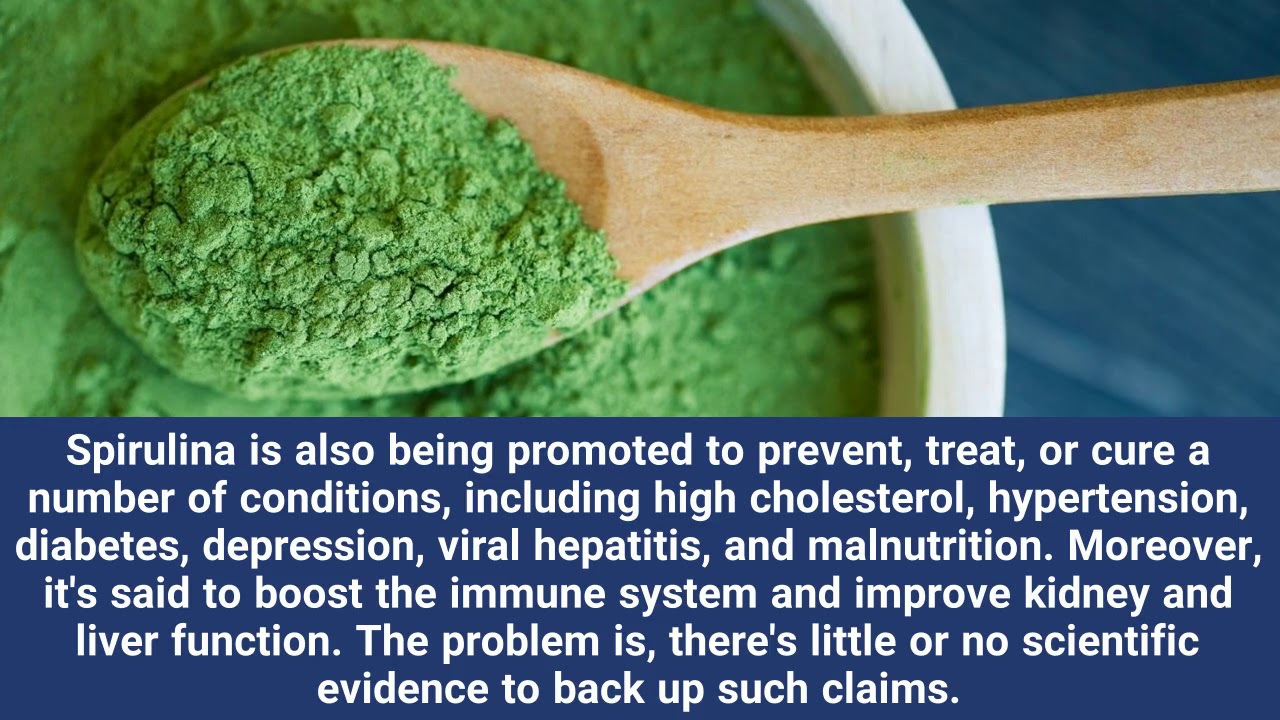
If claims for spirulina were limited to its high (albeit expensive) nutritional content, we would have fewer concerns about it. But spirulina is also being promoted to prevent, treat, or cure a number of conditions, including high cholesterol, hypertension, diabetes, depression, viral hepatitis, and malnutrition. Moreover, it’s said to boost the immune system and improve kidney and liver function. The problem is, there’s little or no scientific evidence to back up such claims. A few assertions have been tested, but most trials have been small, poorly designed, or inconclusive.
Does Spirulina work?
The NIH says there is not enough scientific evidence to determine if Spirulina is effective in treating any health conditions. However, Spirulina is rich in nutrients, some of which aren’t found in the average daily vitamin. According to the FDA, Spirulina contains significant amounts of calcium, niacin, potassium, magnesium, B vitamins and iron. It also has essential amino acids (compounds that are the building blocks of proteins). In fact, protein makes up about 60 to 70 percent of Spirulina’s dry weight.