Doctors routinely check whether breast cancer has spread to lymph nodes in the armpit (axillary lymph nodes), as this information plays a crucial role in determining the most appropriate treatment.
The research, published in the journal Cancers, focuses on fine needle aspiration (FNA), a minimally invasive technique in which a thin needle is used to collect a small sample of cells from lymph nodes. FNA is already used before surgery to assess whether cancer cells are present in axillary lymph nodes.
The study shows that these same small samples can also be used to analyse immune cells within the lymph nodes, offering a potential new way to assess disease risk and tailor treatment.
While lymph node assessments traditionally focus on whether tumour cells are present, lymph nodes are also key hubs of immune activity. Understanding how immune cells behave in these nodes could reveal how the body is responding to cancer and how advanced the disease may be.
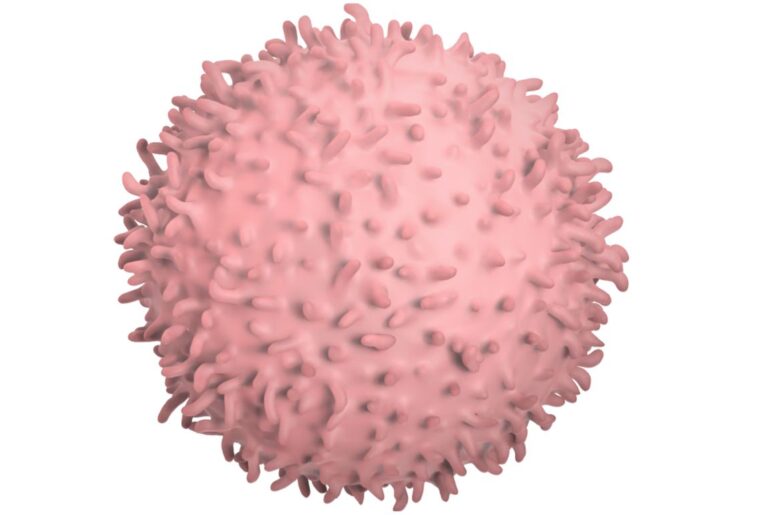
In this study, researchers optimised FNA to profile tumour-free axillary lymph nodes from people with breast cancer. Despite the very small size of the samples, they were able to identify a wide range of immune cells, including common cells such as T cells, as well as rarer populations that play important roles in immune defence.
The mix of immune cells found in the lymph nodes appeared to reflect how much cancer was present elsewhere in the axillary lymph node chain. This suggests that immune profiling using FNA could provide indirect information about tumour burden, even when the sampled lymph node itself does not contain cancer cells.
One of the key strengths of the approach is that it does not require new or invasive procedures. Radiologists already use FNA in routine pre-operative care to assess lymph nodes for cancer spread.
The researchers emphasise that larger studies will be needed to confirm whether immune profiling using FNA can reliably predict cancer spread and patient outcomes.
However, the findings suggest that this approach could help distinguish between patients at higher or lower risk of further cancer spread, supporting more personalised treatment decisions and potentially sparing some patients from unnecessary surgery.