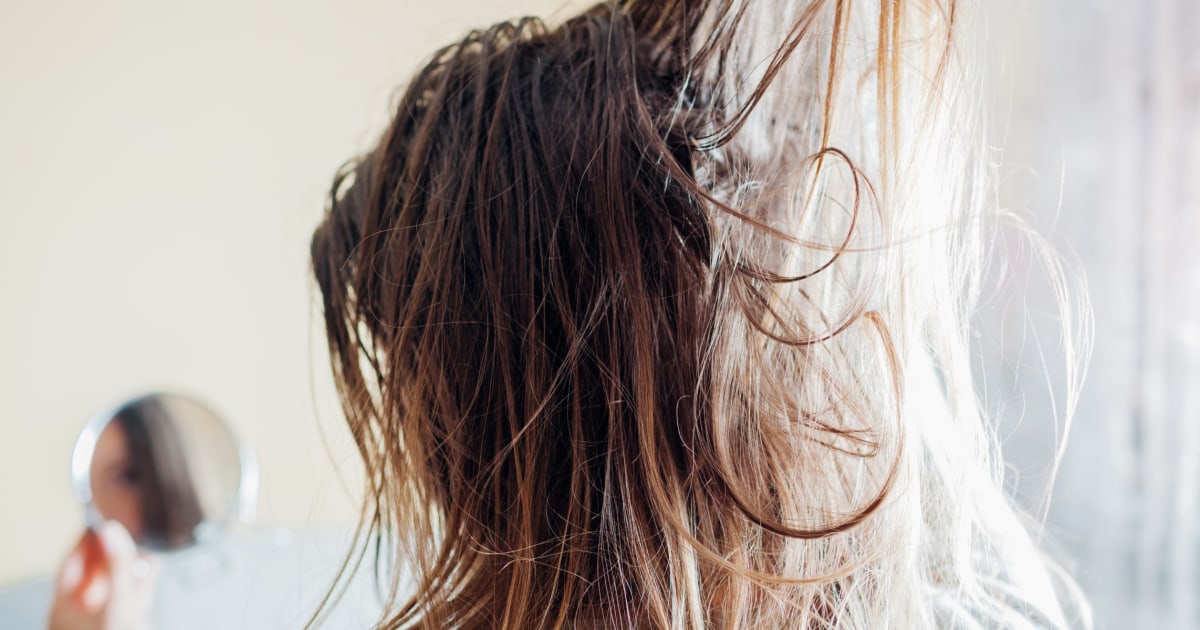
If your hair always seems to look and feel greasy no matter how much you wash it, you’re not alone. It’s a common struggle with plenty of potential culprits, including your hair and scalp type, hormones and genetics. “Oily hair is often misunderstood as a hygiene issue, when it’s really about scalp biology,” says board-certified trichologist Aga Tompkins. “Oil itself isn’t bad, it’s actually essential for a healthy scalp.”
To learn more, I spoke to three trichologists and dermatologists about common causes, treatments and misconceptions around greasy hair. I also rounded up their product recommendations that can help clean your hair without stripping it, plus NBC Select staff-favorite treatments.
How I picked the best greasy hair treatments
To choose the best products that’ll help keep your hair less oily (and potentially reduce the time between washes), the trichologists I spoke to recommend considering the following factors:
Ingredients: Look for a shampoo that has niacinamide and tea tree oil to regulate sebum, as well as beta hydroxy acids (like salicylic acid) or alpha hydroxy acids (glycolic and lactic acid) to gently exfoliate your scalp, regulate oil and keep follicles clear without triggering rebound oil production, says Tompkins. Surfactants like sulfates might be good for those with oily hair because they grab onto and whisk away dirt and oil, experts say. However, they do strip your scalp of natural oils and can cause dryness and irritation, so use in moderation, Product type: Those with oily hair should use an exfoliating, scalp-balancing shampoo and a lightweight, volume-enhancing conditioner. (Only apply the conditioner to your ends to avoid weighing down your hair.) Once a week, use a clarifying shampoo to remove product and oil buildup, and a dry shampoo in between washes to prevent greasy, limp hair. If volume is a concern, separate scalp needs from strand needs. “The shampoo you choose should always be based on your scalp type to properly regulate oil and maintain balance, while the conditioner should be chosen based on what the hair strands need,” says Tompkins.
Want more from NBC Select? Sign up for our newsletter, The Selection, and shop smarter.
Tested and reviewed: the best products for greasy hairBest clarifying shampoo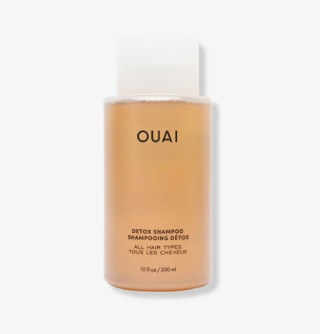
Key ingredients: apple cider vinegar | Recommended frequency by brand: 1-2 times a week
What we like
Suitable for all hair typesStrengtheningAdds shine, tames frizz
This clarifying shampoo is a favorite of NBC Select reporter Zoe Malin, who uses it once a week to prevent her hair from looking weighed down after using various hair care products. It’s gentle, hydrating and leaves the scalp clean, says Malin. The shampoo is suitable for all hair colors, types and textures, and it has hydrolyzed keratin to help reduce frizz and add shine, according to the brand.
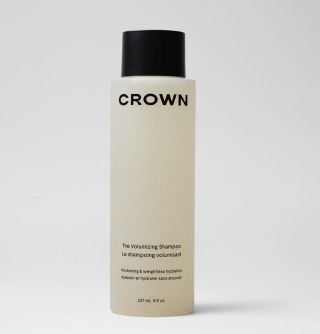
What we like
Gel textureSafe for color-treated hairReduces breakage
Something to note
May be hard to squeeze out
This is one of our favorite shampoos for fine hair, specifically for those with oily scalps. It has coconut-based surfactants and rice protein to remove buildup, add volume and leave your hair looking thicker and hydrated, according to the brand.
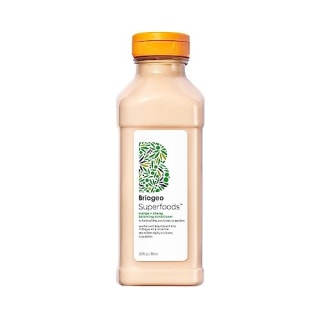
What we like
LightweightSmells greatSilicone-free
When you have oily hair, the conditioner you use is just as important as your shampoo. You should reach for a conditioner that’s lightweight and won’t weigh down your hair. For my fine hair, I use this one from Briogeo, which actually manages to add volume and reduce frizz. It’s my favorite conditioner to use on days when my hair feels exceptionally limp and lifeless.
What we like
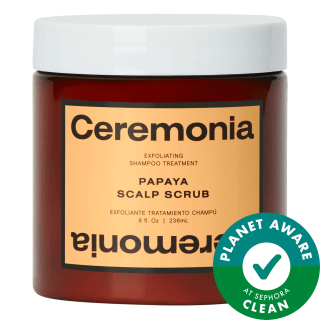
Gently exfoliatesSmells greatA little goes a long way
I have very fine hair, which means my hair usually gets greasy the day after washing. However, since starting to use this scalp scrub a few months ago, I’ve noticed a major difference in how often I need to wash my hair. It’s exfoliating, so it removes buildup and dirt, but it’s gentle enough to not strip my scalp and keep it feeling both healthy and clean. I use it in place of my shampoo once a week, which is the perfect amount to prevent my scalp and hair from drying out. Plus, it smells amazing.
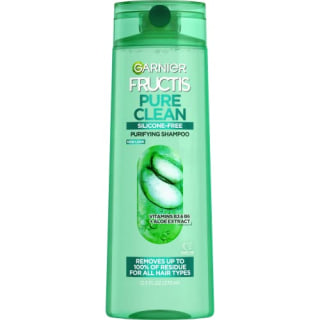
Active ingredients: salicylic acid, niacinamide
What we like
Gentle on hairHydrates hair
Something to note
Can leave scalp feeling dry
Board-certified dermatologist Dr. Hadley King recommends this shampoo for those with oily hair because it has salicylic acid to exfoliate your scalp and remove buildup. It also has niacinamide, which helps support scalp health, plus glycerin and aloe, which hydrates and soothes the scalp, says King.
What we like
Strengthens hairReduces frizz and adds shineImproves dullness
Something to note
Nothing to note at this time
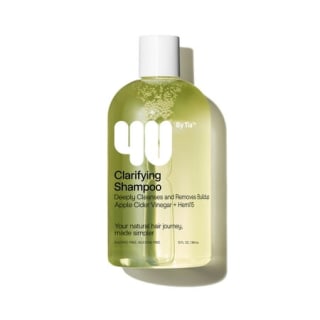
NBC Select editorial projects manager Rebecca Rodriguez recommends this clarifying shampoo if you have textured hair, relaxed hair or a protective style. It has apple cider vinegar, hemisqualane (a silicone alternative) and sea moss extract to remove build-up, prevent breakage and define your curls, according to the brand.
What we like
Affordable price pointLots of formula optionsWidely available
Something to note
Can leave hair stiffShake before use
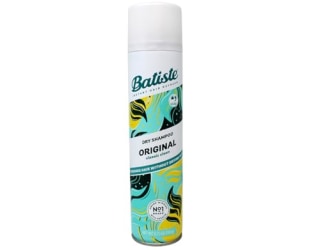
If you need to extend the amount of time between washes, consider this Batiste dry shampoo, which is another one of my favorite hair care products. It’s light enough to not weigh down my hair and absorbs grease better than most options I’ve tried in the past. Plus, it leaves very minimal white residue on my dark hair and it’s easy to shake or comb out, in my experience. If you worry about it not blending well, it also comes in dark brown and blonde.
The most common cause is overactive sebaceous glands on the scalp, which produce excess oil (called sebum) to protect your hair and skin, according to the experts I spoke to. What triggers overactive sebaceous glands? Genetics can play a major role: Some people have a skin condition called seborrhea dermatitis, which means they are predisposed to higher oil production than others, says Tompkins. Hormonal fluctuations, stress and lifestyle habits (like frequent touching or brushing your hair) can also have a part in how fast oil spreads from your scalp down the hair shaft, says Sara Hallajian, a trichologist and founder of Ame Salon in Santa Monica, California.
If you notice that your hair gets greasier more quickly than others, your hair type may be the culprit. “Those with fine hair tend to show oil more quickly because there’s less surface area and cuticle layer to absorb it,” says Hallajian.
Can over-washing make greasy hair worse?
Yes, if you use harsh or stripping formulas. “The issue isn’t washing itself, but the ingredients,” says Tompkins. When you over-wash, you strip your scalp of its natural oils, and the scalp may respond by producing more oil to protect itself, she says. Harsh ingredients include drying alcohols (like isopropyl alcohol, which is common in many hair care products) and parabens (preservatives that can throw off your scalp’s oil production). Frequent washing with gentle products, on the other hand, helps regulate oil rather than stimulate excess production, says Tompkins.
How do you treat and prevent greasy hair?
The goal is to not over-cleanse and instead use products that gently remove buildup, says Tompkins. “Treating oily hair is less about ‘drying it out’ and more about balancing and regulating scalp function,” says Hallajian. In addition to ingredients that reduce oil production like niacinamide, glycolic acid and lactic acid, consider the following expert-recommended tips:
Avoid heavy conditioners or oils. Using styling products that are too heavy for your hair type and texture will make your hair look more oily. That includes conditioning hair masks, which can weigh down your hair.Use a clarifying shampoo once a week to remove buildup. Clarifying shampoos have heavier surfactants (cleansing agents that create a lather), which help remove oils from the scalp that normal shampoos aren’t strong enough to remove, experts say. But keep in mind that overusing a clarifying shampoo can strip too much oil from your hair and leave it dry and brittle.Focus on proper nutrition and control your stress. These are major factors that can throw off your scalp health, says Hallajian.Frequently asked questions
How often should you wash your hair?
There’s no universal schedule when it comes to how often you should wash your hair, experts say. “Some people may need to cleanse daily, while others do well every other day,” says Tompkins. The frequency depends on your scalp type, lifestyle and the products you use. For example, if you go to the gym and sweat everyday, you may need to wash more frequently (like every other day).
However, when you use a shampoo that’s made for oily scalps, you can wash more frequently (like every day) without disrupting your scalp’s balance.
Can you train your hair to be less oily over time?
You won’t be able to train your sebaceous glands to produce less oil, especially if the cause is hormonally or genetically driven. “Skipping washes alone rarely fixes oiliness and often makes it worse,” says Hallajian.
Do the causes of greasy hair vary between men and women?
The root cause for greasy hair is similar for both men and women, but hormones can influence oil production differently. “Androgens, like testosterone, stimulate sebaceous glands, which is why men may experience oilier scalps overall,” says Hallajian. “Women often notice changes tied to menstrual cycles, pregnancy, postpartum shifts or perimenopause.”
When should you see a dermatologist?
If your oily hair is paired with itching, redness, flaking, scalp odor, inflammation or hair shedding, it may be a sign of an underlying condition like seborrheic dermatitis, hormonal imbalance, metabolic or inflammatory issues, says Hallajian. In those cases, you should see a professional for a scalp evaluation and/or medical referral.
At NBC Select, we work with experts who have specialized knowledge and authority based on relevant training and/or experience. We also take steps to ensure all expert advice and recommendations are made independently and without undisclosed financial conflicts of interest.
Aga Tompkins is a board-certified trichologist and the director of style services and education at Nutrire.Sara Hallajian is a trichologist and the founder of Ame Salon in Santa Monica, California.Dr. Hadley King is a board-certified dermatologist at her own private practice in New York City.Why trust NBC Select?
I’m an updates editor at NBC Select who covers beauty and personal care. I have very fine hair, and have been on the hunt for the best products to add volume, combat oil and keep frizz at bay for years. For this article, I interviewed three hair experts about what causes greasy hair and how to treat it.
Catch up on NBC Select’s in-depth coverage of tech and tools, wellness and more, and follow us on Facebook, Instagram, Twitter and TikTok to stay up to date.