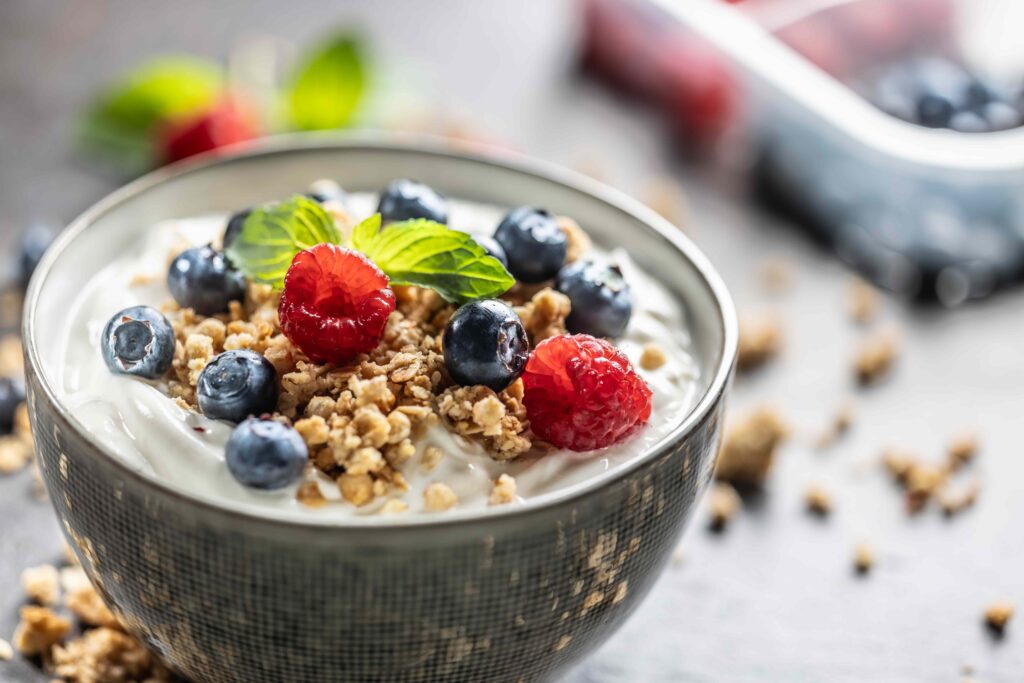
From yogurt and kefir to miso and pickles, many foods naturally contain probiotics—microorganisms such as bacteria and yeast that may offer health benefits, including support for gut and immune health. But is there a best time to eat probiotics to reap their benefits? Here’s what to know.
While the benefits of probiotic foods have been well studied, there’s little research on whether there’s an ideal time of day to eat them. That may be because, “as a general rule,” consistency matters more than timing, said gastroenterologist Supriya Rao, MD.
“Probiotic-rich foods work by regularly introducing beneficial bacteria into your gut, and that only happens when you’re eating them often, not occasionally,” Rao said. “Think of probiotic foods as something you weave into your daily routine, not something you try to optimize by the hour.”
Still, while the exact time of day might not matter, eating probiotic foods with other foods does. Adding probiotics to a meal may help buffer stomach acid, which OSF Healthcare gastroenterologist Omar Khokar, MD, explained allows more of the beneficial bacteria to reach the small bowel, maximizing their effects. The gut is where 70% of the immune system “camps out,” Khokar said, so “a healthier gut equals better nutrient absorption and fewer immune breakdowns.”
Timing may also matter if you take certain medications, such as antibiotics or acid-suppressing drugs. In those cases, Khokhar advised spacing probiotic foods and medications by about three hours to reduce the risk of interactions.
Beyond timing, one way to maximize the benefits of probiotic foods is to pair them with foods containing prebiotics, the fiber that feeds live, beneficial bacteria, said Bradee Rojas, MS, RDN, CDCES, program coordinator for metabolic and bariatric surgery at Inspira Health. Foods rich in prebiotics include asparagus, oats, apples, and garlic, she said.
Rojas also emphasized the importance of an overall balanced diet filled with vegetables, fruits, whole grains, nuts, and seeds. Without that foundation, probiotics alone do little to maintain the diversity of the microbiome, the community of microorganisms in the digestive tract. In fact, a lack of dietary diversity or a diet high in ultra-processed foods, added sugars, and fats can disrupt the microbiome. “The processing of some foods can also damage the microbes in typically probiotic-rich foods,” she said.
Research also suggests that other lifestyle factors like stress, disrupted sleep, alcohol consumption, and drug use can reduce the effectiveness of probiotics. That’s why probiotics should be viewed within the broader context of overall health, Rao said.