When Kim Kardashian shouted out Dr. Dissapong Panithaporn, aka Dr. Joe, and his Bangkok aesthetic clinic, The Demis, to her 350 million Instagram followers last October, it felt like a tipping point. The endorsement sent Western beauty obsessives scrambling to Google and confirmed what industry insiders had long known: Thailand’s beauty and aesthetics industry is entering a breakout era.
With more than 6,600 government-registered aesthetic clinics, Thailand is now Asia’s second largest aesthetic medicine hub after South Korea, with the Thai Medical Hub Board forecasting that the market will be worth $7.51 billion by 2027. In the wake of South Korea’s “glow-up trip” boom, Thailand is increasingly positioned as the next destination of choice. Foreign patients now account for nearly 30% of The Demis’s clientele, up from just 10% two years ago, with demand expanding beyond Asia to Europe, the US, and the Middle East.
“Japan and South Korea have long been recognized as leading destinations for beauty and aesthetic medicine,” says Hiromi Yamaguchi, research manager at Euromonitor International. “However, Thailand has emerged as a powerhouse in medical tourism, accounting for 44% of total medical tourism in Asia-Pacific.” Cost competitiveness, strong healthcare infrastructure and its positioning as a holistic wellness destination all play a role. Many hospitals and clinics hold Joint Commission International accreditation, reinforcing Thailand’s reputation for quality and safety, too.
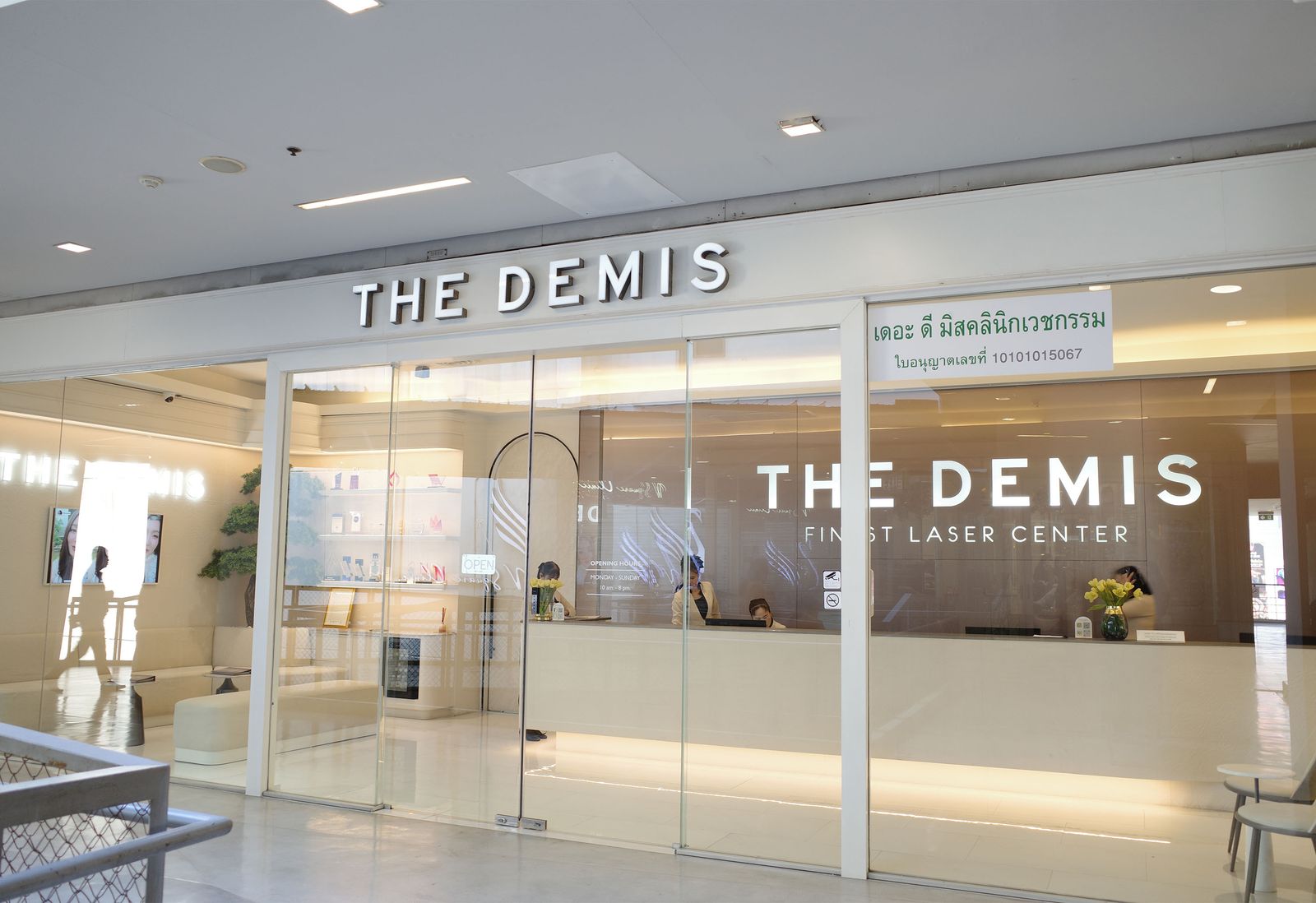
Cult-favorite clinic, The Demis is one of Bangkok’s 6,600 government-registered aesthetic clinics — and a favorite of Kim Kardashian.
Photo: Amy Francombe
Cultural capital is gaining momentum. Thai actors, including KinnPorsche stars Phakphum Romsaithong and Nattawin Wattanagitiphat, alongside pop figures such as Blackpink’s Lisa, have become increasingly influential on the global fashion circuit. During the Spring/Summer 2026 season, Thai talent dominated earned media value (EMV) rankings across the big four fashion capitals, accounting for six of the top 10 influencers, up from four the previous season. (EMV is calculated as $1 per Instagram like, across fashion week content.)
That visibility has helped globalize swai meiku, a distinctly Thai beauty code defined by luminous, bronzed skin, softly sculpted features, and polished soft glam. “Thailand is evolving from a trend follower to a trendsetter, developing a unique T-beauty identity that fuses global influences with local styles,” says Marian Pagulayan, researcher at market research firm Mintel. “Gen Z is leading this shift, increasingly supporting local brands inspired by global trends,” she adds, pointing to beauty players like Cathy Doll, Oriental Princess, and 4U2.
Still, unlike K-beauty, which has undergone full commercial integration into the West, Thai beauty has yet to break through at the same scale. The global dominance of Korean brands is so entrenched that Sephora recently inked a partnership with Olive Young, Seoul’s leading beauty department store, while retailers such as Cult Beauty offer dedicated K-beauty tabs as a permanent fixture of their assortments. Thai beauty remains largely absent from Western shelves, despite growing awareness of its clinics and stars. What will it take for T-beauty to become a truly global category?
What makes T-beauty distinct?
If K-beauty has been defined by innovation and technological advancement, T-beauty distinguishes itself through heritage and a holistic approach. Rooted in Thailand’s tropical climate and wellness traditions, it blends high-performance aesthetic medicine with herbal botanicals, natural oils, and an inside-out philosophy that treats beauty as preventative rather than corrective. Ingestible beauty is a core part of that equation: collagen drinks, vitamin C shots, functional jellies, and nutraceutical snacks are widely available across convenience stores, pharmacies, and clinics alike.