Fruits are naturally high in fiber, a nutrient that comes with a host of benefits for gut health, heart health, digestion and weight loss.
The plant-based carbohydrate can’t be digested, which is exactly what gives it superpowers as it moves through the body.
You may think of fiber as one single substance, but there are actually two types: Soluble fiber and insoluble fiber.
Both help you feel full, but each has special benefits, says Lisa Young, Ph.D., a registered dietitian and adjunct professor of nutrition at New York University.
“Having any kind of fiber is always good because it’s found in mostly fruits, vegetables, whole grains, beans — healthy foods,” Young, who is the author of “Finally Full, Finally Slim,” tells TODAY.com.
“So when you eat more fiber, you eat less of something else,” that’s less healthy, she adds.
Insoluble fiber doesn’t dissolve in water, which helps to move food through the digestive system and relieves constipation.
Soluble Fiber Benefits
Soluble fiber, on the other hand, dissolves in water and forms a gel-like substance in the gut. This goo binds to cholesterol and its precursors, which helps to prevent the digestive tract from absorbing it, Young notes. The trapped cholesterol is excreted in a bowel movement, naturally lowering levels in the body.
“(Soluble fiber) it really has a very big role in heart health because it lowers your LDL cholesterol,” she adds.
The gel-like substance also slows down digestion, helping to support healthy blood sugar levels. This means that fiber can help prevent diabetes or aid people in managing the disease, according to the Centers for Disease Control and Prevention.
“You want slow digestion because you want the blood sugar to stay steady,” Young says, adding that this can help with weight loss.
“It prevents that hunger and it forms that gel, so that’s going to help a little bit more with satiety.”
Whole fruit usually contains both types of fiber, she notes. She advises drinking plenty of water for each to work effectively.
Adults should eat a daily total of 25 to 38 grams of fiber.
To lower cholesterol, the National Lipid Association recommends eating 5 to 10 grams of soluble fiber daily.
Here are nine fruits highest in soluble fiber:
Apricots4 apricots, 1.8 grams of soluble fiber
Apricots are low in calories but high in antioxidants, including vitamin C, vitamin E and beta-carotene.
They also contain lutein and zeaxanthin, compounds that support eye health.
Apricots make the list of fruits with the most protein and iron.
Orange1 orange, 1.8 grams of soluble fiber
This vitamin C star makes winter a little more colorful and provides sweetness and hydration.
“Oranges are also a good source of potassium, a mineral that works to regulate blood pressure and fluid balance within the body,” says registered dietitian Natalie Rizzo, nutrition editor for TODAY.
Oranges make the list of fruits with the most calcium.
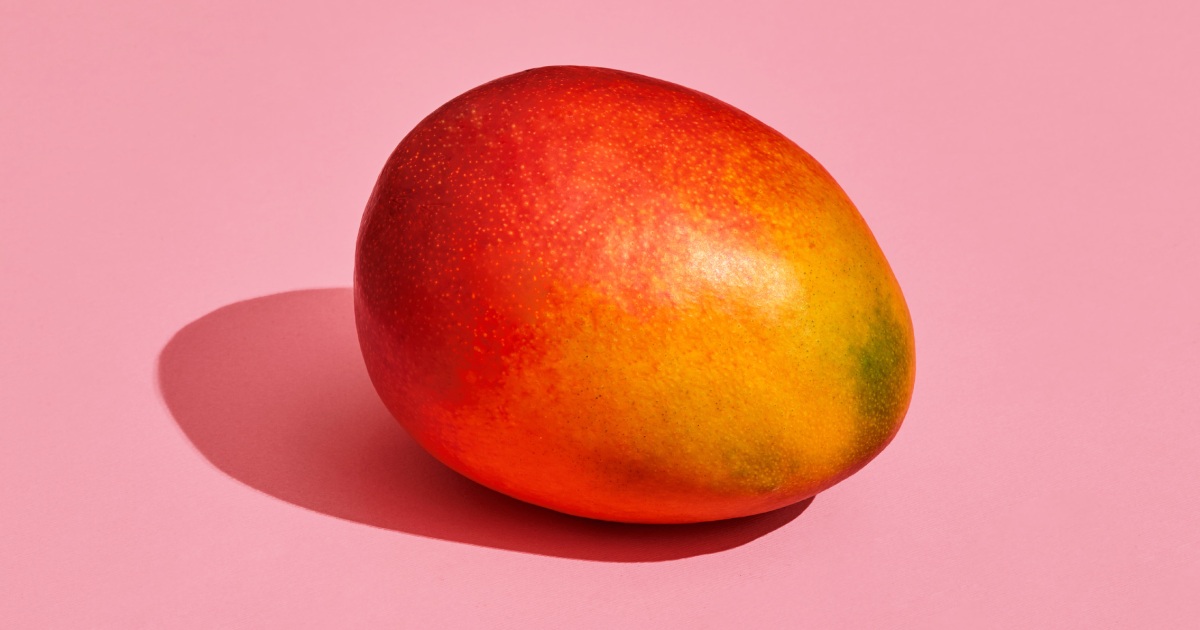
Mango½ mango, 1.8 grams of soluble fiber
“One of the things I really like about mango is that it is high in soluble fiber. A lot of fruit has fiber in it, but mango specifically has soluble fiber,” Sarah Rivenburgh, a registered dietitian at OhioHealth, previously told TODAY.com.
One cup of mango also provides 67% of the recommended daily value of vitamin C.
Dried Figs¼ cup of dried figs, 1.4 grams of soluble fiber
This fruit, which has long been part of the Mediterranean diet, is prized for its sweet flesh and tiny seeds that provide a “subtle crunch,” researchers note. The combination makes a satisfying snack.
Figs are among fruits highest in natural sugar for healthy energy.
Strawberries1 cup of strawberries, 1.1 grams of soluble fiber
One of the healthiest berries, this fruit has more vitamin C than an orange. Strawberries are the symbol of summer, but the frozen ones are as healthy as fresh ones, available in winter and typically more affordable.
Dietitians recommend eating eight strawberries a day, which counts as a one-cup serving.
Grapefruit½ grapefruit, 1.1 grams of soluble fiber
Famously juicy and tangy, grapefruit joins oranges as a favorite citrus fruit that’s in season in winter.
Dietitians recommend eating the membranes separating each segment because they’re rich in pectin, a soluble fiber.
Pear½ pear, 1.1 grams of soluble fiber
Rizzo says pears are her “secret weapon” for meeting fiber goals.
She recommends taking one to work as a snack, adding a chopped pear to a salad or grain bowl for some sweetness, or roasting one in the oven to bring out the natural sugar.
Eat pears with the skin to get the full dose of fiber and antioxidants.
Plum2 red plums, 1.1 grams of soluble fiber
Plums are a good source of potassium and magnesium, and their deep color signals the presence of beneficial plant compounds, including antioxidants.
They’re versatile when it comes to preparation methods. Plums can be grilled, poached, roasted, and, of course, eaten raw.
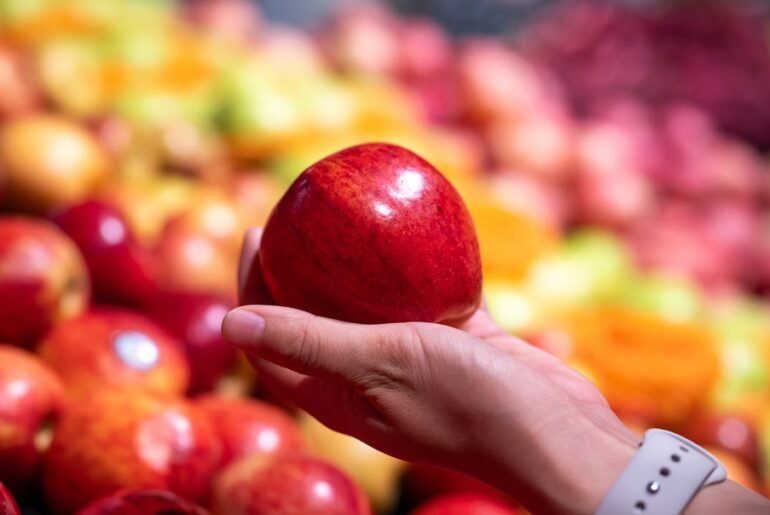
Apple1 apple, 1 gram of soluble fiber
Perhaps nature’s ideal snack, an apple provides nutrients, hydration and satiety in a self-contained package.
The fruit shows benefits for heart health, diabetes, cancer, gut health, weight loss and inflammation, Rizzo notes.