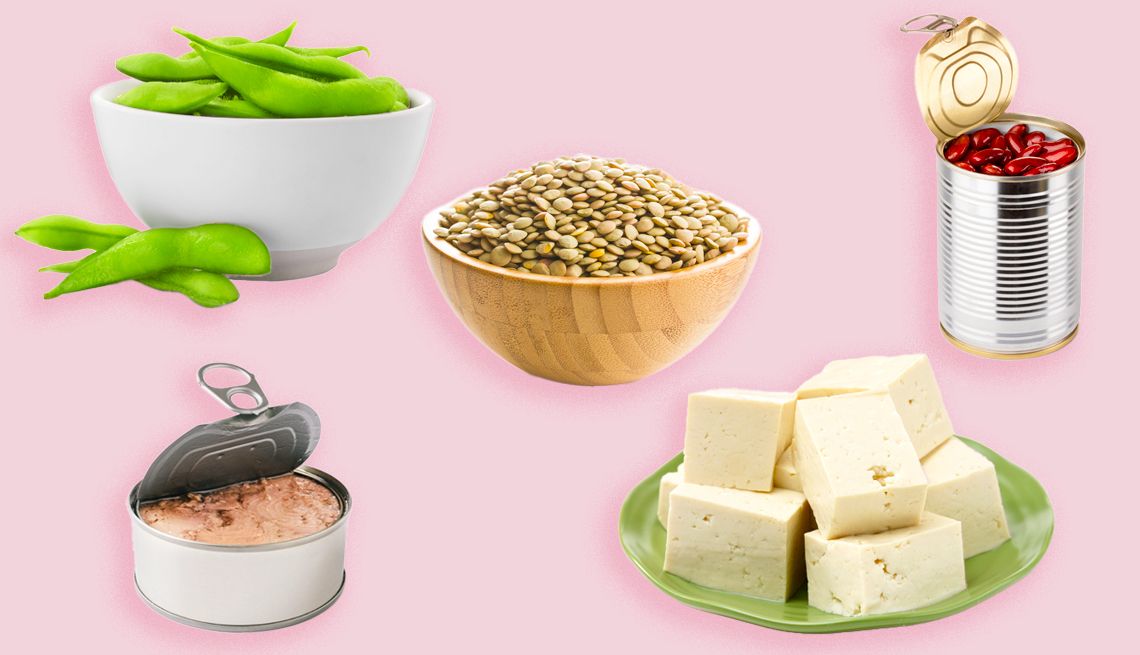
1. Lentils. Cheap and nutritious, lentils are part of the diet of cultures around the world. They’re a nutrition-packed, versatile ingredient for stews, soups and salads. Indian cookbooks usually include recipes for dals. French or Spanish cookbooks have recipes for sausage and lentils. “Beans or lentils [are] going to still provide you with the protein you need,” says Christine Ju, director of nutrition at the Capital Area Food Bank in Washington, D.C. Plus, they have more fiber, unlike animal proteins.
For those who avoid them because they can give them gas, Ardisson Korat says the good news is lentils don’t tend to have the same effect as beans. To decrease gassiness, he suggests rinsing them. Here is a recipe for rice and lentils and one for lentil soup made in a slow cooker. To find more ways to use lentils, check out the Washington State Department of Agriculture’s site.
2. Beans. Turn chickpeas into hummus or dress up a supermarket tub of hummus with fresh lemon, spices, herbs or chopped tomatoes. Kidney beans or black beans can be used to supplement or substitute for ground beef in chili. To get a complete protein, one of the best combinations is beans and rice, says Angel Planells, a registered dietitian in Seattle and a spokesperson for the Academy of Nutrition and Dietetics. Here, five chefs share their favorite white bean recipes. South Dakota State University has a comprehensive collection of bean recipes to download (including one for red kidney bean brownies).
3. Tofu. Tofu is made from soybeans. True, it’s tasteless, but that’s an opportunity to meld it into many dishes. Bring out some spices and sauces to marinate it in and it will be part of dishes both savory and spicy. It comes in different textures, from extra-firm to silken. “People definitely, based on mouthfeel, have preferences for each,” says Ju. Sauté some extra-firm tofu, which gives a bit of flavor and texture, and it becomes an easy protein to add to salads, says Korat. Ju says she crumbles the tofu with something like taco seasoning and then bakes it on a cookie sheet for 25 minutes. Another alternative is soft or silken tofu, which has a texture akin to custard. It can be incorporated into smoothies or soups. “Something I’ve been doing recently is just put a block of silken tofu into pasta sauce and use a hand blender to blend it up,” says Ju. You can find a few recipes here, and AARP Members can check out Pamela Anderson’s Buddha Bowls with Crispy Sesame Tofu.
4. Canned fish. Tinned fish has been undergoing a transformation into a luxury item with artfully designed packaging. But you don’t need expensive brands to get good protein. “Oftentimes, canned animal protein like tuna, salmon and sardines have over 20 grams of protein per serving, and they’re very versatile,” says Ju. “They also have the added benefit of offering omega-3’s.” Mix them with lemon and plain Greek yogurt and serve as a dip, add to a salad, or sauté and serve with vegetables and brown rice. North Dakota State University Extension has recipes here.
5. Eggs. While they spiked in price last year, prices have come down, and it’s possible to find some deals. “When I was back in nutrition school, they were considered the model protein because of their bioavailability and because they have all nine amino acids in the right proportions,” says Ju. Our bodies need amino acids to function properly, and an egg has just what we need in just the right proportions, she explains. Arkansas State University has recipes for frittatas and omelets on its website.
6. Grains. “While people don’t associate grains with protein, a bowl of oatmeal in the morning or a quinoa salad at lunch is going to contribute to your overall protein intake,” says Ju. Half a cup of uncooked oats has more than 5 grams of protein. Some grains — like farro, quinoa and millet — contain more protein than others, but all grains provide at least some protein.