Step into any suburban garage and you’ll see the relics of January resolutions that have fallen by the wayside. Whether it’s a piece of cardio equipment, a label maker, or a spiderweb-covered juicer, these items often stick around far longer than our motivation.
Each New Year can feel like the perfect time for dramatic and sweeping changes, but those big shifts don’t always stick, especially when we attempt several at once. In fact, research shows that small goals are far easier to reach than large ones. I’ve certainly found that the nutrition clients I’ve worked with have more success when they break large goals—like cooking healthy meals or exercising more—into smaller, actionable achievements that truly make them feel better. We talked to a couple of health experts to hear their ideas for some less intense ways to improve your health this year.
Add More Veggies to Basic Meals
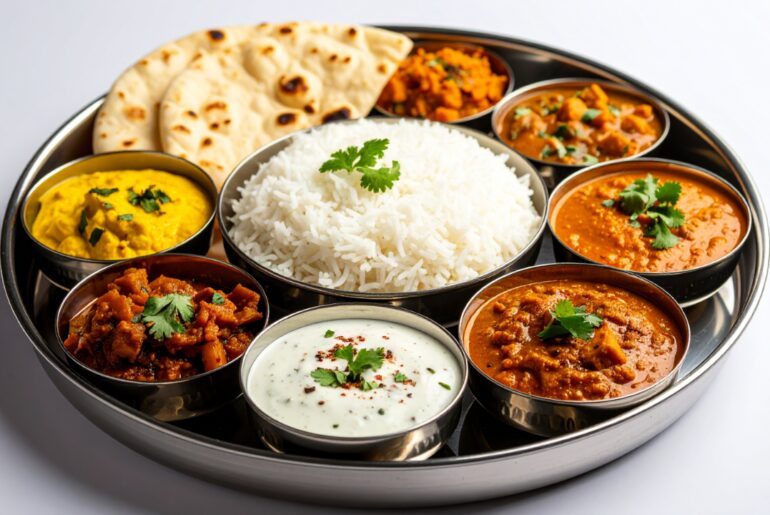
Maybe you happily stocked up on kale and broccoli at the start of the month, but those fresh veggies are now languishing in your refrigerator, just begging to be composted. Getting too ambitious with vegetables when you’re just trying to eat more can backfire. The name of the game is adding a little bit at a time, suggests Jessica Cording, dietitian, health coach, and author. She recommends trying super easy ideas like adding a handful of spinach to a smoothie, or adding riced cauliflower to your regular rice or even oatmeal. Love sandwiches? Bump up their health quotient quickly by adding a layer of thinly sliced cucumbers or bell peppers to your cheese and turkey on rye.
Do 5 Minutes of Deep Breathing Every Day
You can do pretty much anything for five minutes, and that small amount of deep breathing or meditation can be just enough to help shut down stress hormones and put the kibosh on stress eating, says Samantha Cassetty, MS, RD, nutrition and wellness expert. And if meditation isn’t your thing, check out these six practices that may work even better for you.
Pair Up Carbs With Protein or a Healthy Fat
If you find your energy levels plummeting off a cliff around 3 or 4 p.m., you may need to be more mindful of not just what you’re eating, but perhaps what you’re skipping. It’s smart to snack in the late afternoon for an energy boost, but grabbing only a granola bar or piece of fruit might leave you feeling hungry and lethargic soon after you eat it. In fact, Cording says she’s seen her clients struggle with late-night eating and compulsive snacking due to meals and snacks that aren’t filling enough. The gentle fix? Combining carbs that contain fiber with protein and fat for optimal fullness and stable blood sugar. This could look like an apple with two tablespoons of peanut (or almond) butter, or a slice of whole-grain toast with a schmear of avocado, plus a hard-boiled egg.
Have a Backup Plan
Clients have often told me they feel “in control” when their schedule is consistent, but when deadlines derail their healthy eating and meal prep plans, stress can take over and lead to less-than-great decisions around food and exercise.
Cassetty suggests having a backup meal you can keep on hand, like a frozen entree or soup for days when things go sideways. This should be something you actually enjoy eating that is nutritious and filling. “It reduces decision fatigue and makes it easier to eat a healthier meal, even when you’re pressed for time or when plans fall apart,” she says.
Take a Movement Break
For optimal health, we should all be getting 30 minutes of moderate exercise five days a week, according to the American College of Sports Medicine. But even shorter sessions of exercise have significant benefits.
A 10-minute walk after lunch or dinner (or both) can help improve digestion and blunt post-meal blood sugar spikes, Cassetty explains. “Light movement helps your muscles use glucose more efficiently and supports gut motility,” which may help you feel lighter and less bloated after meals. One study in healthy young women even found that a 10-minute walk taken right after a meal was just as effective at lowering blood glucose as a 30-minute walk. Start now with a 10-minute walk, and chances are that by the time the tulips appear in March, you’ll have worked up to a full half-hour passeggiata.
Be Kinder to Yourself
When we don’t achieve those New Year, New You goals, we often beat ourselves up for it—which only backfires. Using positive, self-affirming language like “I’m practicing” or “I’m choosing,” instead of “I should” or “I have to” helps support self-compassion, Cassetty says. New research backs that up, finding that when we treat ourselves in a supportive way, those healthy new habits are more likely to stick. You can do it!