Walking, it’s safe to say, has exploded in popularity over the past few years. Thanks in part to a brief worldwide hiatus (we’ll say no more), the humble act of putting one foot in front of the other has proven to be a lasting stalwart when it comes to boosting both physical health and mental wellbeing, too.
It helps that low-impact forms of exercise have never been more popular. Gone are the days of go-hard-or-go-home workouts; we know that, while HIIT has its benefits, more sustainable sweat sessions can also pay dividends.
But I’ll admit: I was once in the ‘walking isn’t a proper workout’ camp. Addicted to pushing my body as hard (and as often) as I could, simply strolling just didn’t seem to cut it. All that changed, however, once I hit 40. Slowly, I wasn’t seeing – or feeling – the same results from those high-intensity, high-impact workouts. I felt stressed out, achy and prone to injury: it was clear that something had to change.
And I’m not alone; there’s myriad reasons why our exercise needs and preferences evolve as we age. Studies show that high-intensity workouts cause levels of our stress hormone, cortisol, to spike – a side effect that’s even more noticeable in midlife, as fluctuating hormone levels leave us more susceptible to the effects of stress, which might be part of the reason my HIIT just wasn’t hitting like it used to.
So, when I was asked to try walking 12,000 steps a day, I was all in. Could a low-impact, mood-boosting daily stroll be the answer to my exercise conundrum, and would upping my ambles be the panacea for midlife that it’s claimed to be?
Anna Bartter
My honest thoughts after walking 12k steps a day
Full of enthusiasm for the challenge, I couldn’t wait to get started. I was brought back down to earth with a bump, however, when the reality of what I’d been asked to do became clear. Achieving my daily step count wasn’t going to be as simple as I’d hoped, and I’ll be honest: my first week was fairly unsuccessful. A combination of everyone being home for the Christmas holidays and coming down with the festive lurgy curtailed my attempts and I languished around the 8,000 to 9,000 steps mark, give or take a few steps.
After this less than auspicious start, it became clear I was going to have to actually think about how to get my steps in, rather than simply leaving it to chance. For me, this looked like walking to the supermarket rather than taking the car (bonus points for the strength session walking the heavy bags uphill home), walking to and from gym classes, and using my under-desk walking pad more than ever before.
Related Story
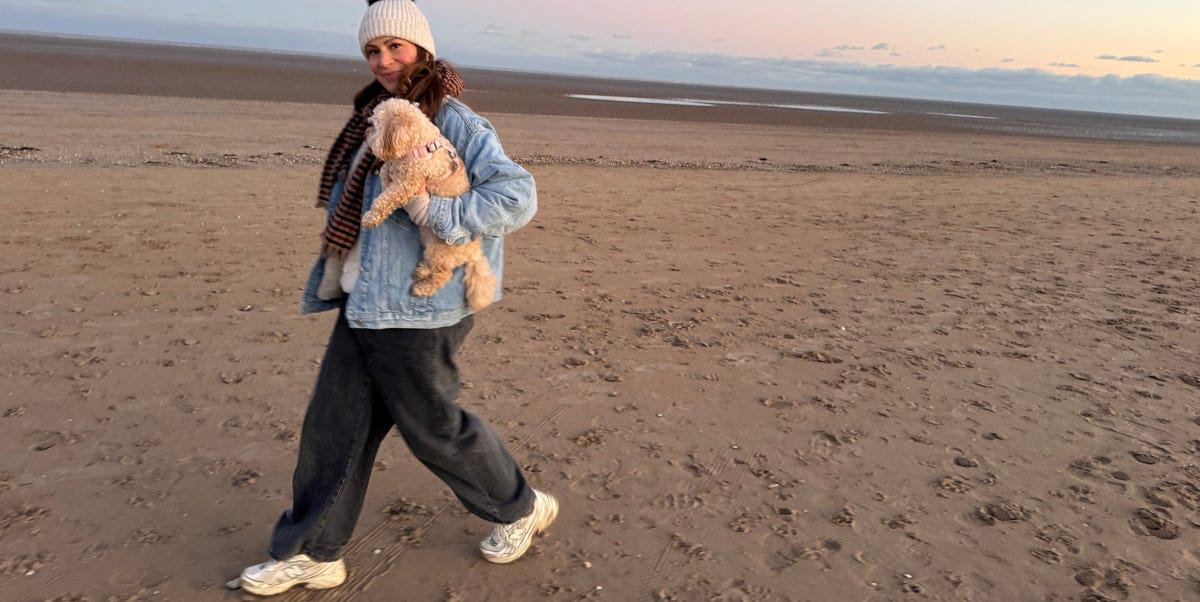
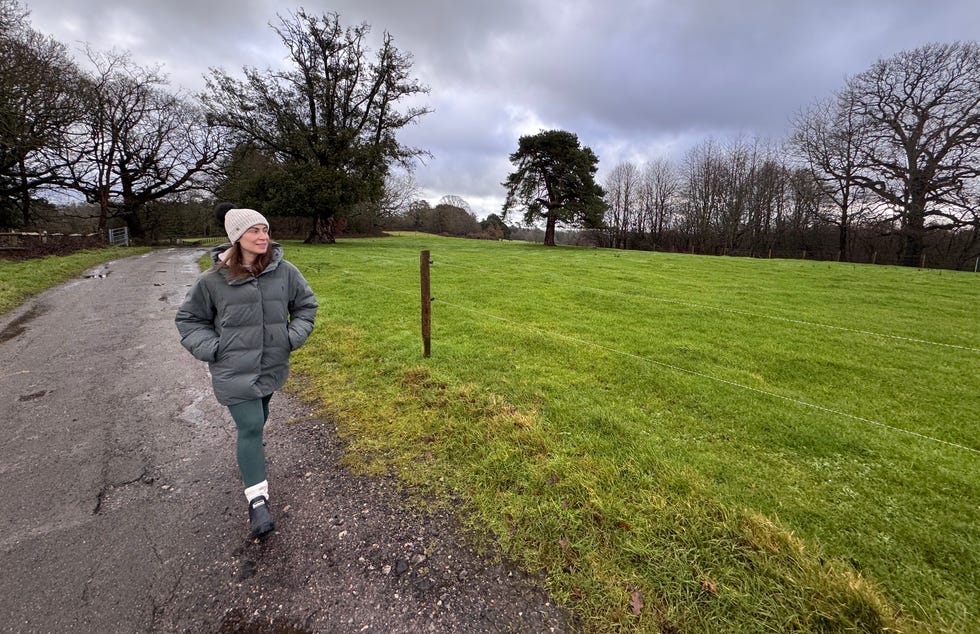
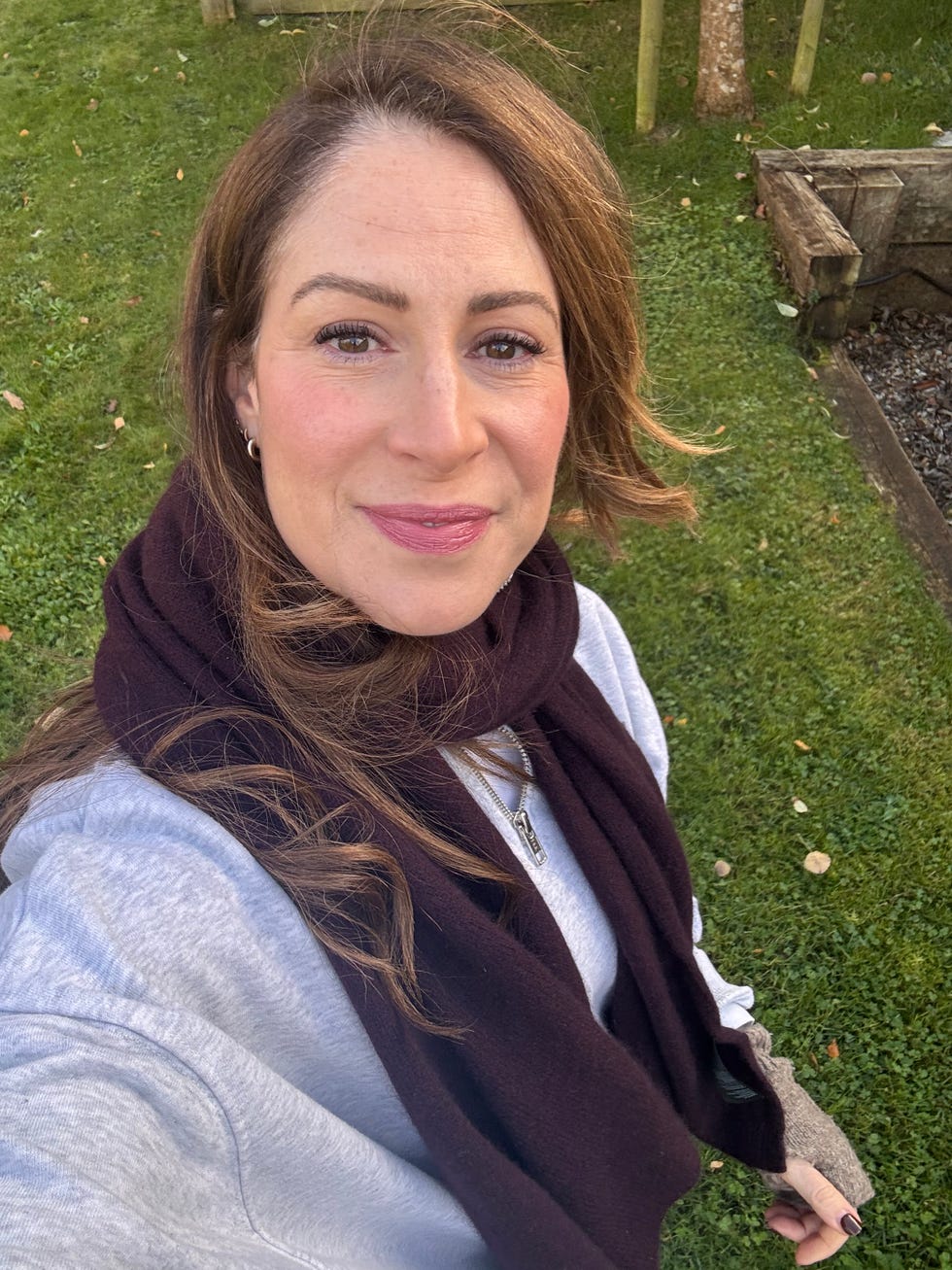
But as the days went by, I started to notice more than just how long it was all taking. On the days I made a concerted effort to go out for a long walk, I really started to feel the benefits. My mood lifted, my mind cleared and I, without doubt, returned home happier for having lugged on my wellies and got outside. And the science agrees: studies show that, in fact, so-called ‘green exercise’ boosts both mental and physical gains.
‘Walking is an incredibly powerful tool for your mood and can shift you out of a highly stressed state in just a few minutes,’ agrees personal trainer Edwina Jenner. ‘Even just a 10 to 20-minute walk can help – the fresh air and daylight can elevate you from feeling low to genuinely feeling far more positive about your day.’
Anna Bartter
And the benefits didn’t end there: as well as feeling calmer and more balanced, I definitely felt a sense of accomplishment when I’d ticked my steps off, further boosting my mental wellbeing.
All this said, walking isn’t a magic bullet, and (unless you’re a total beginner), the experts advise mixing your workouts up, and incorporating strength training a minimum of twice a week.
‘Walking is excellent for our heart health and is a great way to manage our stress, but our overall health will be in a much better place if strength training is also part of our weekly routine in midlife,’ advises Jenner. ‘From our mid-30s, we start to lose muscle mass and bone density – both of which accelerate with the hormonal shifts of perimenopause. It’s vital to incorporate strength work to protect our joint health and bones, as well as support our metabolic health, thereby improving our long-term health outcomes.’
While I was swiftly sold on the brain-boosting benefits of 12,000k steps a day, when it came to the physical benefits my progress stalled. Full disclosure: I didn’t notice any discernable difference in strength, fitness or endurance, even though I tried to incorporate hill walking and (on the advice of the experts) made sure I upped the intensity by speeding up my flatter walks, too.
As for my body composition, we know that walking can be a great starting point if you’re wanting to get more movement into your life for weight loss. However, I’m not one for weighing myself, preferring instead to assess how my body feels both in my clothes and in terms of my general wellbeing, and I felt, on the whole, pretty much the same as I always have.
I’m not a total novice, though. As a health and fitness writer, I’m pretty active on the daily, so if you were to up your daily steps to 12,000 from a standing start, you’d likely notice more results, if this is your aim.
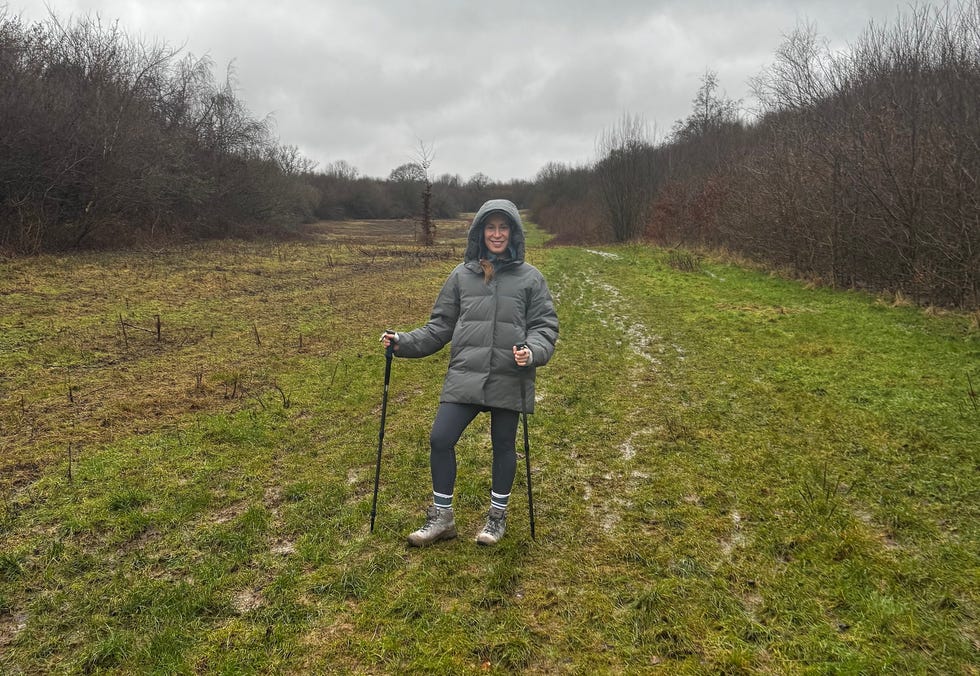
In terms of how well the walking fitted into my usual daily routine, I’d be lying if I said it wasn’t a struggle some days – and getting from 10,000 to 12,000 proved a real sticking point. Where usually, I’d bash out around 10,000 per day without so much as a second thought, I found I got a bit unstuck around the 10,500 mark; achieving a daily total of upwards of 12,000 took a little effort. Not to mention, this month’s weather has really not been kind!
Anna Bartter
The expert view
So, I asked the experts whether there is an ideal number of steps we should all be aiming for, and they all agreed that, in midlife when life is hectic as it is, consistency really does trump perfection – and intensity matters.
‘In reality, there is no “magic number” when it comes to steps, the most important things are intensity and consistency,’ advises Eryn Barber, personal trainer at The Fitness Group. ‘When it comes to intensity, walking at a pace that elevates your heart rate is the aim. You should still be able to talk but feel slightly breathless. For consistency, make sure you’re moving every day and try to increase the amount of walking you do incrementally each week.’
Importantly, though, don’t allow your step count to become (yet another) stick to beat yourself with, Jenner cautions. ‘I’m not a fan of rigid targets, because they often create pressure and a stop-start pattern,’ she says. ‘The best plan is the one you can actually repeat. Consistency beats perfection every time, and walking shouldn’t feel like another task you’re failing at.’
The bottom line
My biggest takeaway? Walk as much as you enjoy, but chasing steps might not be a goal worth your time.
5 simple ways to up your daily step count1/ Habit stack
As a busy mum of three, I can’t always spend an hour (or more) of my day walking, so I tried adding some steps into my usual routine. This meant I walked rather than drove to the supermarket, to the gym and to my weekly Pilates class. Yes, it took a little longer, but the payoff was worth it.
2/ Start small
Like any big task, it can feel overwhelming to begin with. I coped by breaking the walking down into smaller, more achievable goals throughout the day rather than attempting to walk all 12,000 steps in one go. You’ll be surprised how many steps you rack up simply going about your day.
3/ Make it fun
Rather than meeting a friend for coffee, I suggested a walk (grabbing coffee en route, naturally!) This upped the fun factor and proved a winner both for my step count and my mental health.
4/ Rely on routine
We know that there are lots of metabolic benefits to be gained from walking after meals, so I tried to use this to my advantage and walk for 10 minutes after breakfast, lunch and dinner for the duration of the challenge. It might not seem like much, but I found this was enough to tick off those extra 2,000 steps much of the time.
5/ Just do 5 minutes
Think you don’t have any time in your day to walk? Try just doing five minutes – it’s a trick that’s always worked for me. The chances are, once your time is up, you’ll want to continue.
Related Stories