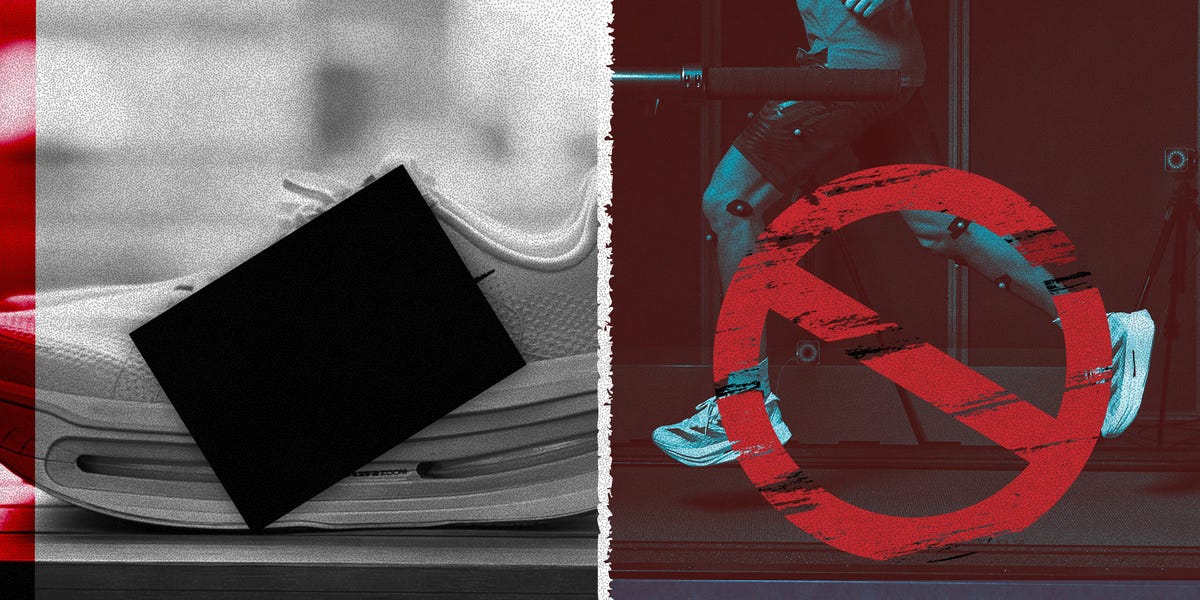
FOR THE VAST majority of people, there’s no such thing as an “illegal” shoe. But you wouldn’t know it from my social feeds, where a quick scroll serves videos of runfluencers hocking the term. They use it conspiratorially. One creator has an entire series of videos where he tests these “illegal” shoes against a range of other, ostensibly “legal,” shoes.
But there’s always something a bit off about the messaging here—and it’s driving me nuts.
Nerd out with me for a bit. Running shoes have blown up over the past half-decade—both literally and figuratively. On the one hand, the running boom has made sneakers more popular than ever. On the other, they’re literally getting taller. With each new model, midsoles have grown in the name of (alleged) improved efficiency.
It’s from that category that the “illegal” shoe emerges. And whose laws are they breaking? That would be World Athletics, the governing body of track and field. For road races—everything from a mile up to ultramarathons—it’s guidelines state that footwear can have a sole height no greater than 40 millimeters and have only one “rigid structure,” like carbon plates or rods.
Sneaker brands have mostly obeyed these guidelines for their premium racing products, while totally ignoring the rules for other models. Humble daily trainers have also beefed up. And it’s those shoes that many, many runners are wearing.
According to the Strava Year in Sport Report for 2025, the top three pairs of running shoes logged by users were:
All are daily trainers—and you’ll notice that only one is below the “legal” competitive limit. The “illegal” shoes aren’t contraband; they’re the beloved sneakers your uncle wears on a jog with his boys. Maybe you do, too. And that’s fine.
Even if you’re lacing up for a local 5K or a World Major Marathon event, the likelihood that you’ll be disqualified for “illegal” shoes is tiny. I ran the New York Half last year wearing the ASICS Superblast 2 (45 mm), and took on the Big Sur Marathon with a group outfitted in the Hoka Skyward X (48 mm) in 2024 without any issues. I know plenty of runners who can say the same. In practice, these rules are meant to apply to elite competitors—they even run in different heats. These runners are also drug tested—another thing normal participants don’t have to worry about.
Just in case, I checked in with New York Road Runners (NYRR), the organization behind the New York City Marathon (and the half I ran last year). Their rep confirmed that its major events apply the World Athletics rules. But, the org also considers violations on a case-by-case basis and that last year, NYRR didn’t disqualify anyone due to these rules.
That’s not to say pros haven’t been disqualified from running events for shoe-related infractions. Triathlons and Ironman events are also stricter in practice; Ironman lists specific shoe models that are banned from competition.
Even though I think the “illegal” terminology is mostly social media hype, that doesn’t mean you shouldn’t be smart about what shoes you’re wearing. High stacks can be unstable and will affect your gait, and they come with a learning curve.
“It’s an adjustment—it’s like getting braces on your teeth,” says Dr. Mark Mendeszoon, a board-certified podiatrist and surgeon at Precision Orthopaedic Specialties in Chardon, Ohio. “You have to learn slowly.”
Mendeszoon recommends breaking in new shoes by wearing them around the house, then focusing on cross training and recovery after you hit the road. “With all that foam and stack height, it’s going to kind of shorten your Achilles,” he says. “So work on Achilles flexibility and stretching afterwards.”
Basically, if you’re someone who needs to worry about “illegal” shoes, you likely already know. And you’re also probably not a runfluencer.
Our Picks for “Illegal” Shoes You’ll Love
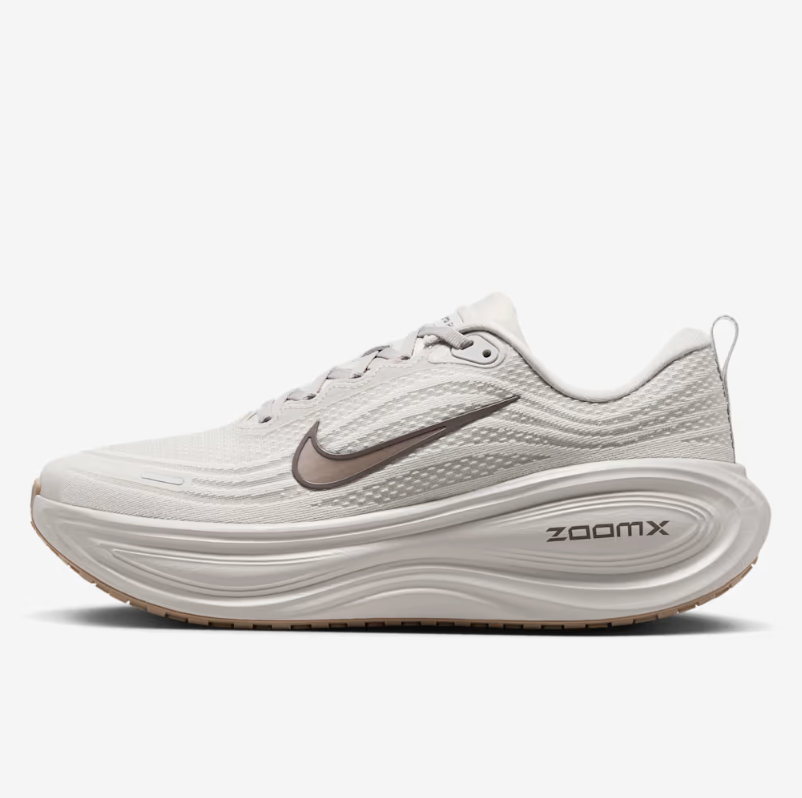
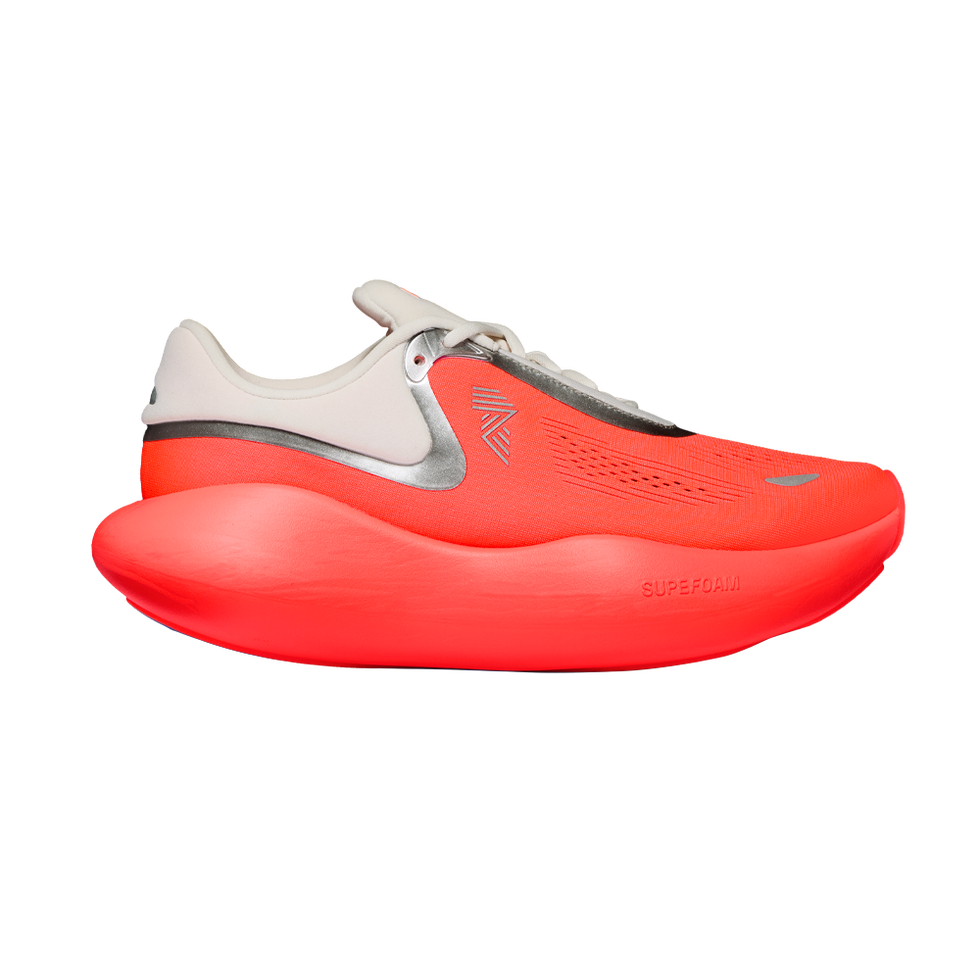
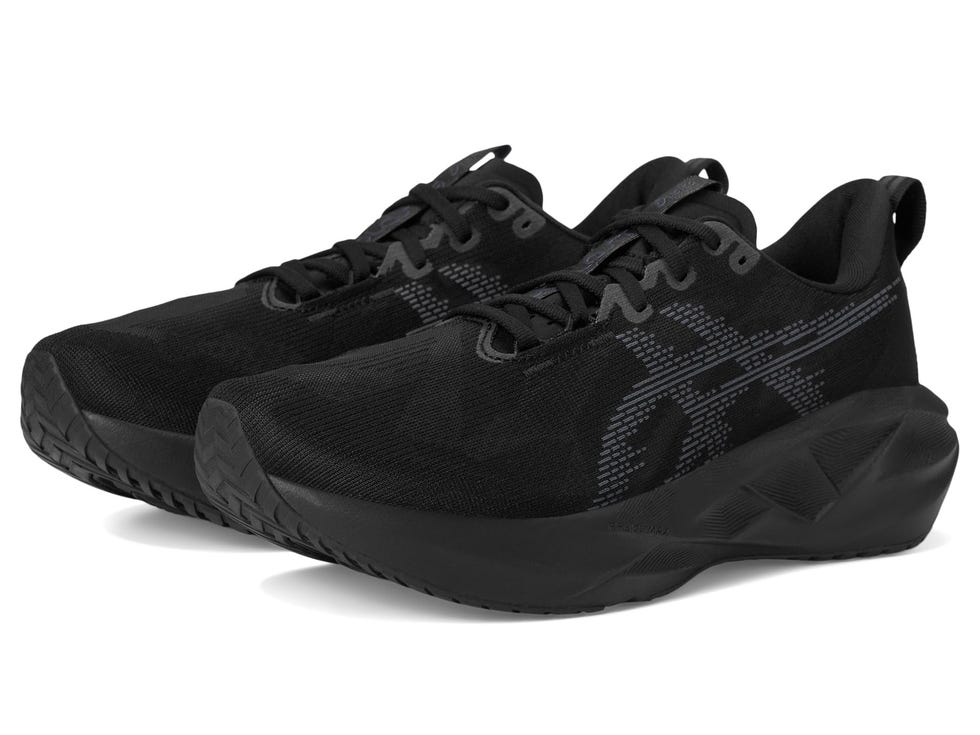
No, you won’t be caught red-footed wearing these shoes for almost any situation as a normal runner. Check out these go-to pairs of 41 mm (and above) running shoes. Just make sure to follow Mendeszoon’s advice and prep yourself accordingly.
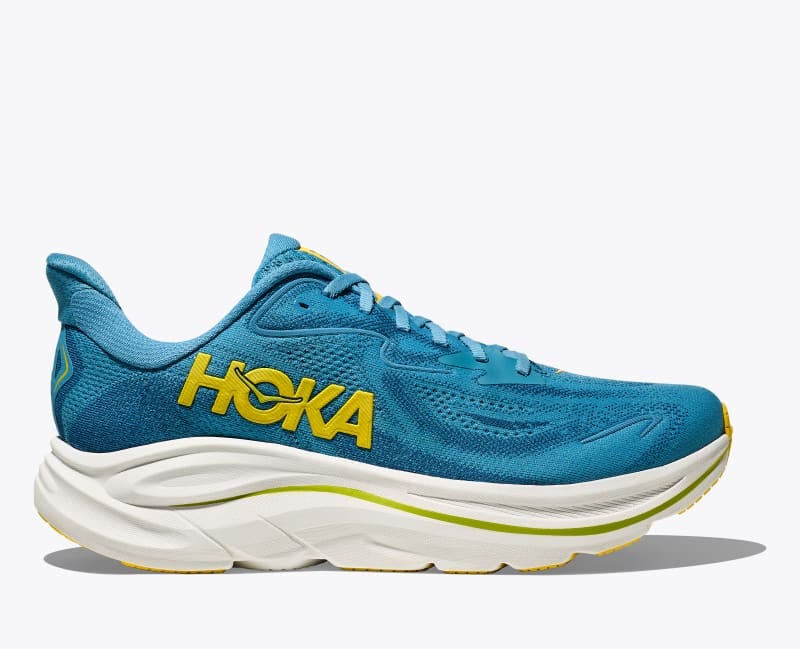
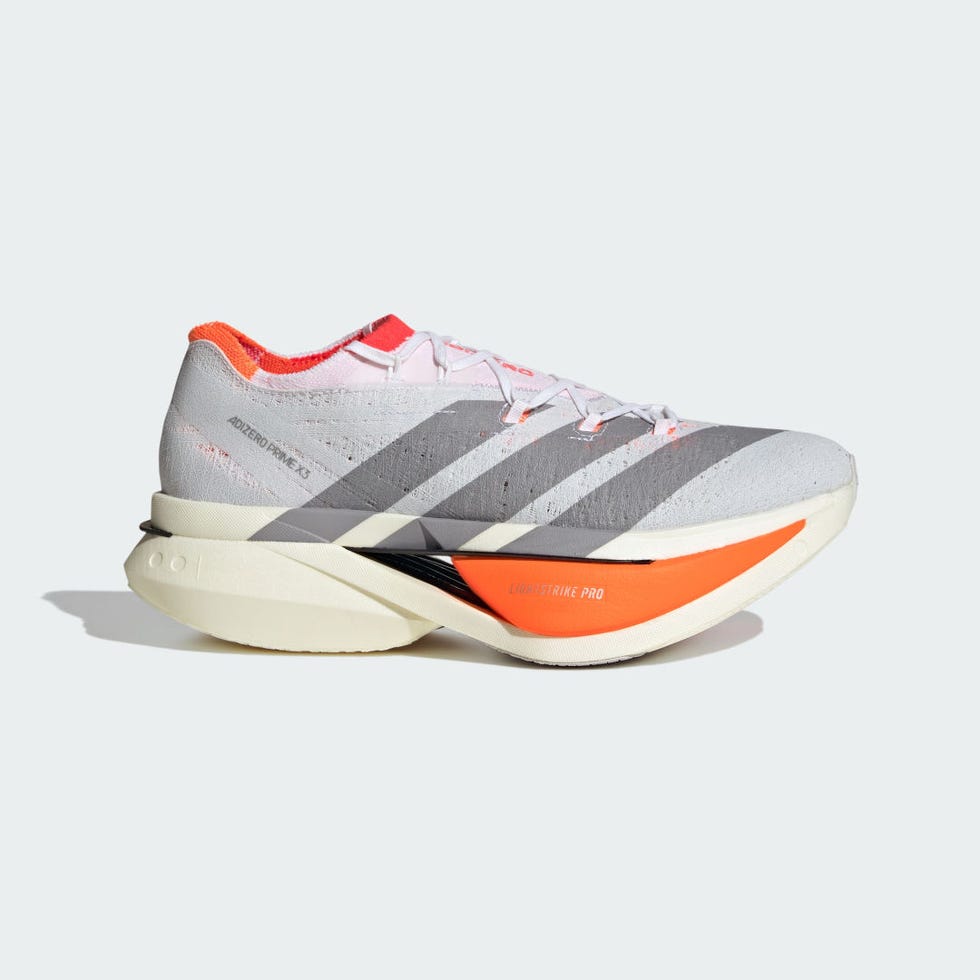 adidas Adizero Prime X3 Strung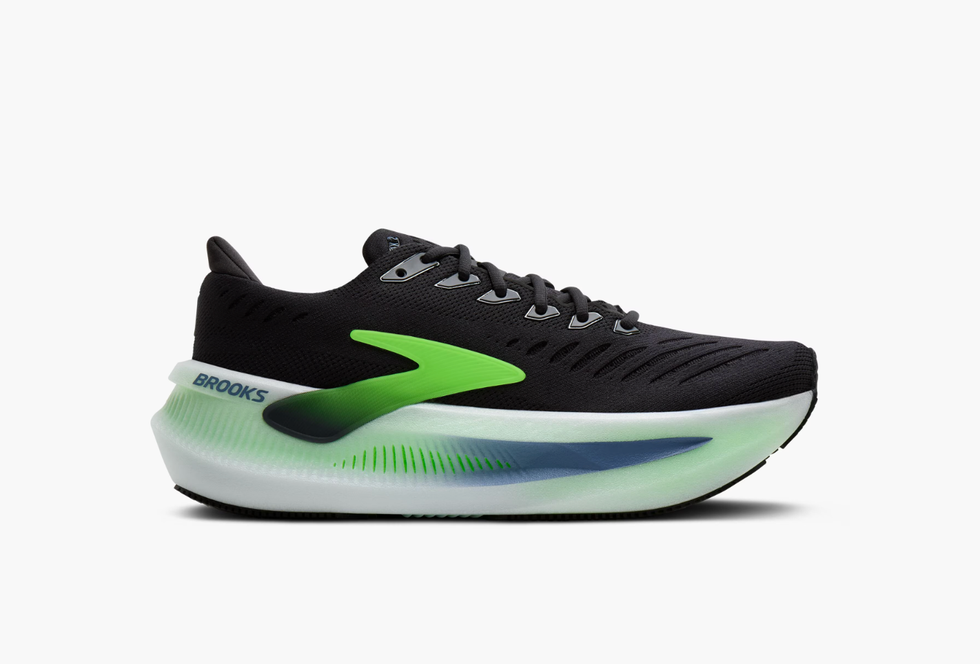

Brett Williams, NASM-CPT, PES, a senior editor at Men’s Health, is a certified trainer and former pro football player and tech reporter. You can find his work elsewhere at Mashable, Thrillist, and other outlets.