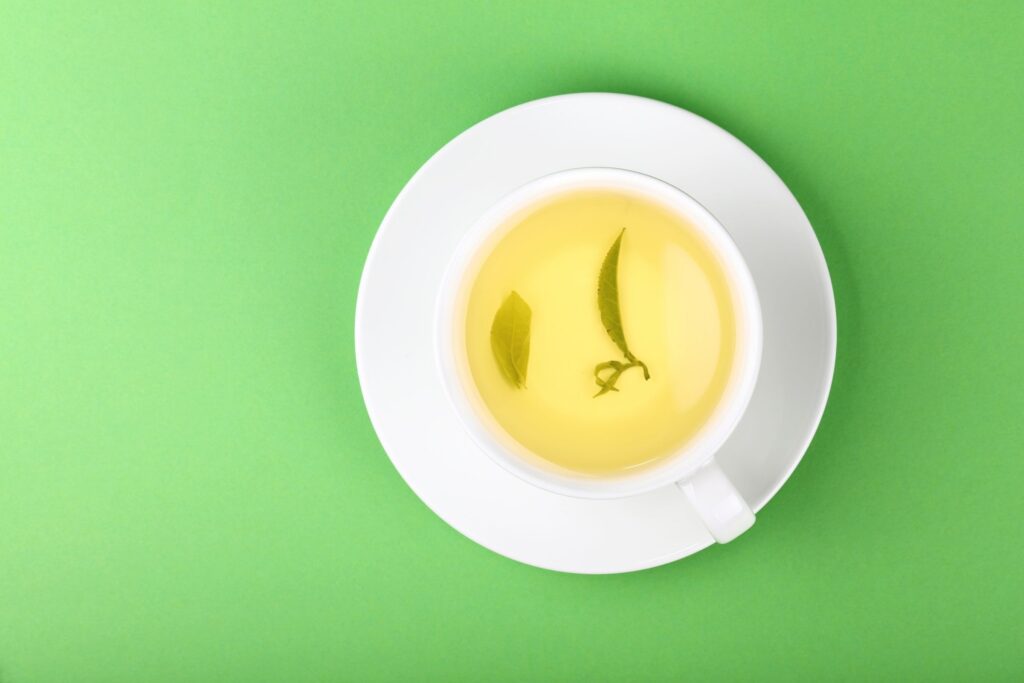
Green tea is a low-calorie beverage packed with antioxidants. Antioxidants help prevent cell damage caused by both internal and external factors, such as environmental pollution and smoking.
You can increase antioxidant intake by adding green tea to your diet, but there is a better time for drinking it.
The best times to benefit from green tea include:
One to two hours after breakfast: Tea contains antioxidants called catechins, which can bind to non-heme iron (found in plant foods). This reduces the amount of iron your body absorbs. Research shows that waiting about an hour after a meal before drinking tea can reduce this effect by 50% compared with drinking tea during the meal.
Late morning or early afternoon: Some people experience a dip in attention or feel low energy in the late morning or afternoon. Green tea contains both caffeine and L-theanine, an amino acid. Both compounds may help increase focus and alertness for a period of time. Drinking green tea has also been linked to a reduced risk of cognitive impairment, which includes difficulties with thinking, memory, or decision-making.
When snacking: Green tea is a low-calorie drink packed with antioxidants, making it a great beverage to enjoy with your favorite snacks. It is also a lower-caffeine alternative to coffee. While a cup of brewed coffee contains about 92 milligrams of caffeine, green tea has only about 30 milligrams.
Green tea contains caffeine and catechins. While these compounds offer benefits, there are times when it’s better to skip green tea:
Before bed: It’s best to avoid drinking caffeinated beverages before bedtime, as they can affect sleep quality. A cup of green tea has about 30 milligrams of caffeine, which is much less than other caffeinated drinks. However, some people are more sensitive to caffeine. You can choose naturally decaffeinated teas before bed, such as chamomile, rooibos, or peppermint.
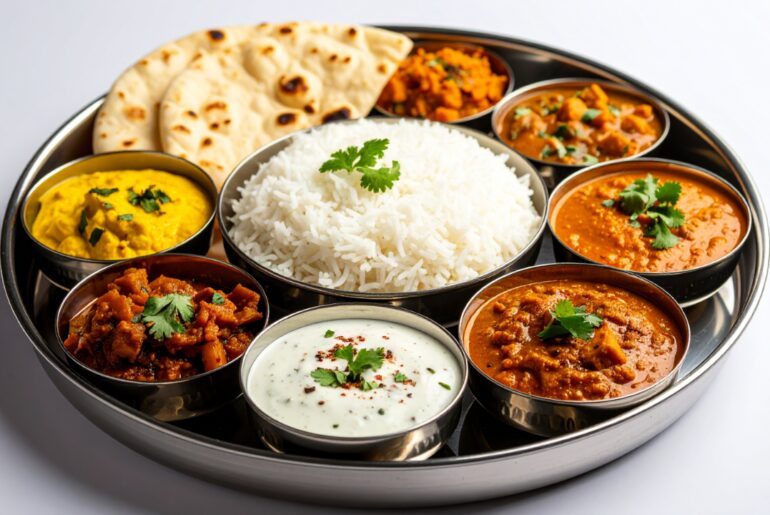
Around plant-based meals: Green tea can reduce your body’s absorption of non-heme iron from foods. If you’re eating non-heme iron–rich foods such as spinach, lentils, beans, tofu, and fortified cereals, it’s best to skip green tea before, during, and for an hour after meals.
With iron supplements: Green tea can block iron absorption from supplements. For best absorption, avoid drinking green tea when taking iron supplements.
Before exercise: Caffeine is one of the best-known performance enhancers. Taking 6 milligrams per kilograms of body weight about 1 hour before exercise can effectively boost sports performance. A cup of green tea (250 milliliters) contains roughly 30 milligrams of caffeine, which is a very small amount compared with the recommended dosage. So, you can still drink it; it’s just not the most effective way to boost performance.
Here are two simple ways to maximize green tea antioxidants:
Optimal storage: Keep green tea in an airtight container in a cool, dark, dry place. This helps preserve antioxidants, flavor, and aroma.Brewing temperature and time: Many factors affect a green tea’s antioxidant content, including leaf quality, brewing temperature, and steeping time. Use 176–185°F (80–85°C) water and steep the green tea leaves for 5-10 minutes to maximize antioxidants.