Weight loss is actively pursued, especially during phases when the body naturally tends to gain fat, such as menopause. The British Menopause Society stated in a report that weight gain is actually one of the most common side effects during perimenopause and menopause, affecting at least 50 per cent of women.
ALSO READ: Do all women gain weight during menopause? Doctor explains and suggests 10 tips to manage weight
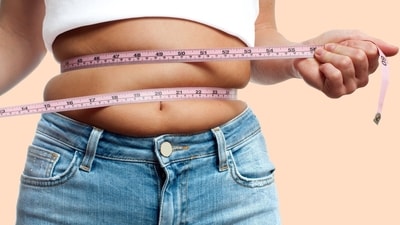 You’re wrong if you think weight and fat loss are the same thing. (Shutterstock)
So, as one is naturally more likely to gain weight, an aggressive attempt to lose weight also begins, but they often do not yield any tangible results and may even be counterproductive. To see results, you need to recalibrate and be more intentional with weight loss rather than aggressive and hyper.
Fitness trainer Kripa, who frequently shares weight loss tips for women, shared a health advisory in a January 28 post, urging to, “Stop chasing fat loss during menopause. Your body won’t release fat when it feels chased.” It also implies that during menopause body is more likely to be sensitive to stressful workouts, and the body perceives it as a threat.
What are you doing wrong?
Many may resort to aggressive cardio, burning out and spending hours at the gym. However, the trainer pointed out, “Aggressive dieting plus intense workouts feel productive, but biologically, they signal a threat to the body.” As a result, the body shifts into survival mode, holding on to fat instead of releasing it. During menopause, reducing stress on the body is key to achieving sustainable fat loss.
“High cortisol shuts down hormone-sensitive lipase, HSL, that enzyme that unlocks stored fat,” she explained.
What to do instead?
The trainer revealed a two-pronged approach to cope with this situation. The first involves limiting tiring, intense cardio and instead switching to strategic strength training, as it signals to the body that it is safe and not under threat. Secondly, when it comes to nutrition, adequate protein and carbohydrates around workouts help lower cortisol levels and keep metabolism responsive. “Fat loss follows safety, not pressure,” she reiterated the key hack in losing weight during menopause.
Note to readers: This report is based on user-generated content from social media. HT.com has not independently verified the claims and does not endorse them.
This article is for informational purposes only and not a substitute for professional medical advice.