BY: CLAYTON HENKEL – FEBRUARY 2, 2026 11:22 AM
When healthcare professionals talk about measles, they often focus on the blotchy red rash that typically appears on the face and then spreads to the body of the person infected. But a lesser-known complication from the measles virus deserves more attention, according to retired pediatrician Dr. Arthur Lavin.
“Measles actually erases immune memory,” the Ohio doctor shared with NC Newsline in a recent interview.
The phenomenon of immune amnesia occurs when the highly contagious measles virus attacks the memory cells (white blood cells commonly called B cells and T cells) that carry the body’s knowledge of how to fight certain infections.
“The reason I don’t get chickenpox twice is because I have cells in my body that remember the first time I got chickenpox,” Lavin explained. “If I get rid of those cells, it’s like I never had it. I can get it again.”
Lavin said measles has the potential to wipe out those memory cells for at least a year after infection.
“You’re open season for anything you had that you used to be immune to,” said Lavin, who founded the nonprofit Grandparents for Vaccines to combat vaccine hesitancy and encourage childhood vaccination.
An earlier study by a team of Harvard Medical School researchers found that measles can erase from 11% to 73% of the different antibodies that previously made an individual immune to other illnesses.
“We know from the days in which measles was rampant, a lot of deaths from childhood infections were the result of people getting infections after measles,” Lavin explained. “Their immune system was basically unilaterally disarmed.”
Research published in the American Society of Microbiology suggests that it can take two to three years for one’s immune memory to be restored.
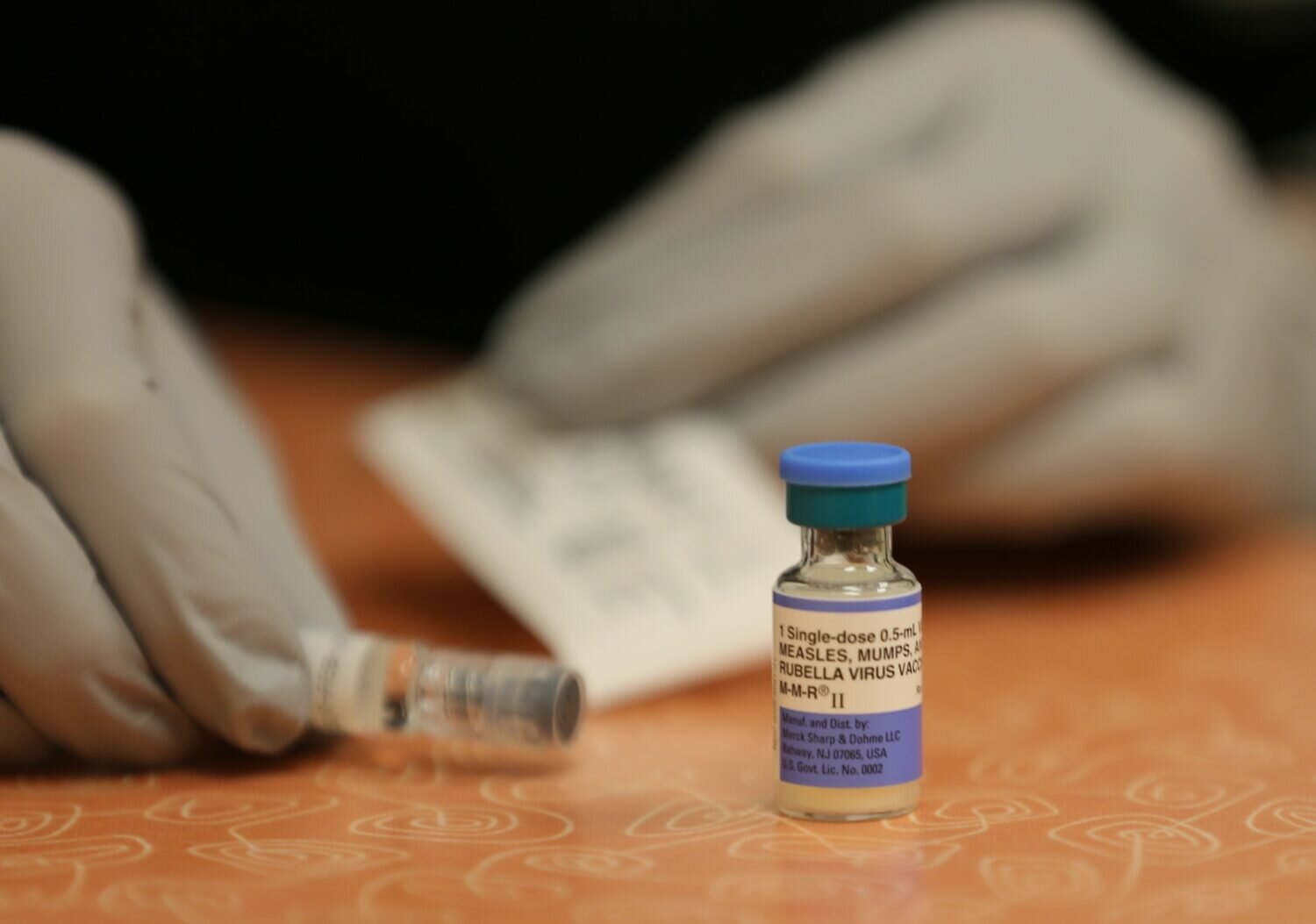
The best way to avoid measles and to protect the immune system is receiving the measles, mumps and rubella vaccine. One dose of MMR vaccine is about 93% effective in preventing measles. Full vaccination, which takes two doses, is 97% effective.
OUTBREAK
An outbreak in South Carolina’s Upstate reached 847 cases Friday, according to the state Department of Public Health
That surpassed the 803 cases reported in a Texas outbreak last year, making South Carolina’s the worst measles outbreak in the nation.
Measles is no longer spreading in Texas. But South Carolina’s case load doesn’t appear to be slowing down, with 147 new cases reported last week.
There were 443 people in quarantine because of exposure to measles as of Friday.
Among them were nearly 250 students from 13 schools. When a student tests positive for measles, all unvaccinated students at the school must stay home for three weeks, according to the health department.
Spartanburg County remains the epicenter of the outbreak, with 813 cases reported there. Other the other cases, 28 people in Greenville County have been diagnosed, five in Anderson County and one in Cherokee County, according to the state health department.
Nearly 90% of South Carolinians sickened have been younger than 18:
219 children up to age 4
381 ages 5 to 11
159 ages 12 to 17
Of the 847 cases, at least 760 (90%) were unvaccinated. Vaccination is about 97% effective following the second dose and is the surest way to prevent infection, according to health officials.
-SC Daily Gazette reporter Skylar Laird
Data released Friday by the North Carolina Department of Health and Human Services finds the state has recorded 15 cases of measles in six counties since December. Of those cases, 74% involved individuals who were unvaccinated.
The most recent case involves an unvaccinated child in Nash County who became ill after traveling from another country where measles outbreaks have been reported. The Nash County Health Department is now notifying the public of a potential measles exposure at UNC Health Nash Emergency Department after that child was seen at the hospital on Jan. 27 and later tested positive for measles.
While health officials believe the risk of transmission to the general public remains low, they are advising individuals who were at the UNC Health Nash Emergency Department between 9 a.m. and 11 p.m. on Tuesday to review their own vaccination status and monitor themselves for symptoms.
This story was originally produced by NC Newsline, which is part of States Newsroom, a nonprofit news network which includes SC Daily Gazette, and is supported by grants and a coalition of donors as a 501c(3) public charity.
Deputy Editor Clayton Henkel manages the NC Newsline website and daily newsletter, while also producing daily audio commentaries and the weekly News and Views radio program/podcast.