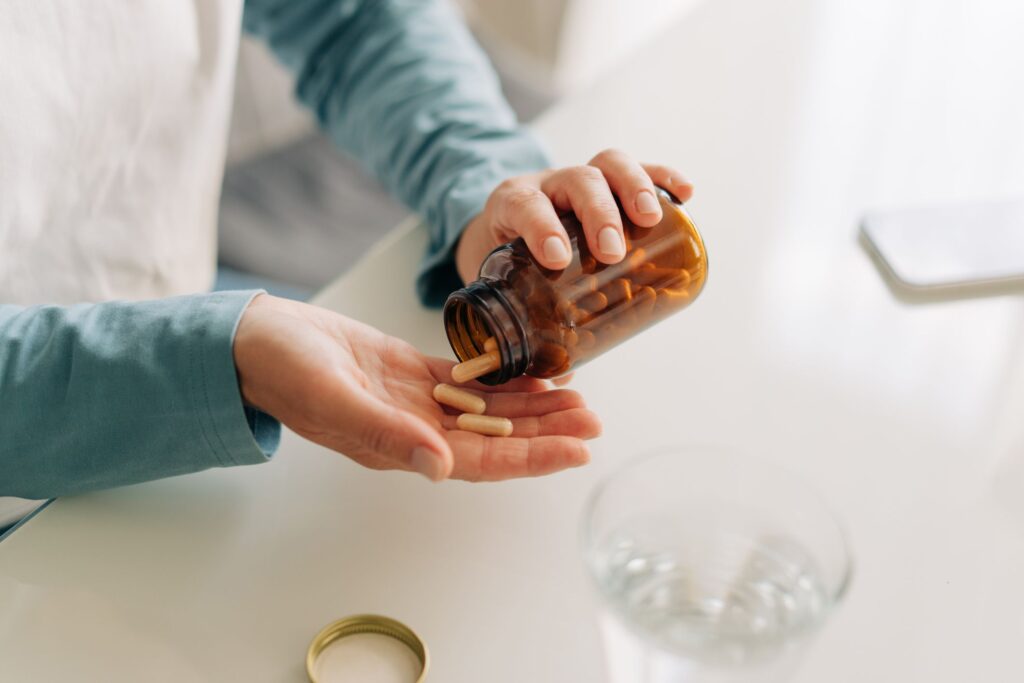
If you feel overwhelmed by the sheer number of supplements on the market, you’re not alone. Between social media ads and the endless options lining pharmacy and grocery store shelves, it’s difficult to know which ones are actually worth taking and which are just a waste of money. To help cut through the confusion, we chatted with some experts.
Vitamin D is a nutrient that’s required for essential processes such as calcium absorption, immune function, and the regulation of blood sugar and inflammation. Your body makes vitamin D from sunlight, and it’s also concentrated in a limited number of foods, such as fatty fish.
Why It’s Worth Taking
Vitamin D deficiency is extremely common. Being low in vitamin D can negatively impact physical and mental health and increase the risk of conditions like osteoporosis and depression.
“The best source of vitamin D is the UV rays of the sun, not food,” Kristin Kirkpatrick, MS RDN, told Health. Unfortunately, living in colder climates and spending most of your time indoors increases your risk of developing vitamin D deficiency. This is why taking vitamin D supplements is a good idea for many people.
Who It’s Best For
Research suggests that taking a maintenance dose of 2,000 IU (50 micrograms) per day is an effective way to reduce the risk of vitamin D deficiency. However, people with vitamin D deficiency often need higher doses.
People who may need to take vitamin D supplements include:
People with limited sun exposure
Older adults
People with osteoporosis or low bone density
Those with darker skin tones
People with health conditions that impact vitamin D absorption, such as celiac disease.
Vitamin B12 plays a key role in nerve function, metabolism, and red blood cell production. Having low B12 levels can lead to a number of symptoms and health issues, including fatigue, anemia, and neurological symptoms.
Why It’s Worth Taking
The body’s ability to absorb B12 declines with age and can be affected by several health issues, including inflammatory bowel disease (IBD), as well as certain medications, such as blood sugar and acid reflux drugs.
Who It’s Best For
Adults over age 50Vegetarians and vegansPeople with digestive disorders like celiac disease and Crohn’s disease Those taking medications that interfere with B12 absorption, such as proton pump inhibitors (PPIs) and the diabetes drug Metformin
Benefits
Omega-3 fats support heart health and brain function, and help regulate inflammation in the body. The most beneficial forms are eicosapentaenoic acid (EPA) and docosahexaenoic acid (DHA), which are found primarily in seafood.
Why It’s Worth Taking
Most people don’t eat enough seafood to maintain healthy EPA and DHA levels. Plus, studies show that taking omega-3 supplements can benefit health in a number of ways, such as reducing heart disease risk factors, including high blood lipid levels, and improving cognitive health.
“Experts widely recognize the importance of getting EPA and DHA from foods and dietary supplements, with supplements often being the most convenient way to increase omega-3 fatty acid levels in the body, especially for those who don’t consume seafood often,” Erin Ogden, RDN, told Health.
Who It’s Best For
People who rarely eat seafood
People with elevated heart disease risk factors, like high triglycerides
Those with inflammatory conditions
People who want to support and protect cognitive health
Magnesium is a mineral that’s critical for blood sugar regulation, muscle contraction, nerve function, blood pressure maintenance, and stress regulation. Diets that are high in ultra-processed foods and low in whole foods fall short of providing enough magnesium for optimal health.
Why It’s Worth Taking
Low magnesium intake is associated with a number of health conditions, including high blood pressure, type 2 diabetes, osteoporosis, depression, and anxiety.
Magnesium intake is often below recommended levels because many people don’t eat enough magnesium-rich foods, such as seeds, beans, and vegetables. Supplements can help maintain optimal levels and may also support healthy blood pressure and blood sugar control, lower anxiety levels, and more.
Who It’s Best For
People with low dietary magnesium intakeIndividuals with health conditions like type 2 diabetes and high blood pressureThose with high stress levelsPeople who have anxiety or trouble sleeping
Creatine is a compound naturally found in your body and certain foods. It helps replenish adenosine triphosphate (ATP), the molecule that provides energy for key cellular functions like muscle contraction and nerve activity.
Creatine supplements have been linked to impressive health benefits, such as muscle building and increased strength.
Why It’s Worth Taking
“Creatine’s benefits extend far beyond building muscle,” explained Kirkpatrick. “Research shows it may support brain function, heart health, mental well-being, and bone strength, potentially contributing to overall longevity,” she said.
These benefits can be especially meaningful for supporting healthy aging, especially for women. Studies show that women have up to 80% lower creatine stores in the body.
Who It’s Best For
Athletes and those who want to support strength and muscle growth
Older adults looking to increase bone strength
Those who want a natural way to support bone health
People who follow plant-based diets, as creatine is primarily concentrated in animal foods
Iron is necessary for oxygen transport, energy production, and red blood cell formation. Unfortunately, iron deficiency is the most common nutrient deficiency worldwide, especially in menstruating women. “Even mild deficiency causes fatigue, hair loss, dizziness, and poor endurance,” functional medicine physician Miranda Naylor told Health.
Why It’s Worth Taking
Iron supplements are effective for treating low iron levels, but they should only be taken when needed or recommended by a healthcare provider. Excess iron can damage cells when levels become too high in the body.
People with iron deficiency or anemiaThose with increased iron needs, like pregnant peoplePeople with heavy menstrual cyclesThose who have difficulty absorbing iron from foods