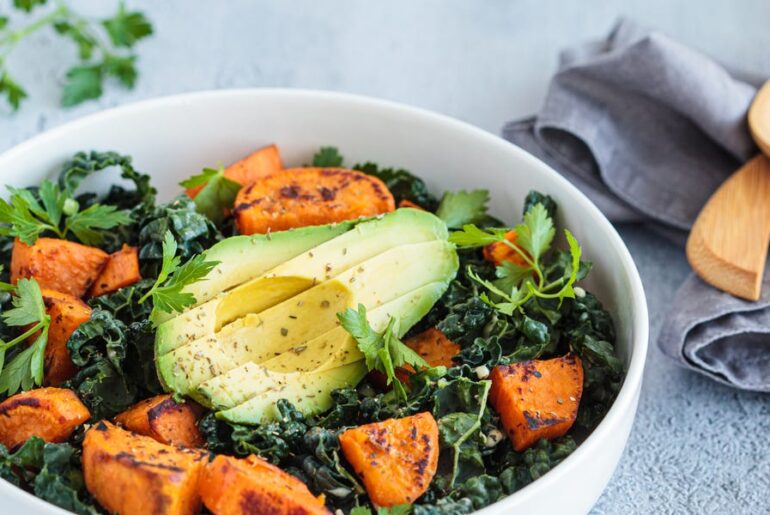
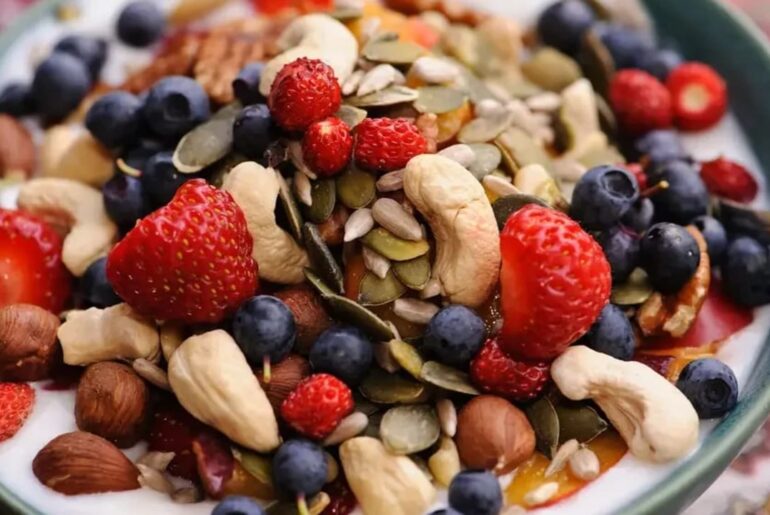
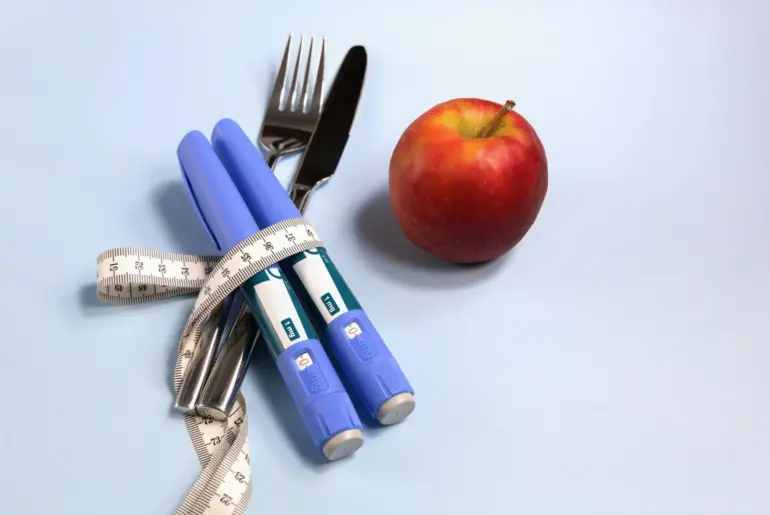
Healthy eating may not look Instagram-worthy, but it’s far closer to what actually supports health in the long run. Photo / Getty Images
As well as Jennifer Bowden’s columns in the NZ Listener, listener.co.nzsubscribers can access her fortnightly Myth busters column which explore food and nutrition myths.
If you spend any time scrolling social media or reading wellness headlines, it’s easy to get the impression that healthy eating now
requires a second income. Organic produce, specialty protein products, functional foods and premium ingredients are routinely presented as the baseline for “eating well”. For many households, particularly as food prices continue to rise, this makes healthy eating feel either out of reach or simply not worth the effort.
But when money is tight the question isn’t: how do I eat perfectly? A more useful question is: what actually matters most?
Nutritional adequacy matters more than nutritional optimisation
One of the biggest mistakes we make is confusing health with optimisation. Most people don’t need superfoods or specialty products to support their health – we are not preparing for an elite performance like tennis champion Novak Djokovic or football’s Cristiano Ronaldo, where small dietary tweaks can influence performance outcomes. For most of us, the priority is far simpler: eating in a way that provides enough energy, protein, fibre and a reasonable range of vitamins and minerals consistently.
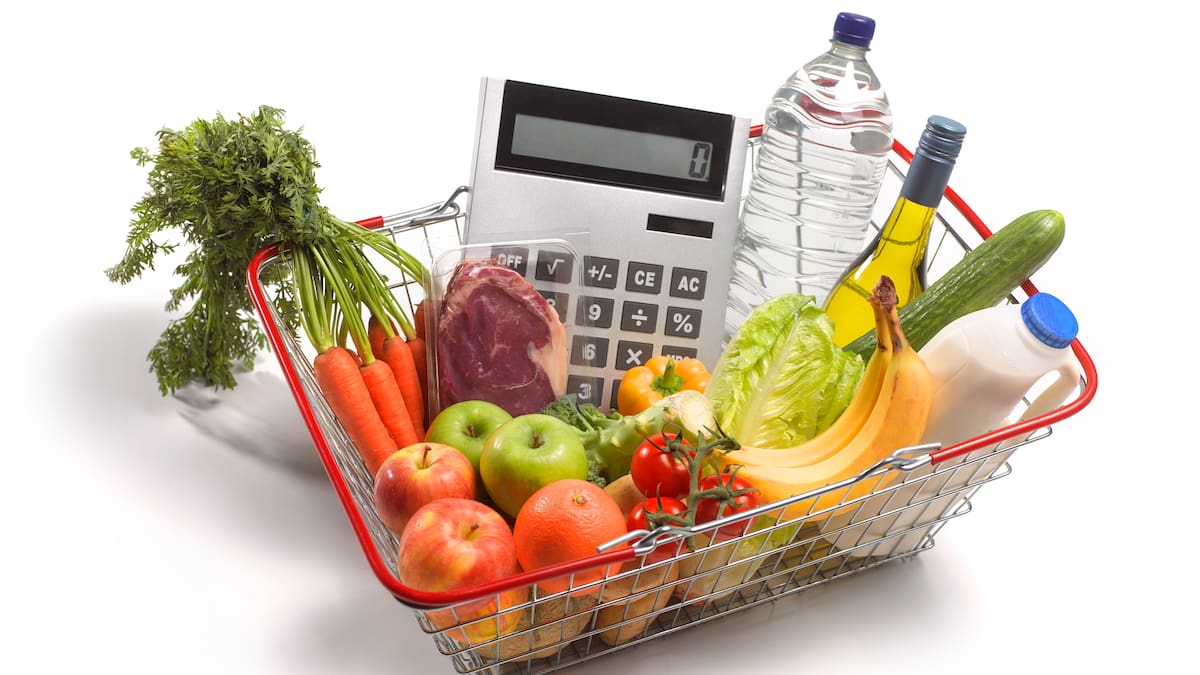
Frozen vegetables, canned beans, eggs, milk, grainy bread, oats, rice and seasonal fruits are not “second-best” foods. While they may not inspire glossy TikTok reels, they are nutritionally solid, affordable staples. When budgets are stretched, prioritising foods that deliver the most nutrition per dollar makes far more sense than chasing dietary ideals shaped by marketing rather than biology.
The nutritional magic is in the word “consistency”
Modern food culture often implies health requires constant upgrading – more variety, novelty and refinement. But health doesn’t accumulate through endless upgrades; it’s built through repeated patterns over time.
Large observational studies and reviews consistently show sticking to simple healthy eating patterns is associated with a reduced risk of a range of major diet-related chronic illnesses such as diabetes, cardiovascular disease and some cancers, according to a 2020 article in Nutrition Research. In practice, a small range of affordable meals eaten regularly will almost always outperform an “ideal” diet that can’t be sustained. So when food budgets are under pressure, the healthiest choice is often the one you can keep making next week without stress.
Prioritise nutrition over “conspicuous consumption”
More than a century ago, Thorstein Veblen coined the term conspicuous consumption to describe spending driven by status rather than usefulness. Although the sociologist was writing about luxury goods, the concept applies perfectly to our current food culture. Healthy food often looks expensive because it has been turned into a high-status item. Online in particular, healthy eating often looks polished, premium and specialised, not because that’s what health requires, but because visibility and status are part of the performance. Expensive ingredients and highly curated eating routines are often used to signal discipline or success by influencers. The problem is that when food becomes a status symbol, ordinary, affordable eating can start to look inadequate. We begin to mistake cost, complexity and aesthetics for nutritional value.
Be wary of paying extra for convenience disguised as health
Much of the rising cost of “healthy” food isn’t about nutrition at all, it’s about convenience and branding. Pre-chopped vegetables, single-serve protein products and ready-made salads all cost more because labour and marketing have been outsourced upstream.
Convenience isn’t inherently bad. For busy households, some shortcuts are necessary. But when money is tight, it’s worth asking whether you’re paying for genuine usefulness or a health halo. Often, buying simpler ingredients that can be used across multiple meals and stored easily is the more sustainable option.
So what’s the bottom line?
When healthy eating feels expensive, the priority isn’t perfection or spectacle. It’s nourishment, consistency and sustainability. Eating well doesn’t require the most expensive food, it requires food that reliably meets your needs without draining your budget or your mental energy. That version of healthy eating may not look Instagram-worthy, but it’s far closer to what actually supports health in the long run.
SaveShare this article
Reminder, this is a Premium article and requires a subscription to read.
Copy LinkEmailFacebookTwitter/XLinkedInReddit