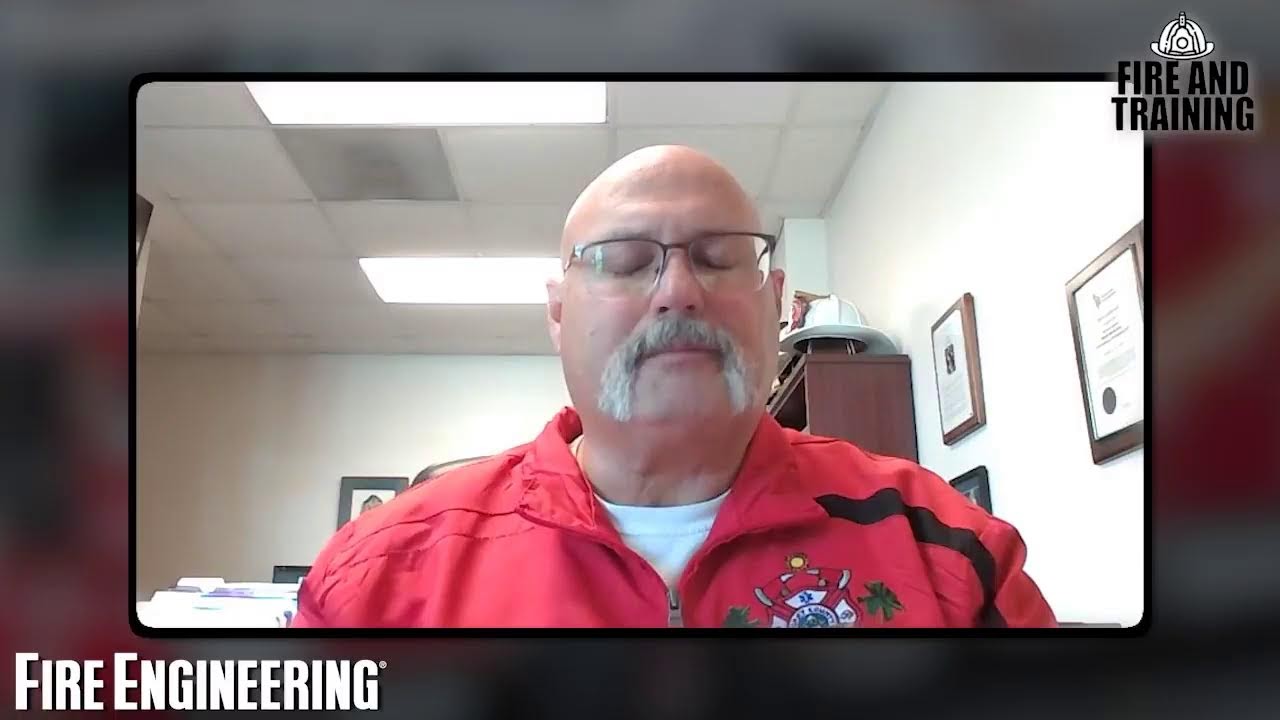
In this episode of Fire and Training, host Doug Cline breaks down the “deadly sins” of the fireground. In this solo episode, Cline addresses important issues including ignoring critical signs, poor risk assessment, tunnel vision, freelancing without communication, and failing to follow orders. Cline notes that such mistakes often result in near misses or tragedies. The discussion also highlights how complacency, lack of rest, and poor attitude seriously undermine readiness.
Emphasizing continual scene assessment, clear communication with command, and strict adherence to standard procedures, the episode urges firefighters to stay vigilant and prepared. Cline also touches on the importance of mental and physical readiness, advocating for ongoing training and fitness to sharpen focus in high-stress environments.
MORE
Here are three key ways to avoid “deadly sins” when you’re working on the fireground.
1. Ignoring Signs and Poor Risk Assessment Amplify Danger on the Fireground.
From the outset, Cline emphasizes how many failures stem from neglecting early warning signs during incident size-up. Firefighters often miss the subtle yet important visual cues—like smoke behavior, building construction indicators, or changes in fire conditions—that hint at what’s unfolding behind the walls. This lack of situational awareness leads to underestimating risk and misjudging hazards.
Reading buildings isn’t just about walking around the exterior; it requires understanding fire dynamics relative to compartmentalization, structural design, and ventilation. Failure to do so means firefighters may unknowingly enter conditions prone to rapid deterioration. Ignoring these signs is unforgiving and can result in line-of-duty deaths.
2. Freelancing and Tunnel Vision Undermine Team Coordination.
Cline highlights freelancing on the fireground as a critical operational failure that often goes unaddressed. Freelancing creates dangerous gaps in accountability and situational awareness. The host points out that even officers can freelance, but the risk skyrockets when individual actions aren’t reported or integrated into the overall incident management.
Tunnel vision compounds this problem by narrowing a firefighter’s focus solely on one task or area, losing sight of the bigger picture. This can lead to incomplete search efforts or overlooked hazards. Maintaining communication and situational awareness is vital to avoiding these pitfalls. One example cited: firefighters completing an assigned task but then making uncoordinated decisions without informing command, effectively removing themselves from the team’s safety net.
Complacency and Preparation Failures Impact Readiness on and off the Fireground.
A substantial portion of the episode addresses personal and organizational factors that erode readiness. Complacency shows up as routine thinking, which is treating every operation like the last without maintaining vigilance. It also shows up as poor attitude, such as resistance to training or negligence about gear maintenance. These mental shortcuts often lead to cutting corners and risk acceptance that fires rarely afford.
Another underappreciated factor Cline mentions is fatigue. He equates the impairments caused by lack of sleep to those from intoxication. Firefighters working long shifts, especially under busy calls and limited rest, experience diminished focus, slower decision making, and impaired judgment. Preparation isn’t just about physical fitness; mental readiness, training, and ensuring proper equipment condition are equally critical.