3 min readChandigarhUpdated: Feb 5, 2026 09:41 AM IST
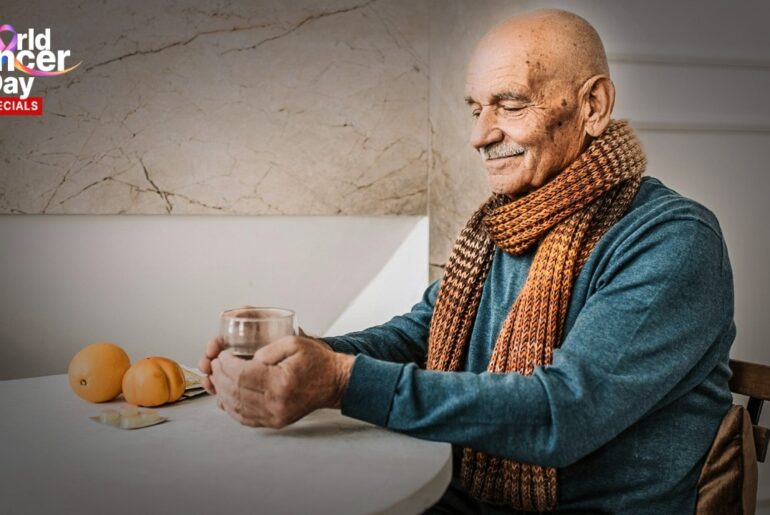
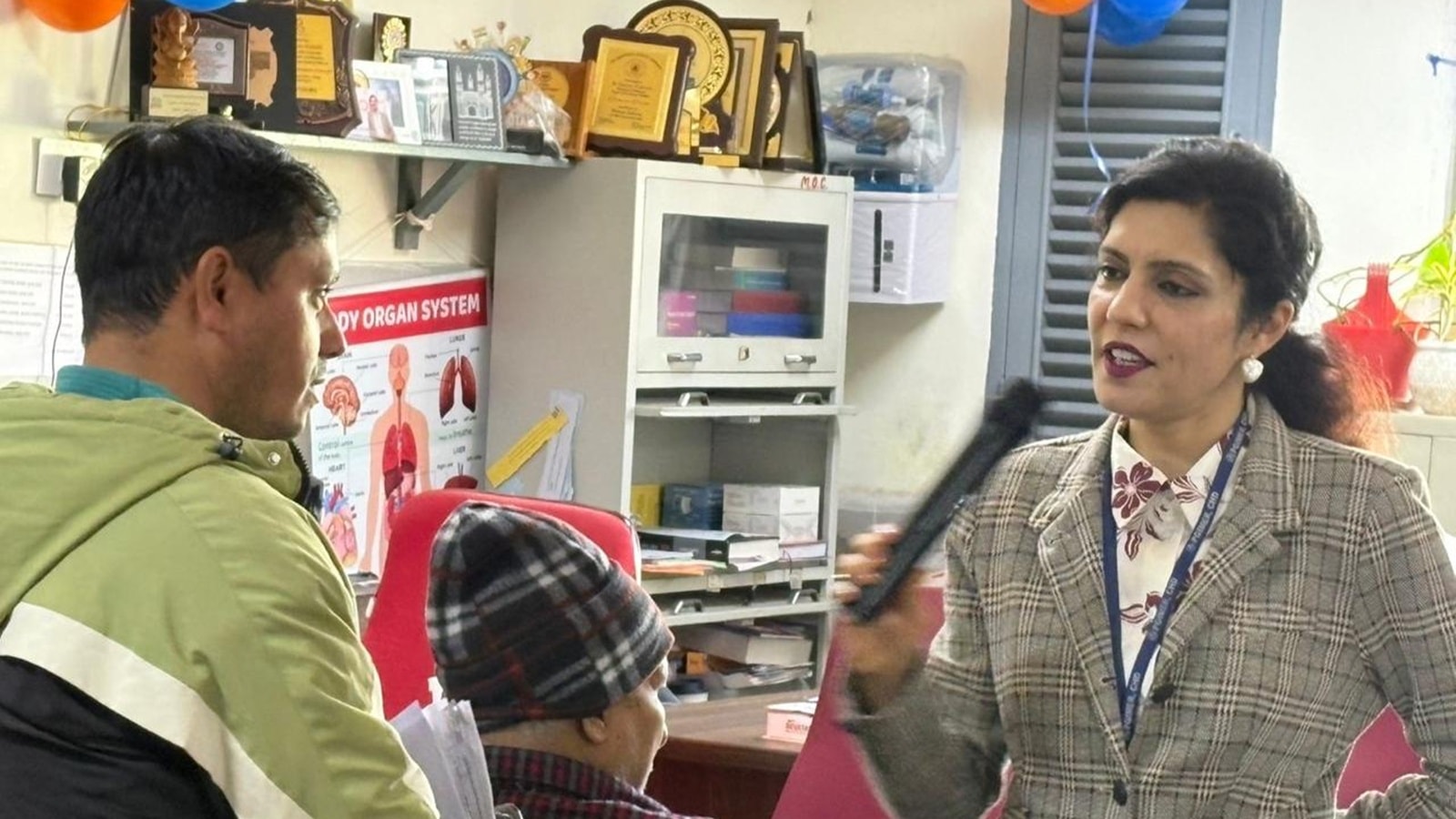
Marking World Cancer Day 2026 with a focus on supportive care, the Department of Dietetics, PGIMER, Chandigarh, Wednesday organised a special diet camp for day-care chemotherapy patients at the New OPD. The initiative highlighted the often under-recognised role of nutrition in cancer management, positioning food as a vital ally in treatment and recovery.
Leading the camp, Dr Nancy Sahni, chief dietician and head, Department of Dietetics, sensitised patients and caregivers to dietary planning before, during, and after chemotherapy, explaining that food, when used judiciously, can work as a therapeutic tool. She noted that adequate energy and protein intake help patients cope better with treatment stress, adding that nutritional gaps arising from poor appetite, nausea, or gastrointestinal side effects can be safely bridged using polymeric, monomeric, or disease-specific oral nutrition supplements.

Dr Sahni observed, “Nutrition is not an adjunct but an integral part of cancer therapy, capable of strengthening immunity, improving tolerance to treatment, and enhancing overall quality of life.”
Addressing widespread dietary myths surrounding cancer, Dr Sahni emphasised the need to move away from fear-based food restrictions.
Patients were guided to adopt evidence-based, individualised diets, tailored to their medical condition rather than popular misconceptions.
As cancer patients are particularly vulnerable to infections, making hygienic food preparation essential, while also encouraging patients to prefer locally sourced, fresh produce.
Bringing a clinician’s perspective, Prof Pankaj Malhotra, head, Department of Clinical Haematology and Medical Oncology, drew attention to food–drug interactions, cautioning that certain foods and supplements may interfere with chemotherapy effectiveness. Dr Malhotra stressed that informed dietary decisions during treatment are as important as medication adherence, noting that the right nutrition supports therapy, while unverified practices may inadvertently compromise outcomes. A key feature of the camp was personalised dietary counselling, where patients and caregivers received tailor-made diet plans based on chemotherapy cycles, comorbidities, and baseline nutritional assessment, including intake, weight, BMI, food preferences, aversions, and gastrointestinal health.
This individualised approach ensured practical and sustainable dietary guidance beyond the hospital setting, reminding patients that healing often begins with informed choices at the dining table. “A nutrition cut-off value is important before any procedure. If a patient is undernourished, it will be very tough to go through chemo or radiotherapy, and with better nutrition, the side effects like nausea etc also get reduced. There are many myths related to food, like many cancer patients stop eating wheat, milk, and sugar, but they need carbs and fat, to supplement nutrition. Of course, processed and ultra-processed food are inflammatory. We tell them not to omit fruits, but make sure these are peeled and washed, so that there is no concern for infections. By omitting food groups, thinking that these will cause cancer cells to die, they can lose muscle and fat. Oral nutrition needs to be introduced when they can’t eat, along with micronutrients, Omega-3. Without nutrition, cells are starved, and the body requires a lot of energy for treatment. If a patient is not eating while undergoing chemo and other treatment, it creates several complications,” explains Dr Sahni.