AI-Enabled Personalized Wellness
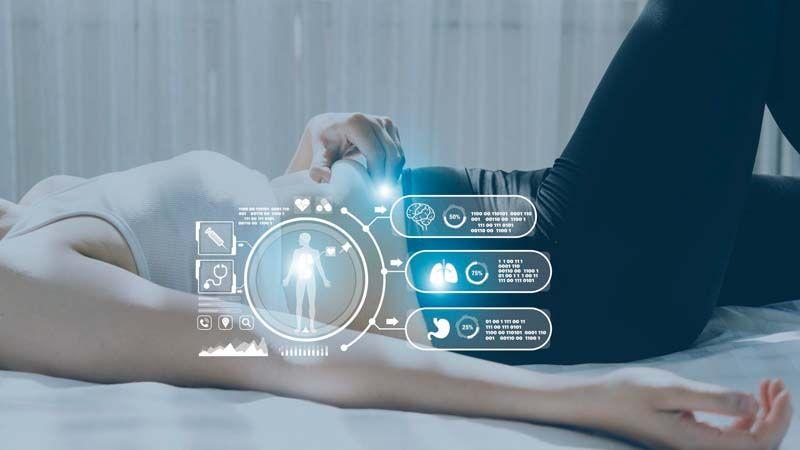
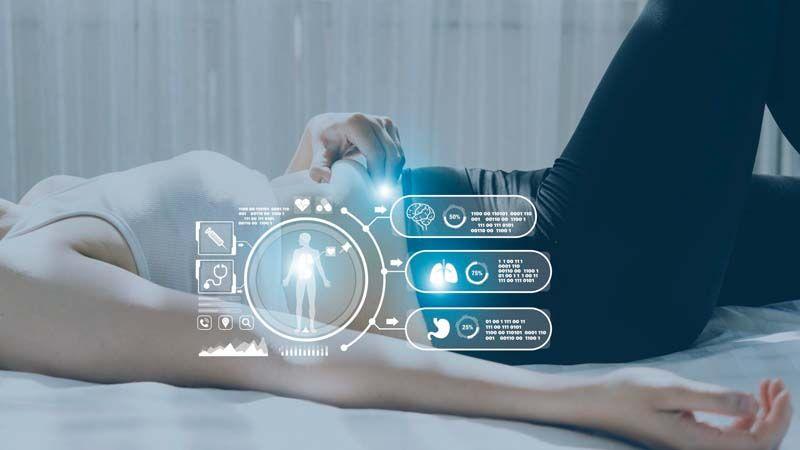
The AI-Enabled Personalized Wellness Market is fundamentally restructuring the multi-trillion-dollar global wellness economy, shifting the paradigm from generalized self-care to data-driven, hyper-personalized vitality. For decades, the wellness industry relied on broad heuristics-10,000 steps a day, eight hours of sleep, or generic multivitamins-guidance that ignored the vast biological and lifestyle diversity of individuals. This market leverages Artificial Intelligence to ingest disparate data streams from wearables, genomic tests, and behavioral logs to create a cohesive, real-time wellness roadmap unique to every user. As of 2026, the sector has graduated from simple tracking dashboards to proactive coaching ecosystems. We are witnessing the rise of the AI Health Concierge, a digital entity that doesn’t just log your sleep but actively restructures your schedule and habits to optimize your recovery, mood, and longevity.
Recent Developments
January 2026 – The Wearable-EHR Bridge: A consortium of leading wellness app developers and major electronic health record providers announced a standardized API framework. This development allows physicians to view summarized AI wellness data-such as long-term sleep trends or stress markers-directly within the clinical workflow, officially bridging the gap between consumer wellness and clinical medicine.
November 2025 – Generative AI Mental Wellness Launch: A top-tier meditation and sleep app unveiled a fully interactive, voice-based AI coach powered by a custom Large Language Model. Unlike previous script-based chatbots, this AI can hold deep, context-aware conversations about stress and anxiety, offering real-time cognitive reframing techniques that adapt to the user’s emotional state.
September 2025 – Corporate Wellness Merger: A leading enterprise HR software giant acquired a prominent AI-driven fitness coaching platform. This strategic consolidation signals a massive shift in the corporate sector, moving from passive gym reimbursements to active, AI-monitored employee resilience programs designed to reduce burnout and insurance premiums.
*******
*******
Get your Sample PDF to email us on aman.jain@marketresearcorridor.com
*******
*******
Strategic Market Analysis: Dynamics and Future Trends
The innovation trajectory in this sector is currently defined by Multimodal Data Fusion. Early wellness AI focused on single verticals-an app for sleep or an app for diet. The current market leaders are breaking down these silos. They are building “Super Models” that understand the interplay between systems-how a stressful meeting (calendar data) impacts heart rate variability (watch data), which in turn affects cravings (nutrition data). This holistic understanding allows for “Systemic Nudges” that address root causes rather than symptoms.
Operationally, there is a decisive move toward Ambient Wellness. The market is evolving beyond the smartphone screen to integrate with the connected home. We are seeing the emergence of smart lighting that adjusts color temperature based on an AI’s analysis of the user’s circadian rhythm, and smart mattresses that autonomously alter firmness based on the user’s recovery score. The goal is to make wellness passive and environmental, reducing the friction of active user input.
Looking forward, the future outlook is centered on the Longevity Economy. As the science of biological aging matures, AI wellness platforms are pivoting to position themselves as “Longevity Operating Systems.” These platforms will increasingly focus on optimizing “Healthspan”-the number of healthy years lived-by using predictive analytics to suggest lifestyle micro-interventions today that statistically reduce the risk of frailty or cognitive decline decades in the future.
SWOT Analysis: Strategic Evaluation of the Market Ecosystem
Strengths
The core strength of AI-enabled wellness is its Scalability and Accessibility. It democratizes access to elite-level coaching that was previously reserved for professional athletes or the wealthy. An AI coach is available 24/7, costs a fraction of a human expert, and never forgets a data point. Furthermore, the objective nature of sensor-based data cuts through human bias and poor memory, providing a “Single Source of Truth” regarding a user’s lifestyle habits.
Weaknesses
A significant weakness is the Engagement Cliff. While initial adoption is high, maintaining long-term user engagement after the novelty wears off is a persistent struggle. Many users abandon apps after 3 to 6 months. Additionally, the lack of Clinical Regulation creates a “Wild West” environment where apps can make vague health claims without rigorous validation, leading to potential consumer distrust if the promised results do not materialize.
Opportunities
A massive opportunity exists in the B2B Enterprise market. As burnout becomes a critical workforce issue, employers are aggressively seeking scalable, AI-driven solutions to manage employee mental and physical resilience. Platforms that can prove a reduction in absenteeism or healthcare costs stand to capture significant recurring revenue. There is also a growing opportunity in Women’s Health, specifically for AI tools that adapt wellness advice to the menstrual cycle and menopause, a historically underserved market segment.
Threats
The primary threat is Data Privacy and Security. Wellness data is incredibly intimate, often tracking location, biometrics, and mental states. A major breach involving such sensitive data could trigger a regulatory backlash that stifles innovation. Additionally, the risk of Algorithmic Hallucination-where a Generative AI gives dangerous or scientifically inaccurate wellness advice-remains a liability concern that keeps legal teams on high alert.
Drivers, Restraints, Challenges, and Opportunities Analysis
Market Driver – The Preventative Health Shift: Consumers are increasingly viewing health as an asset to be managed rather than a problem to be fixed. The global shift toward preventative lifestyles, driven by the desire for longevity and performance, is the primary economic engine fueling the adoption of sophisticated tracking and coaching tools.
Market Driver – Advances in Sensor Technology: The miniaturization and improved accuracy of non-invasive sensors-capable of measuring blood oxygen, skin temperature, and even hydration levels-have provided the high-fidelity data fuel necessary for AI algorithms to generate meaningful insights.
Market Restraint – Subscription Fatigue: The market is saturated with subscription-based apps. Consumers are becoming increasingly selective, unwilling to pay monthly fees for multiple disjointed wellness services. This is forcing consolidation and the rise of “All-in-One” platforms.
Key Challenge – Behavioral Psychology Integration: The algorithm can calculate the perfect workout, but it cannot force the user to do it. The central challenge is bridging the gap between data and behavior. Successful platforms must master the psychology of motivation, using AI to deliver the right message at the right time to trigger action.
Deep-Dive Market Segmentation
By Application
Physical Fitness and Training
Mental Health and Stress Management
Sleep Analysis and Optimization
Nutrition and Diet Planning
Corporate Wellness
By Technology
Wearable Devices (Smartwatches, Rings, Patches)
Mobile Apps and Software Platforms
Smart Home Equipment
Generative AI and Chatbots
By End User
Direct-to-Consumer (DTC)
Corporate and Enterprise
Healthcare Providers and Insurers
Fitness Centers and Gyms
*******
*******
If you want to get Sample PDF of this report then email us on aman.jain@marketresearcorridor.com
*******
*******
Regional Market Landscape
North America: This region dominates the market, driven by a high adoption rate of wearable technology and a cultural emphasis on self-optimization. The U.S. is the innovation hub for Generative AI integration in wellness, with Silicon Valley startups leading the charge in creating “AI Life Coaches.”
Europe: The market here is characterized by a holistic approach to health, with strong growth in mental wellness and sleep tech. European regulatory frameworks like GDPR shape the market significantly, favoring platforms that prioritize data sovereignty and transparent algorithms.
Asia-Pacific: This is the fastest-growing region. Rapid urbanization and a tech-savvy young population in China and South Korea are driving demand. The region is also seeing unique innovations in “Smart Clothing” and the integration of AI wellness tools into “Super Apps” that combine lifestyle, commerce, and health.
Competitive Landscape
Top Wellness AI Innovators:
Whoop (Recovery analytics), Oura (Sleep and readiness), Calm (Mental wellness), Headspace Health (Mindfulness and therapy), Noom (Psychology-based weight loss), Thrive Global (Behavior change), Eight Sleep (Smart hardware).
Tech Giants:
Apple (HealthKit and Fitness+), Google (Fitbit and Gemini integration), Samsung (Samsung Health), Garmin.
Strategic Insights
The Pivot to “readiness”: The strategic narrative has shifted from “Activity” to “Readiness.” Users no longer just want to know what they did; they want to know what they can do. AI platforms are differentiating themselves by providing a daily “Readiness Score” that dictates how hard a user should push themselves, preventing injury and burnout.
Community as a Feature: In a digital-first world, community is the new retention tool. AI platforms are building features that connect users with similar biological profiles or goals, using algorithms to foster supportive micro-communities that drive accountability and adherence.
The “Invisible” Interface: The future of wellness AI is screen-free. With the rise of hearables (smart earbuds) and smart speakers, the interaction model is moving toward voice and audio. An AI coach whispering real-time pacing advice during a run or guiding a meditation session through earbuds offers a more immersive and less intrusive experience than glancing at a phone.
Contact Us:
Avinash Jain
Market Research Corridor
Phone : +1 518 250 6491
Email: Sales@marketresearchcorridor.com
Address: Market Research Corridor, B 502, Nisarg Pooja, Wakad, Pune, 411057, India
About Us:
Market Research Corridor is a global market research and management consulting firm serving businesses, non-profits, universities and government agencies. Our goal is to work with organizations to achieve continuous strategic improvement and achieve growth goals. Our industry research reports are designed to provide quantifiable information combined with key industry insights. We aim to provide our clients with the data they need to ensure sustainable organizational development.
This release was published on openPR.