Israeli researchers at Ben-Gurion University of the Negev have discovered that the gene ZNF750 plays a crucial role in maintaining the skin’s immune defense, the university announced on Tuesday.
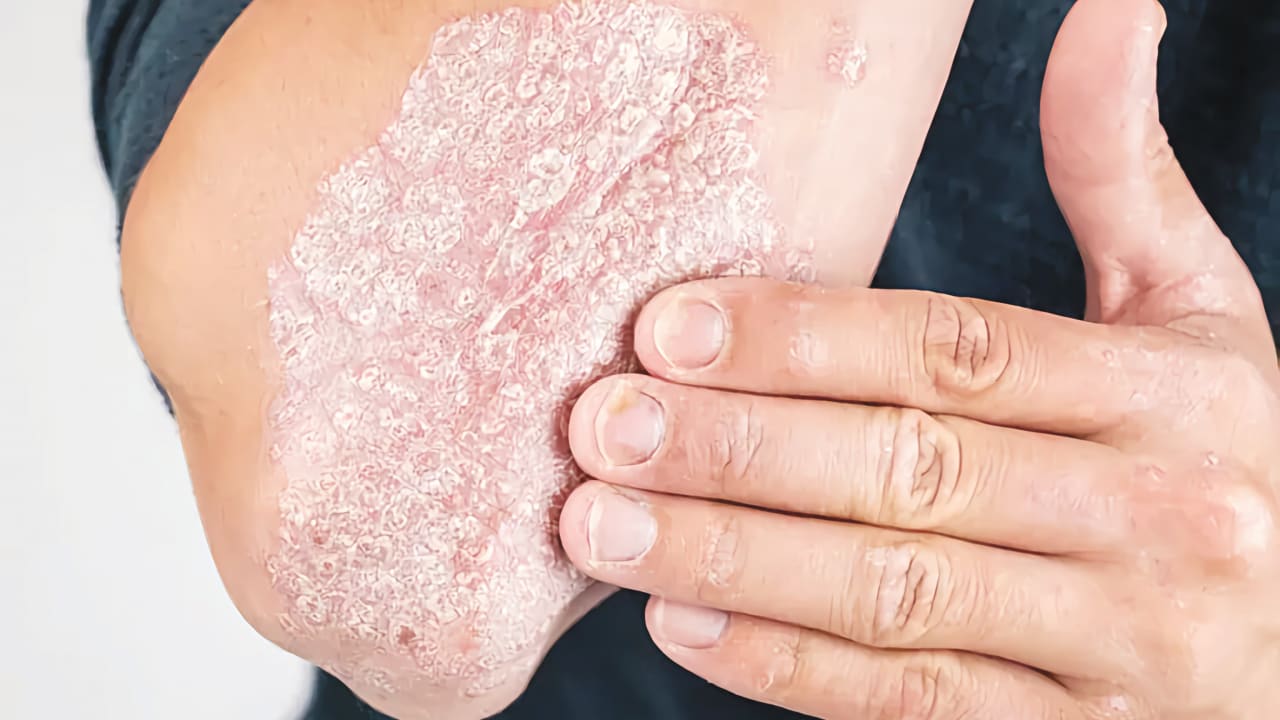
The findings, published in the peer-reviewed journal Cell Reports, reveal a previously unknown mechanism linking skin development to immune protection and new insights into inflammatory skin diseases, such as psoriasis and atopic dermatitis.
The research was conducted by Lotem Adar, Sony Sharma, Bar Schwartz, and colleagues in the laboratories of Prof. Idan Cohen and Prof. Roi Gazit and supported by the Israel Science Foundation.
Using genetically engineered mice, the researchers removed ZNF750 specifically from skin cells while leaving immune cells untouched. The results showed immune cells from the outer skin layer nearly vanished, especially Langerhans cells, which play a key role in immune surveillance. Meanwhile, immune cells in deeper skin layers remained normal.
“This told us the problem wasn’t the immune cells themselves,” said Gazit. “The problem was that the skin was no longer providing what they needed to stay alive.”

Skin is a highly active immune organ. For the skin to function properly, skin cells and immune cells must develop together.
Until now, scientists have not fully understood how this coordination happens.
“Our study shows that skin cells themselves actively support immune cells,” said Idan Cohen. “They don’t just build a wall – they create an environment that allows immune cells to survive and thrive.”
The team discovered that ZNF750 controls the production of IL-34, a molecule released by skin cells that acts as a survival signal for Langerhans cells. Without this gene, IL-34 does not deliver the signal to help these cells. In effect, ZNF750 acts as a primary coordinator, ensuring that as the skin barrier forms, immune protection forms alongside it.
Study may help in treatment of skin disorders
Mutations in ZNF750 are already known to cause rare inherited skin disorders. Langerhans cells are also reduced in psoriasis and atopic dermatitis, conditions marked by disrupted skin immunity.
“These findings help explain why defects in skin structure are often accompanied by immune dysfunction,” said Cohen. “They also point to new therapeutic directions – perhaps restoring key support signals like IL-34 could help rebalance skin immunity.”
Not only is this finding important for skin disorders, but the study highlights a broader biological principle: tissues are built through constant dialogue between structural cells and immune cells, and when that dialogue breaks down, diseases can follow.
“Our work shows that a single gene can coordinate both,” said Gazit. “It’s a powerful example of how the body integrates form and function – and why disrupting one part of the system can have far-reaching consequences.”