4 min readNew DelhiFeb 5, 2026 08:00 PM IST
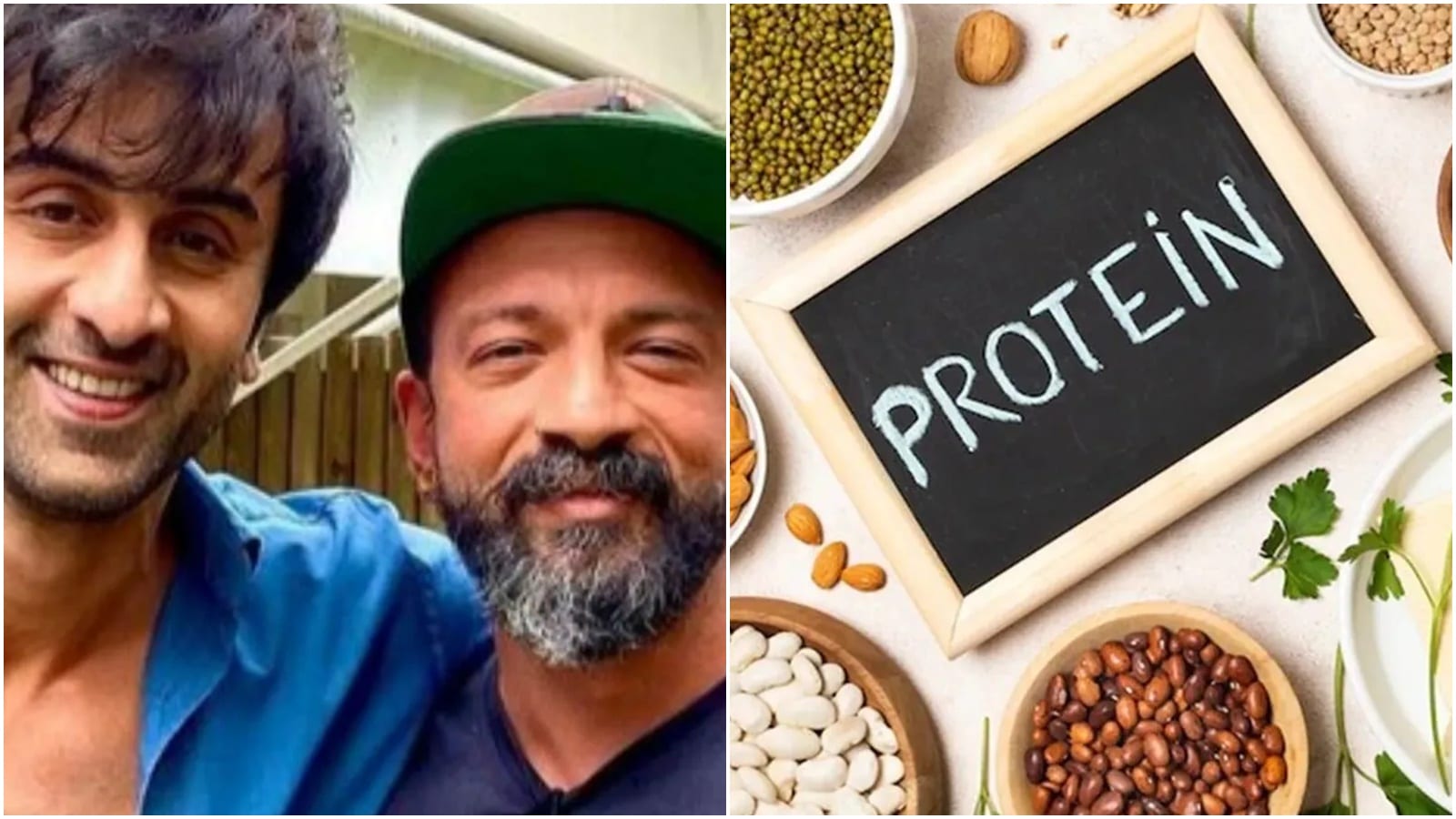
Ranbir Kapoor’s fitness coach Shivohaam gave a simple explanation of protein while revealing that he turned a vegetarian for a year. “People think chicken is protein, mutton is protein, eggs are protein. I have been completely vegetarian for a year. Protein actually means your 20 amino acids, out of which nine are essential, and 11 are non-essential. Non-essential ones are what your body makes. Essential ones are what you need to get from outside,” he told the Men’s Locker Room podcast on Men’s XP‘s YouTube channel.
According to Shivohaam, rice, beans, nuts, and fruits all contain protein. “The reason why we say that animal protein is a complete protein is that it has all nine. Plant protein is incomplete because it has one or two or three amino acids missing. But in our Indian culture, if you combine dal, sabzi, chawal, a little bit of dahi (curd), you end up getting all of them.”

Given the contested nature of protein intake, we decided to verify it with an expert.
Many people assume that high protein automatically means meat, but with thoughtful planning, a vegetarian diet can easily support muscle repair, strength and overall performance. Consultant dietitian and fitness expert Garima Goyal said that protein is essential not only for building and maintaining lean muscle mass but also for recovery after workouts, immune function and hormone balance. “For someone who trains regularly, including strength or resistance work, prioritising adequate protein becomes even more important. A well-structured vegetarian meal plan focuses on combining complementary plant protein sources — such as lentils, chickpeas, beans, tofu, paneer and seeds — to ensure all essential amino acids are covered.”
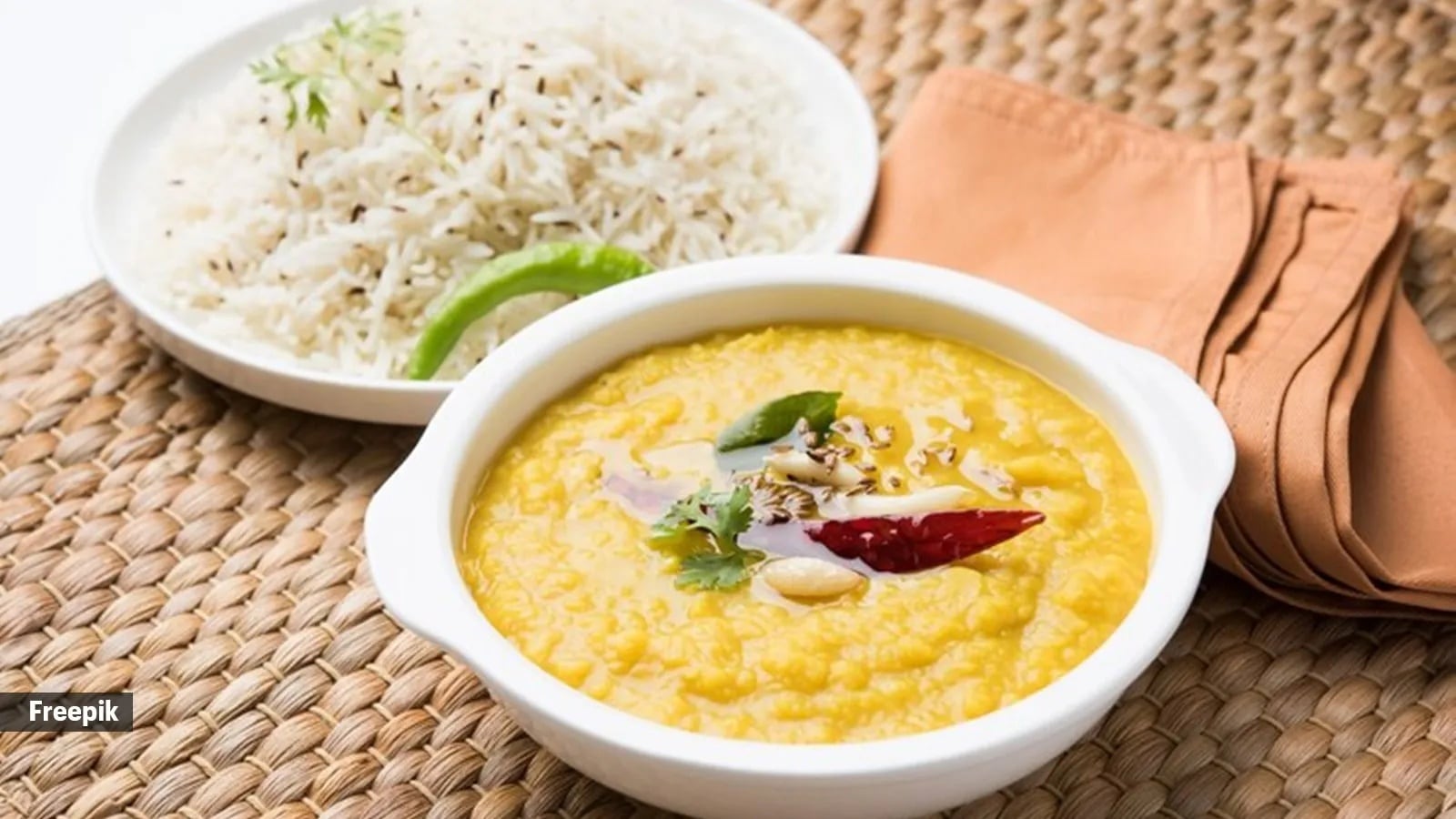 Is dal chawal sabzi enough? (Photo: Freepik)
Pairing different sources throughout the day, rather than relying on a single food, helps the body get a complete protein profile without meat.
Many vegetarian athletes also turn to fortified foods and targeted plant-based proteins when necessary. “Greek yoghurt, cottage cheese, quinoa, soy products and nutrient-rich seeds like chia or pumpkin can elevate the protein content of meals without increasing fat or calories excessively. In some cases, a professionally formulated plant protein supplement can also help fill gaps for those with higher training demands, although whole foods remain the ideal base,” said Goyal.
It’s worth noting that eating a vegetarian diet does not automatically guarantee better health; what matters is the quality and balance of the food. “A diet heavy in refined carbs or processed vegetarian snacks can still fall short of nutritional goals. A thoughtful, protein-focused vegetarian diet paired with consistent training supports performance, recovery and long-term wellness.”
Goyal noted that embracing vegetarianism for a year underlines the message that diet patterns can be adapted to personal values, preferences and goals without compromising fitness results. “Success comes from planning, variety and a clear focus on nutrient-dense foods that fuel the body efficiently,” said Goyal.
Story continues below this ad
DISCLAIMER: This article is based on information from the public domain and/or the experts we spoke to. Always consult your health practitioner before starting any routine.