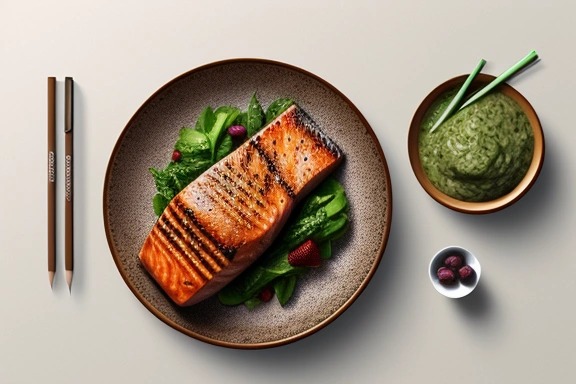
Inflammation is your immune system’s natural response to irritants, injuries, or infections. While short-term inflammation helps you heal, chronic (long-term) inflammation can damage your body over time, increasing your risk of serious conditions like heart disease, certain cancers, and diabetes. While certain foods help fight inflammation, others—like processed snacks, alcohol, and fast food—can make it worse.
Alexander Spatari / Getty Images
Includes: Soda, candy, pastries, ice cream, sweetened drinks
Why It Matters:
High added sugar intake can disrupt your gut health and increase inflammatory markers.
Sugary foods are linked to conditions like heart disease, fatty liver disease, and obesity.
Excess sugar can trigger gut dysbiosis, a bacterial imbalance tied to inflammation.
Alexander Spatari / Getty Images
Includes: Foods high in processed meats, refined grains, added sugar, and salt
Why It Matters:
Fast food can harm your overall health and cause weight gain.
A high-salt diet boosts inflammatory proteins like tumor necrosis factor-alpha (TNF-α) and interleukin-6 (IL-6).
Fast food is linked to inflammatory conditions like rheumatoid arthritis (RA).
Excess salt from fast food can cause atherosclerosis (plaque buildup in the arteries), which increases your risk of heart disease.
istetiana / Getty Images
Includes: Grilled steak, bacon, hot dogs
Why It Matters:
Processed meat is linked to inflammatory markers such as C-reactive protein (CRP) and macrophage inflammatory protein (MIP).
Diets high in red meat and processed meat may increase trimethylamine-N-oxide (TMAO), a gut-derived compound linked to inflammation and conditions like heart disease.
Sorin Banica / Getty Images
Includes: French fries, bacon, fried chicken
Why It Matters:
Fried food is high in harmful inflammatory compounds called advanced glycation end products (AGES).
Fried foods may contributes to inflammation, oxidative stress, and cell damage.
Diets high in fried food are linked to accelerated aging and conditions like diabetes, Alzheimer’s disease, multiple sclerosis, heart disease, and certain cancers.
mrs / Getty Images
Includes: Chips, crackers, frozen dinners, sugary baked goods
Why It Matters:
Processed foods are high in added sugar, sodium, and refined grains, which are linked to increased inflammation.
Processed foods may increase your risk of RA and Crohn’s disease.
Theerawit Jirattawevut / Getty Images
Includes: Soybean oil, corn oil, canola oil
Why It Matters:
Omega-6 fatty acids are generally pro-inflammatory. In contrast, omega-3 fats (found in foods like fatty fish) are anti-inflammatory.
These oils may increase your risk of heart disease and type 2 diabetes.
Note: Recent research suggests that linoleic acid, a common source of omega-6, can lower LDL (bad) cholesterol and improve cardiometabolic health. More studies are needed to understand the full health effects of omega-6s. Talk to your healthcare provider about balancing your intake of omega-3 and omega-6 fats.
Erika Bunea / Getty Images
Includes: Fast food, chips, pretzels, salty sauces
Why It Matters:
An excess of salt increases the production of pro-inflammatory proteins in your body.
Foods high in salt can lead to, or worsen, inflammatory bowel disease (IBD).
Added salt is harmful for good gut bacteria.
Grace Cary / Getty Images
Includes: White bread, white rice, pastries
Why It Matters:
Refined grains contain less gut-friendly fiber than whole grains.
These grains may also contribute to weight gain and inflammation in your body.
Stefania Pelfini la Waziya / Getty Images
Includes: Aspartame, sucralose
Why It Matters:
Artificial sweeteners could trigger a pro-inflammatory environment in your digestive tract.
These non-nutritive sweeteners can harm your intestinal microbiota, leading to an imbalanced gut environment and increased inflammation.
Tatiana Sviridova / Getty Images
Includes: Wine, beer, liquor
Why It Matters:
Excess alcohol may triggers the formation of free radicals—highly reactive substances that overwhelm the body’s antioxidant defenses, leading to oxidative stress and inflammation.
Alcohol also increases the production of pro-inflammatory proteins like TNF-α.
Too much alcohol may lead to alcoholic liver disease (ALD).
An anti-inflammatory diet consists of foods known to be high in anti-inflammatory compounds, such as fruits, vegetables, lean protein, nuts, seeds, and healthy fats.
Following an anti-inflammatory diet can:
Combat inflammation
Reduce oxidative stress
Suppress the production of inflammatory markers like TNFα and CRP
Lower your risk of certain cancers and heart disease
Help manage inflammatory conditions like IBD and arthritis
The following foods have powerful anti-inflammatory properties:
Fruits: Berries, apples, grapes, melons, oranges, papaya, lemons, pomegranate, cherries, peaches, nectarines
Vegetables: Kale, spinach, onions, broccoli, cauliflower, peppers, carrots, beets, asparagus, sweet potatoes
Healthy fats: Avocados, olive oil, flaxseed oil, avocado oil
Herbs and spices: Turmeric, parsley, cocoa, garlic, cinnamon, ginger, basil, saffron, rosemary
Seafood: Trout, salmon, sardines, clams, oysters, mussels
Seeds, nuts, and nut butters: Chia seeds, flax seeds, pumpkin seeds, sunflower seeds, walnuts
Whole grains: Oats, quinoa, buckwheat, brown rice, sorghum, bulgar, farro, barley, millet
Legumes: Chickpeas, kidney beans, lentils, black beans
Beverages: Green tea, hibiscus tea, green smoothies, citrus juice, pomegranate juice, tart cherry juice, ginger tea
In addition to avoiding inflammatory foods, you can reduce inflammation by:
Exercising regularly
Managing stress (breathwork, yoga, and mindfulness)
Maintaining a body weight that you and your healthcare provider have determined is optimal for you
Reducing exposure to toxins like pollution
Drinking less alcohol
Avoiding smoking
Note: Some inflammation is caused by factors out of your control, like aging or genetics. If you have a chronic condition like RA or IBD, work with a healthcare provider on a personalized plan.