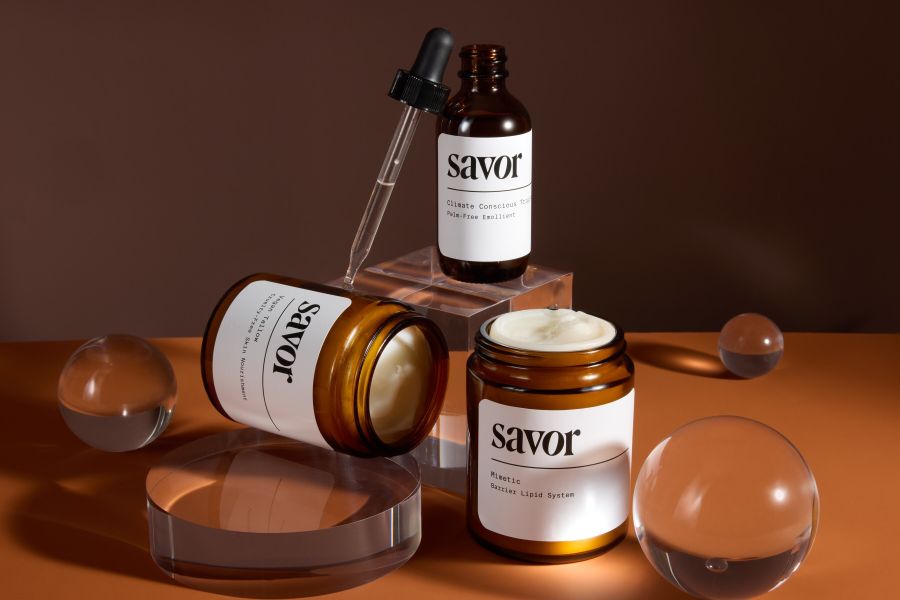
Sustainable fat-alternative ingredients company Savor, is expanding from food and beverages to cosmetics. The company is launching a Personal Care and Beauty (PCB) division as it moves into the clean beauty space.
By transforming carbon into green hydrogen and methane, via a thermochemical process, the technique offers carbon-free fat alternatives with 90% lower carbon emissions than tropical oils. The technology is part of the growing industry shift toward cosmetics that account for environmental cost in production by moving from extraction-based to creation-based beauty.
The use of palm oil in the personal care industry is linked to mass deforestation, ecological degradation, and exploitive labor practices. An estimated 300 football fields are cleared every hour for palm plantations. Thus, habitats and ecological structures are under enormous strain from palm oil demand.

Consequently, the industry is seeing a variety of efforts to mitigate or replace palm oil.
Division PCB’s players
Savor’s initial collection for its new PCB division consists of four main ingredients. The ingredients are designed for skin care, hair care, over-the-counter formulations, and therapeutic care applications.
The company’s Climate Conscious Triglycerides is a palm-free balsam designed to deliver oxidative stability and a smooth sensory glide. Its Vegan Tallow aims to recreate the conditioning performance and rich sensoriality traditionally derived from animal fats.
Savor’s triglycerides recently moved into the regulatory process with the company’s first INCI name, opening the door for formulators to begin including the ingredient in their products.
Savor’s Mimetic ingredient introduces skin-mimicking lipids that help replenish what skin needs for optimal function. The company underlines that while these lipids that mimic the skin’s natural barrier are scarce in plant oils, they can be produced at a large scale through its platform.
“Our process generates lipids that cosmetic chemists have been searching for. They’re rare structures that are abundant in our system yet scarce and expensive in nature,” says Chiara Cecchini, VP of commercialization at Savor.
Completing the range, a petroleum alternative replicates the protective performance formulators expect of petroleum-based ingredients, while sparing the environmental burden associated with their use.
Table to vanity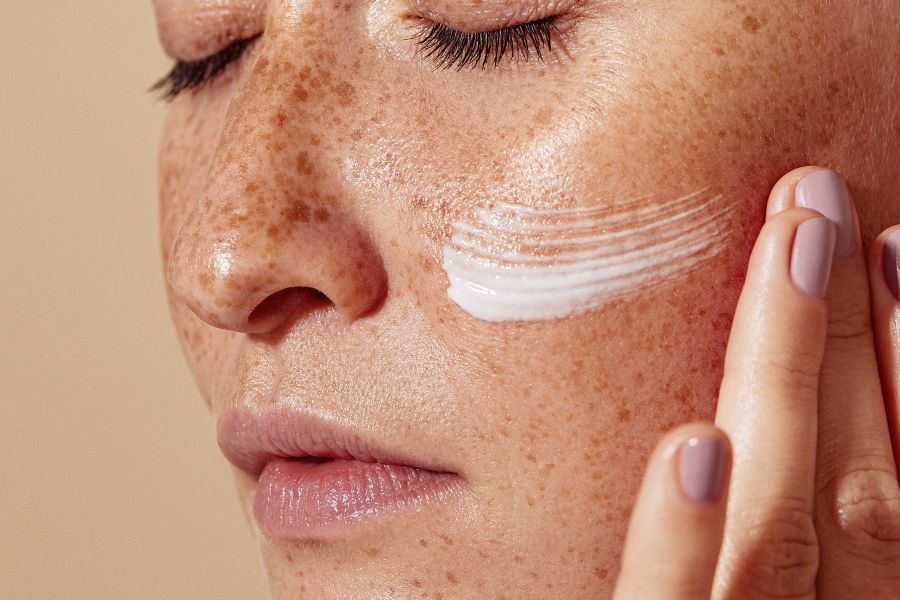 Low-carbon lipids offer a sustainable alternative for skin and hair care product development.
The newly established PCB division applies the same proprietary thermochemical processes that produce Savor’s food-grade fats, highlighting an overlap in ingredients used in both industries.
“Food and personal care share the same upstream supply chains for good reason: the economics favor serving both. By expanding into beauty with a complementary portfolio, we believe we’re building the kind of integrated platform that can scale,” says Cecchini.
As demand from partners across sectors increases, the company’s 25,000-square-foot production facility now supports annual production of sustainable fats at metric-ton scale.
Savor says its entry into the personal care industry has received positive feedback so far. The company presented its platform at Cosmoprof North America in Miami in late January, gaining attention from contract manufacturers and formulators.
The event highlighted market interest in lipids that deliver functional performance while balancing environmental considerations.
Savor is collaborating with personal care formulators, beauty brands, and ingredient distributors to incorporate these materials into commercial formulations. It has a portfolio expansion planned through 2026, with additional lipid ingredients developed for defined performance applications.