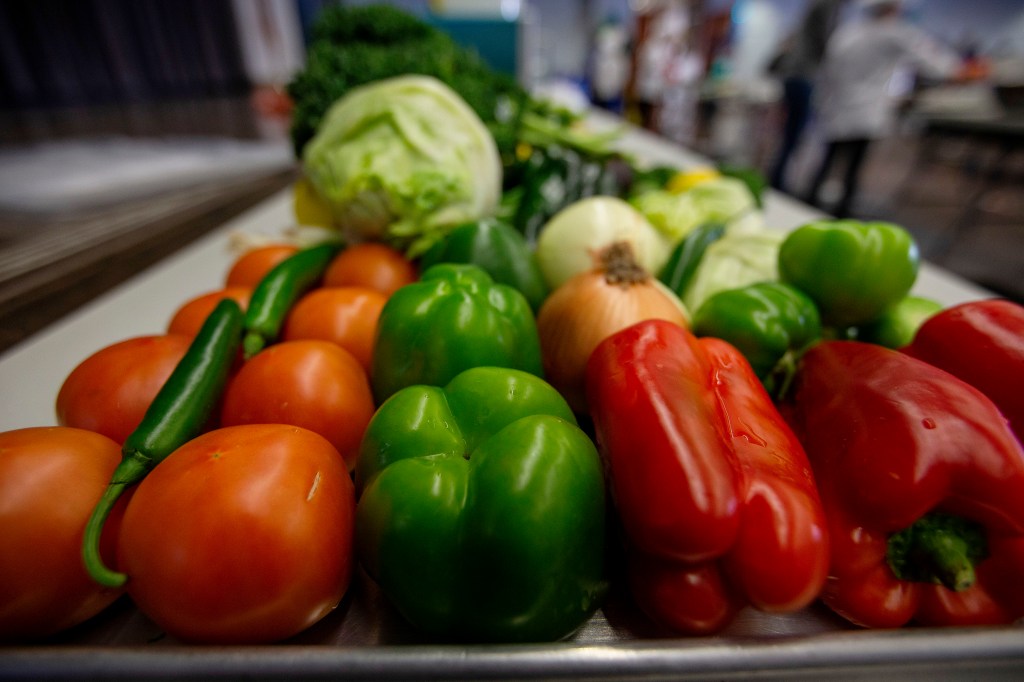
After decades promoting healthy habits and nutrition, wellness education programs across the Inland Empire and Los Angeles County will soon be shuttered.
The San Bernardino County Public Health Department’s Nutrition and Wellness Services is winding down operations and will close April 30, county officials announced in a December news release.
A similar nutrition education program through Riverside County will also sunset April 30, Riverside University Health System – Public Health spokesperson Kerri Mabee said.
And in Los Angeles County, Public Health Department officials said its nutrition education and physical activity program lost much of its funding in fall, and will officially end by June.
Health officials said the decisions came after President Donald Trump’s tax cut and spending bill (H.R.1) passed in summer, ending the U.S. Department of Agriculture’s Supplemental Nutrition Assistance Program Education, known as SNAP-Ed.
The roughly $536 million program was one of the department’s largest dedicated to nutrition education, and helped teach families healthy habits. It was named the USDA’s “evidence-based program that helps people make their SNAP dollars stretch, teaches them how to shop for and cook healthy meals, and lead physically active lifestyles.”
Funding for federal nutrition education through the program ended Sept. 30.
Multiple requests for comment from USDA officials were not returned this week.
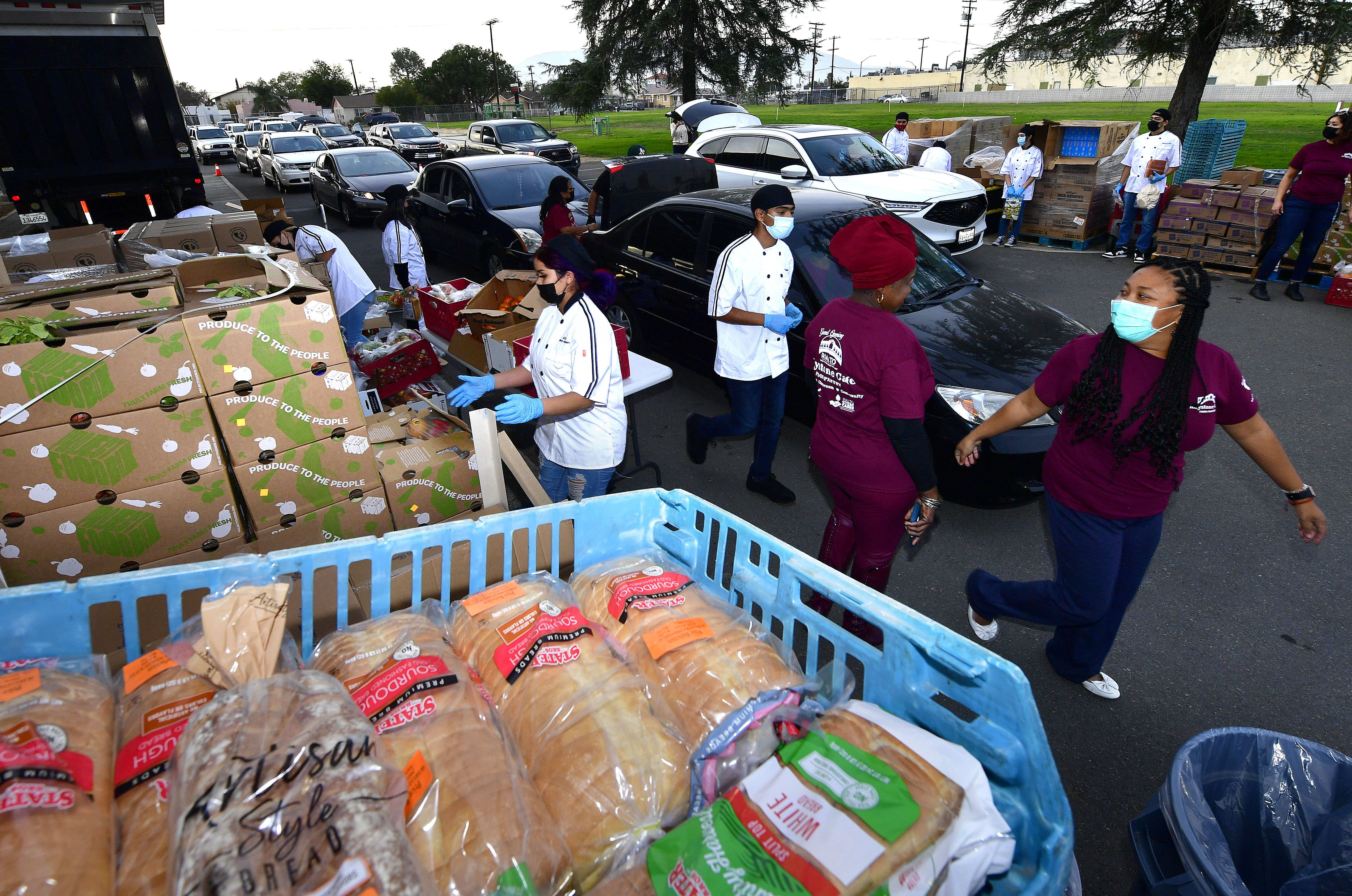
Rialto Unified School District employees and volunteers distribute food at the Chavez Huerta Center of Education in Rialto on Friday, Nov. 19, 2021. (File photo by Will Lester, Inland Valley Daily Bulletin/SCNG)
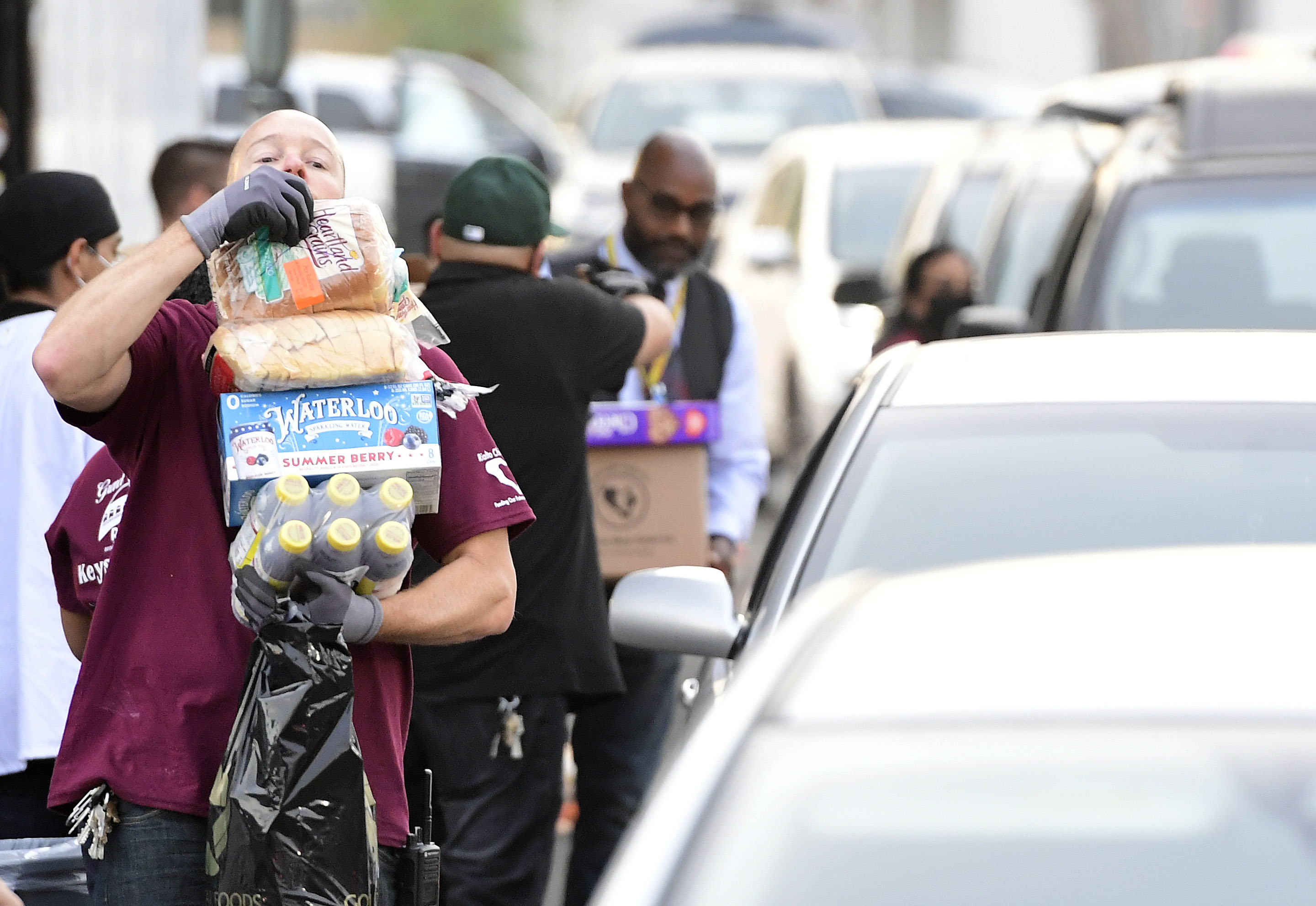
Rialto Unified School District employee Mike Devlin balances food as he takes it to a vehicle during a food distribution event at the Chavez Huerta Center of Education in Rialto on Friday, Nov. 19, 2021. (File photo by Will Lester, Inland Valley Daily Bulletin/SCNG)
Show Caption
1 of 2
Rialto Unified School District employees and volunteers distribute food at the Chavez Huerta Center of Education in Rialto on Friday, Nov. 19, 2021. (File photo by Will Lester, Inland Valley Daily Bulletin/SCNG)
In California, the SNAP-Ed program — also known as CalFresh Healthy Living — will end by June 30, an online notice states. California received more than $132 million for the 2025 fiscal year, the state reported.
The program is different than SNAP aid benefits and food stamps — which have temporarily been restored via an appropriations bill Trump signed in November. Extended funding will last through Sept. 30. This followed fall’s government shutdown that temporarily caused dollars for the SNAP safety net to stop.
Now, states and local jurisdictions are left to shoulder the burden of nutrition education. In the Inland Empire — where food insecurity is common — many worry about the impacts. With the loss of the money, health education programs have been shuffled into other programs and departments, or cut altogether.
In San Bernardino County, the shuttering Nutrition and Wellness Services, established in 1982, participated in health fairs, school events, farmers markets, healthcare clinics and programs for older residents, with the goal of preventing chronic diseases — such as diabetes, obesity or heart disease — through education and resources.
The team consisted of dietitians, nutritionists, and health educators visiting schools, clinics and neighborhoods. They led physical trainings for older adults, nutrition counseling and medical nutrition therapy, and partnered with organizations “to help people make healthy choices easier where they live, learn, eat and shop,” the team’s website states.
It also ran a Nutrition Pantry Program that supported food pantries and connected residents to food distributions and assistance programs.
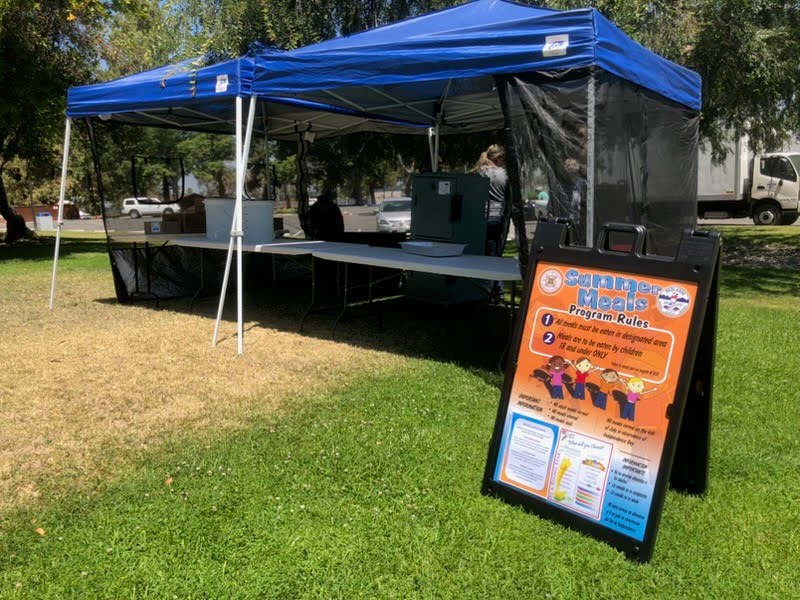
Through its Nutrition Action Partnership, the county’s Nutrition and Wellness Services team joined with organizations to address access to healthy food, especially at schools. The team promoted the student summer meals program to “bridge the gap of food insecurity” during non-school months, officials said.
It also promoted physical activity, fought obesity and addressed food insecurity through meal programs and events, officials said. In 2025, a summer meal program reached over 1,500 children and adults.
San Bernardino Public Health spokesperson Francis Delapaz said nutrition education will continue through community-based initatives, such as the county’s Women, Infants and Children program, the Childhood Lead Poisoning Prevention Program, Black Infant Health and Smile SBC.
“From our very first outreach event to our most recent implementation of a local community garden, our purpose has remained the same: to empower every resident with the knowledge and tools to live a healthier life and to have access to healthy food,” Monique Amis, division chief for Community and Family Health at Public Health, said in a farewell video.
In a message in the program’s monthly digital magazine, Monica Haag, the supervising dietitian at Nutrition and Wellness Services, reflected on its legacy to build “a healthier, more empowered community” in San Bernardino County.
“This decision closes the chapter on a program that transformed health and wellness across California. CalFresh Healthy Living interventions have been a cornerstone of community resilience, empowering families, schools and local organizations to adopt healthier habits and build stronger, more vibrant communities,” Haag wrote.
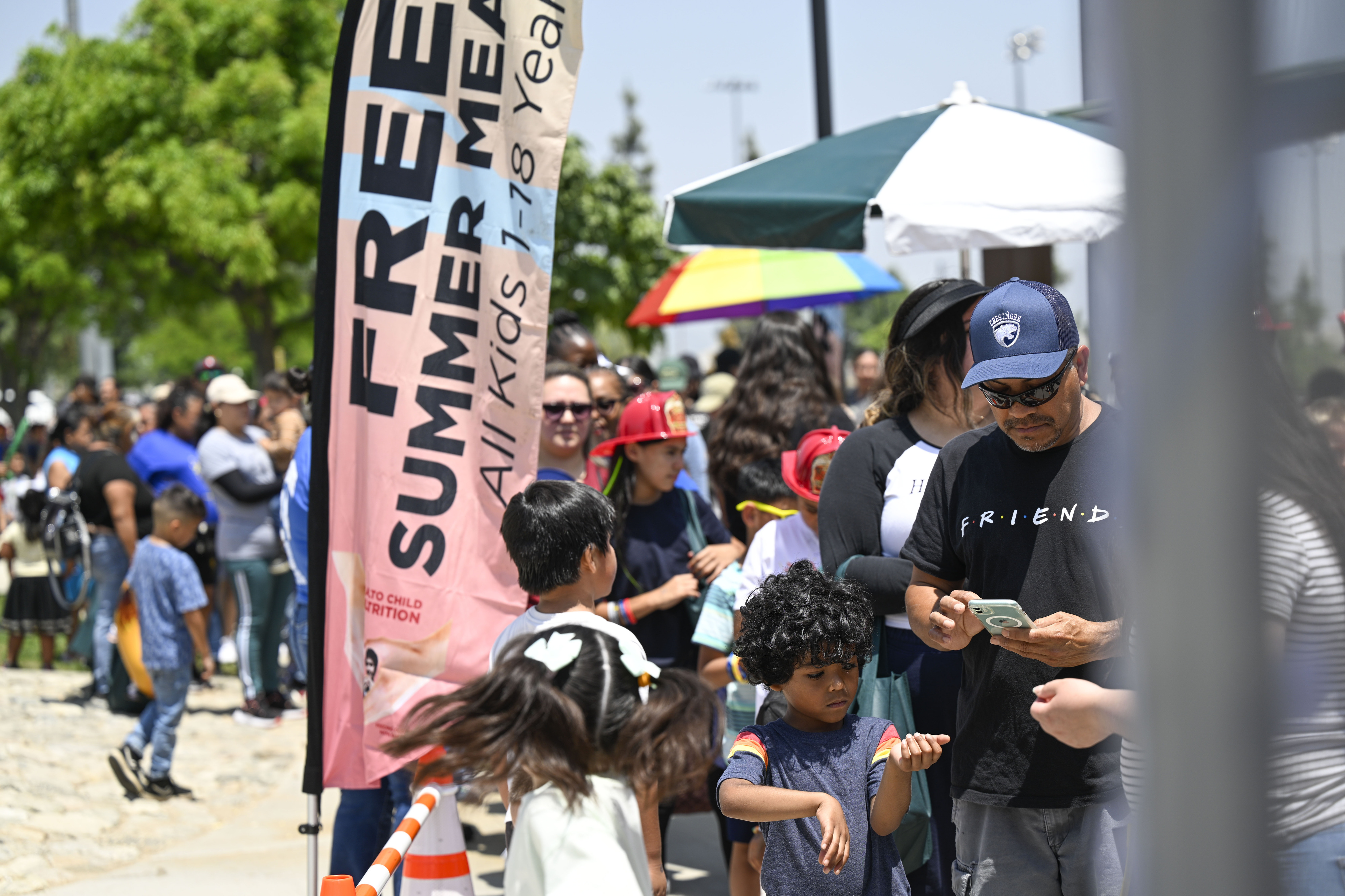
A line for free lunches forms Friday, June 7, 2024, for the Summer Food Service Program sponsored by the Rialto Unified School District at Frisbie Park. (File photo by Anjali Sharif-Paul, The Sun/SCNG)
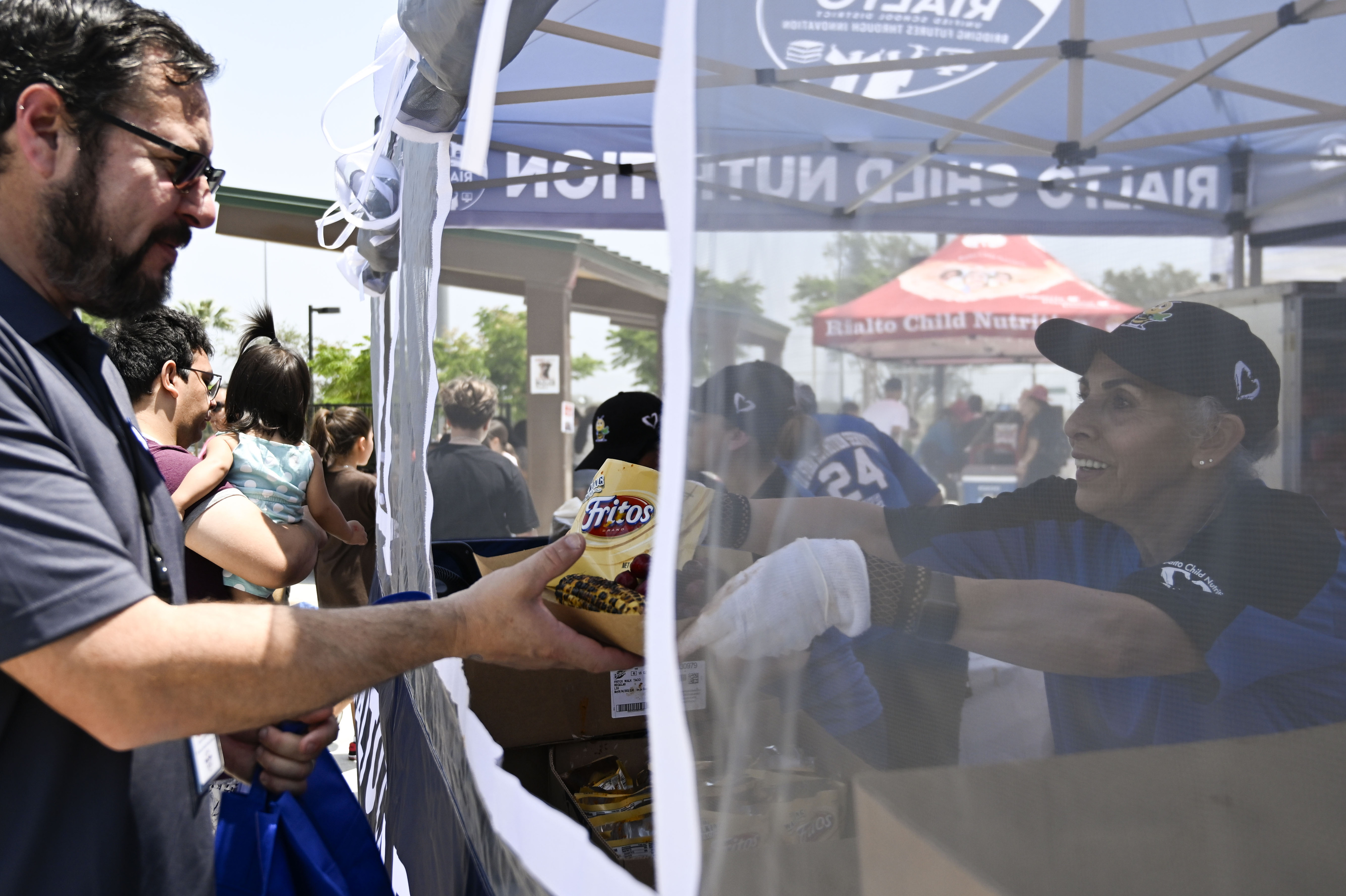
The free Summer Food Service Program, sponsored by the Rialto Unified School District, offers free meals to children at Frisbie Park on Friday, June 7, 2024. (File photo by Anjali Sharif-Paul, The Sun/SCNG)
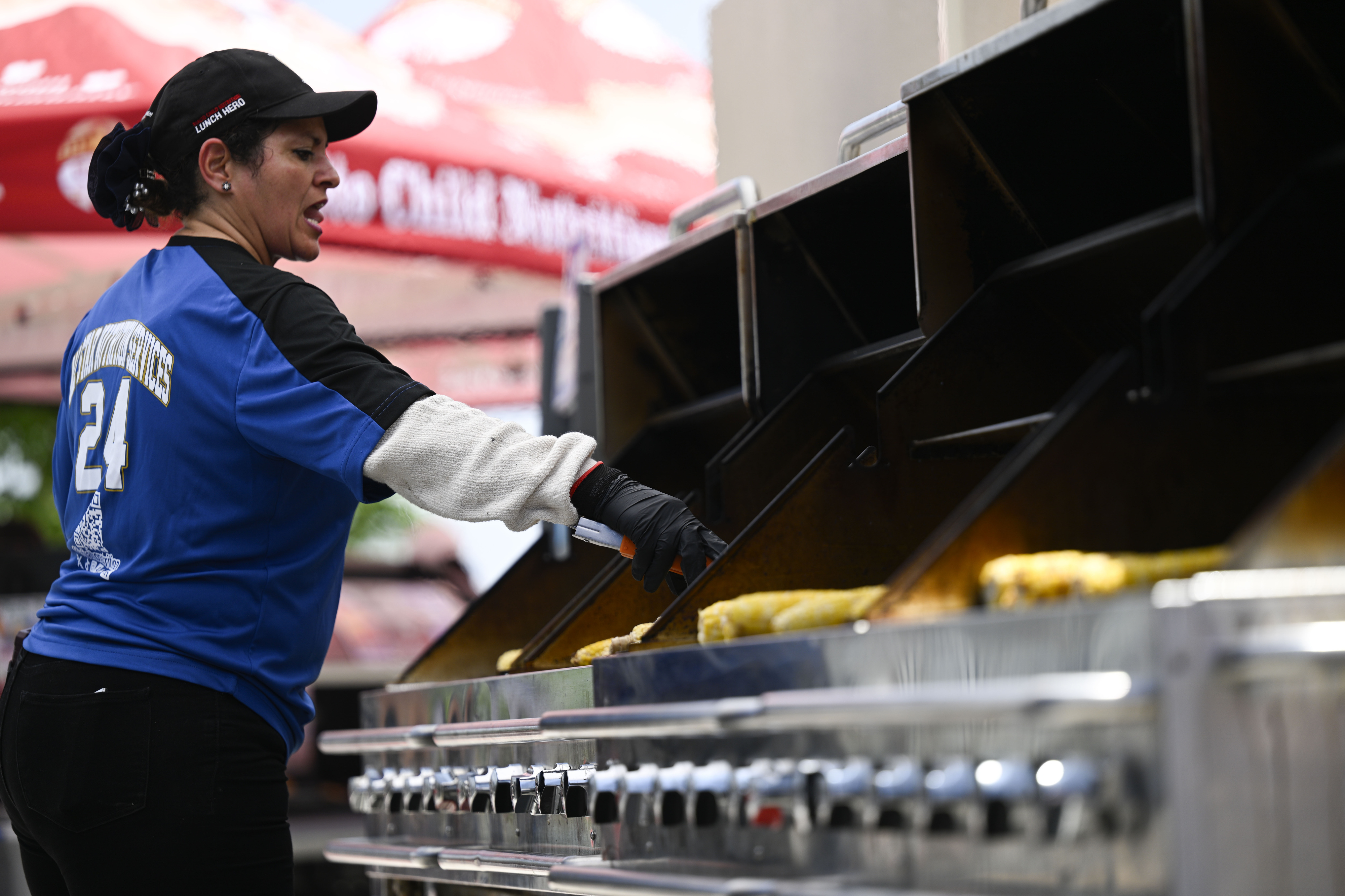
At a Summer Food Service Program event sponsored by the Rialto Unified School District, employees from Rialto Nutrition grill corn for lunch at Frisbie Park on Friday, June 7, 2024. (File photo by Anjali Sharif-Paul, The Sun/SCNG)
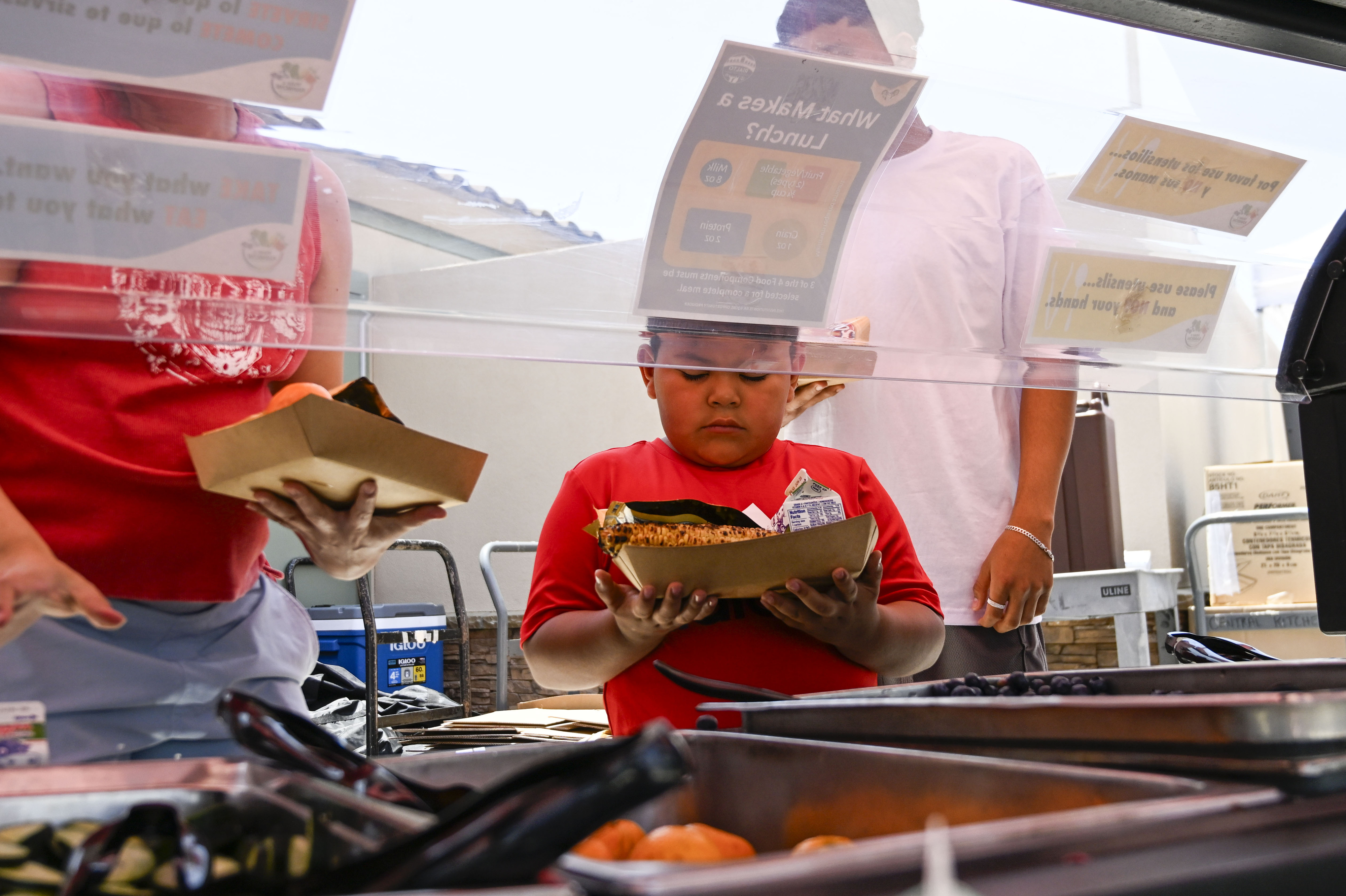
The Summer Food Service Program, sponsored by the Rialto Unified School District, offers free meals at Frisbie Park on Friday, June 7, 2024. (File photo by Anjali Sharif-Paul, The Sun/SCNG)
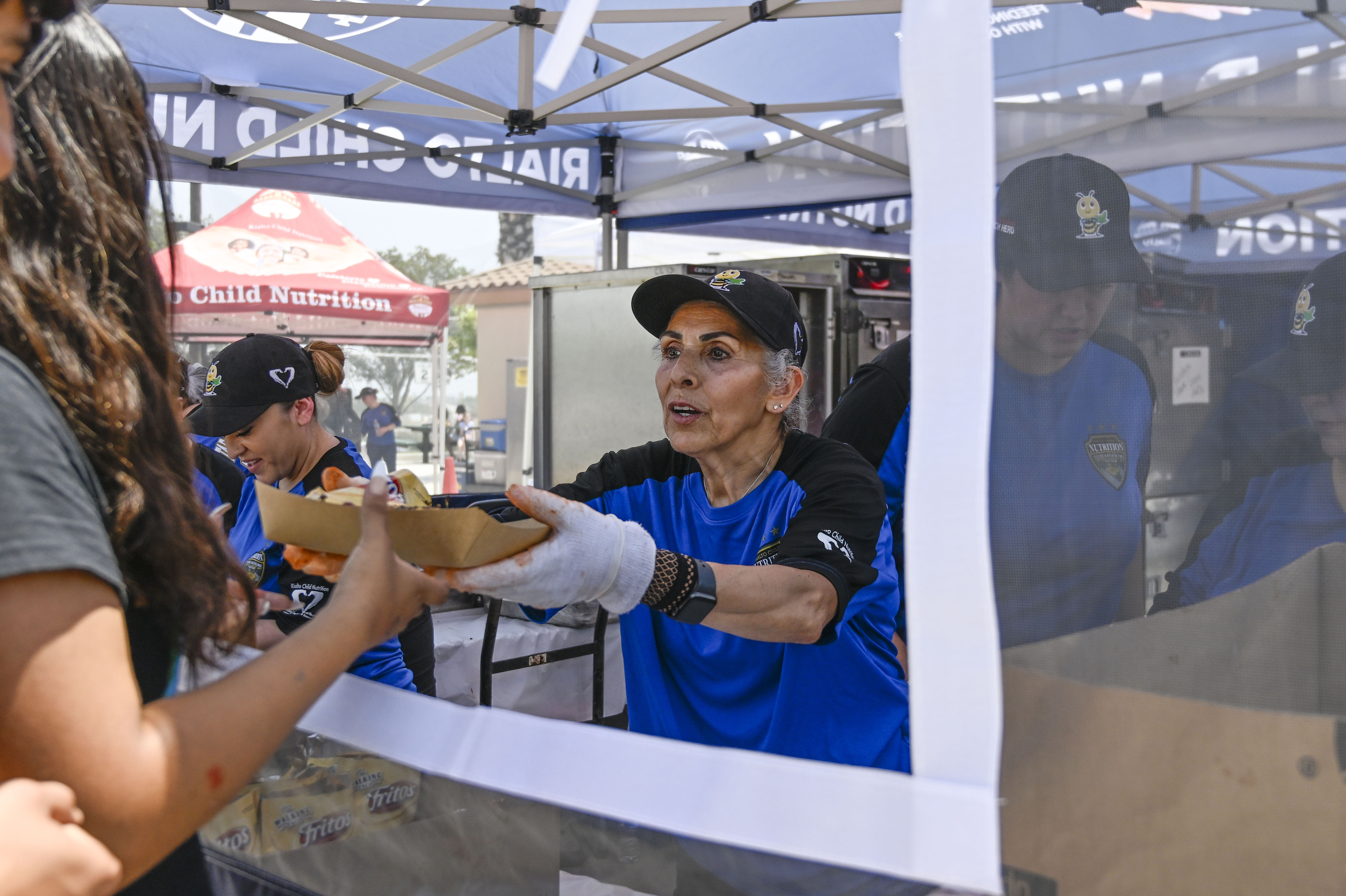
The Summer Food Service Program, sponsored by the Rialto Unified School District, offers free meals at Frisbie Park on Friday, June 7, 2024. (File photo by Anjali Sharif-Paul, The Sun/SCNG)
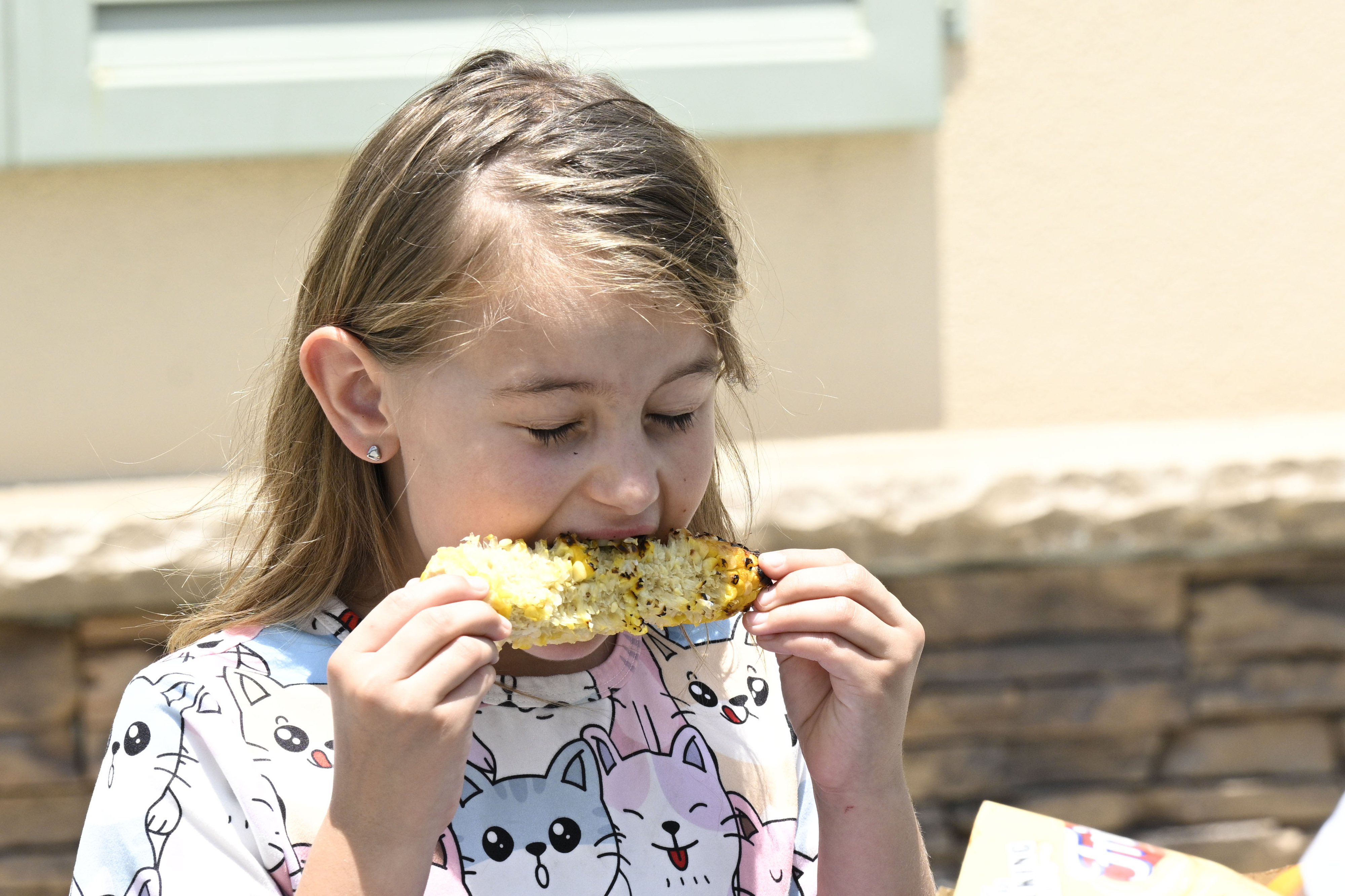
Julia Monheny enjoys her lunch Friday, June 7, 2024, during a Summer Food Service Program event sponsored by the Rialto Unified School District at Frisbie Park. (File photo by Anjali Sharif-Paul, The Sun/SCNG)
Show Caption
1 of 6
A line for free lunches forms Friday, June 7, 2024, for the Summer Food Service Program sponsored by the Rialto Unified School District at Frisbie Park. (File photo by Anjali Sharif-Paul, The Sun/SCNG)
Riverside County’s nutrition health education program was one of California’s first state pilot programs paid for by the federal program, Mabee said. It had a $3.5 million budget for fiscal year 2024-25. With the funding gone, effects include the “elimination of the CalFresh Healthy Living program and the educational resources it offered to Riverside County residents,” Mabee said. Employees were moved to other jobs within the nutrition branch.
As in San Bernardino County, the program focused on healthy living events and nutrition for students and their families. Dietitians will continue working in communities and health centers, as well as in the countywide Blue Zones Project, which focuses on areas including Mead Valley and Riverside to offer health programs that promote long life.
In L.A. County, the public health department lost nearly $14.5 million a year, which started in October. It “has had to ramp down this capacity that prevents chronic diseases,” spokesperson Becky Schlikerman said. All activities that were paid for by CalFresh Healthy Living will continue through June.
“Alternate sources of temporary funding,” if found, will sustain most services and activities through 2026 and into the next fiscal year, Schlikerman said.
After the federal spending bill passed, just over half (56%) of L.A. County’s funding went to 18 partner organizations, Schlikerman said, such as early childhood education centers, school districts, health centers and community groups. The rest supported 11 public health and other employees on contract.
The federal program helped cover more than 5,200 nutrition and physical activity classes, and reached nearly 13,000 low-income adults and children, Schlikerman said. In 2024, the money helped conduct more than 480 free produce distribution events in the county, with 1.6 million pounds distributed to more than 235,000 households.
The program’s elmination will “disproportionately affect communities that are already facing food and health challenges,” Schlikerman said. “This deep cut risks reversing over two decades of progress made in preventing and intervening on diet-related chronic diseases in Los Angeles County, in communities where food insecurity and chronic conditions are already widespread.”
Aspects of CalFresh Healthy Living will continue through L.A. County’s Care First Community Investment, which supports alternatives to incarceration, Schlikerman said. County officials hope to improve access to healthy food in communities affected by the criminal legal system, which often face barriers to food security, healthy food options, housing, employment and education.
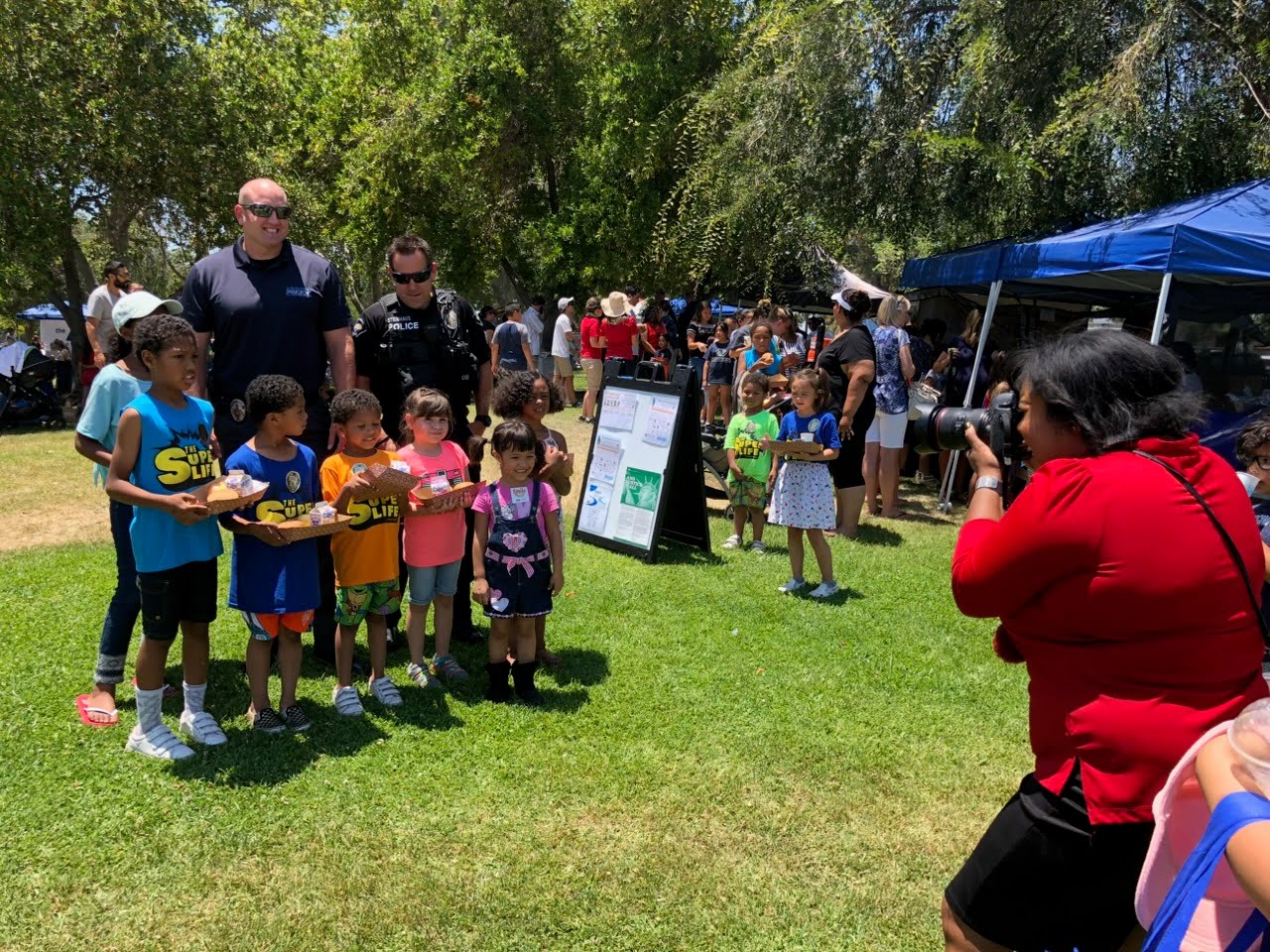
Children pose at a Redlands Unified School District summer meals program event. (Courtesy of Betty Crocker)
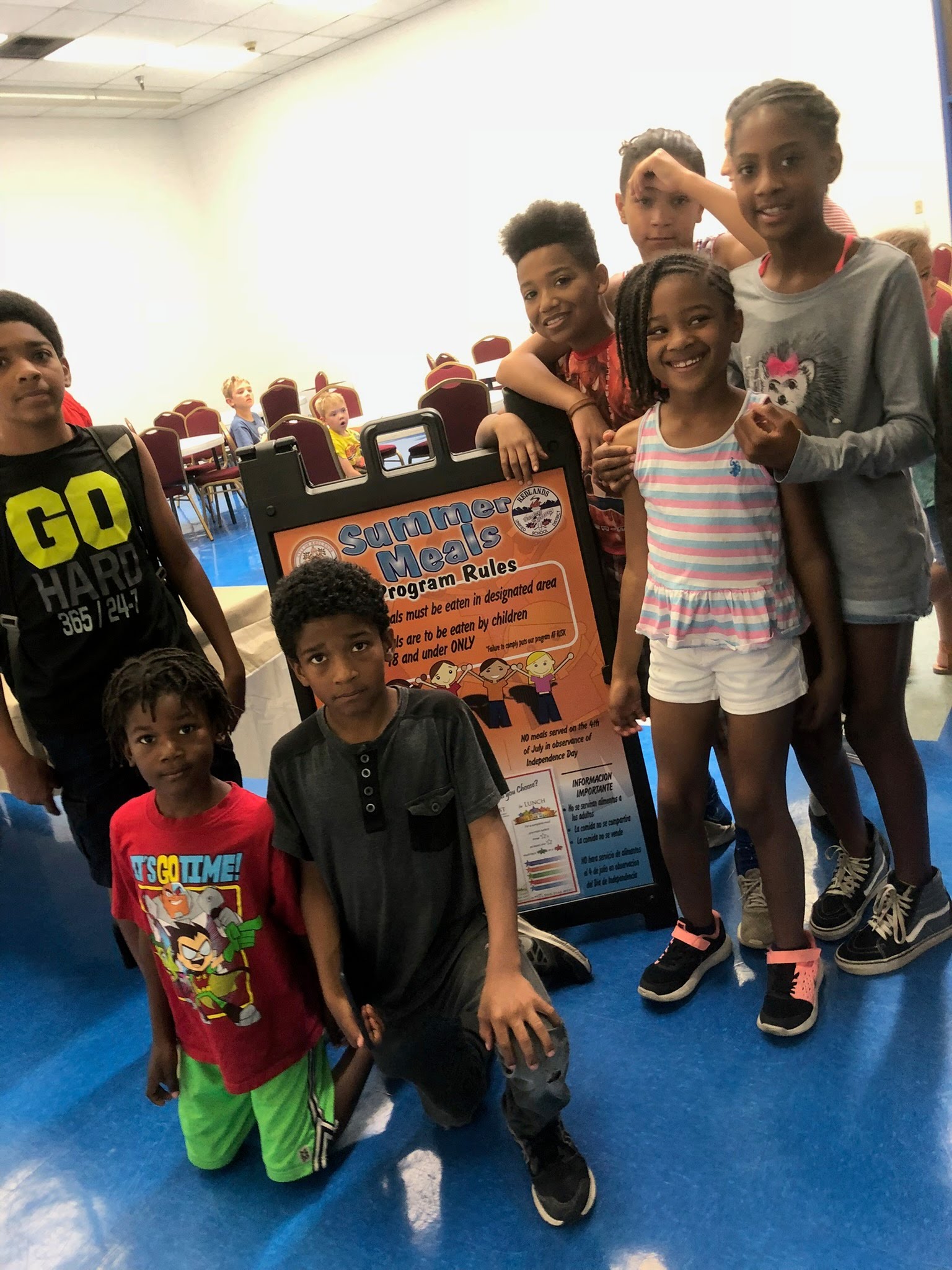
Redlands students are seen at a school district summer meals program event at the Redlands Community Center. (Courtesy of Betty Crocker)
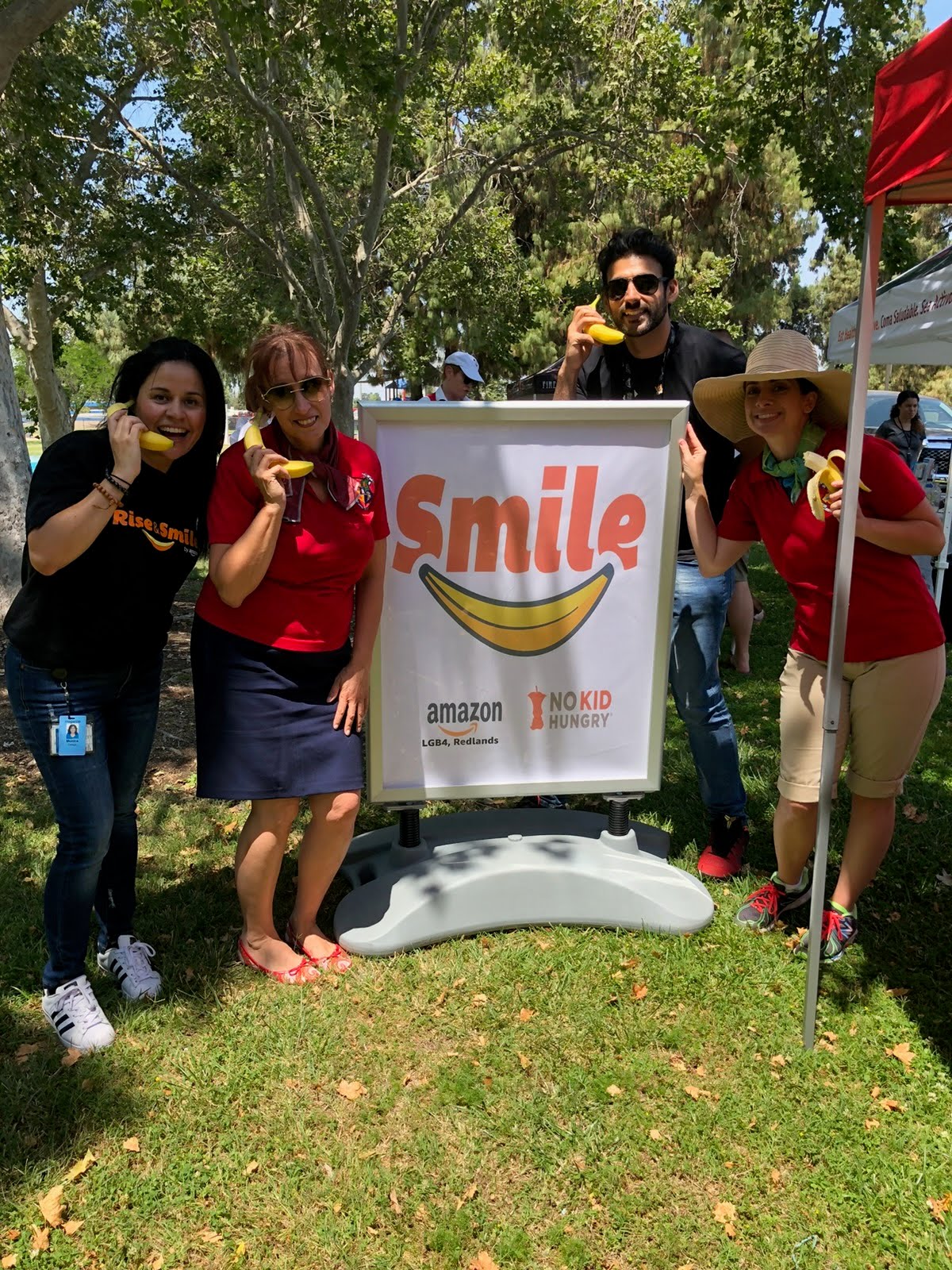
Betty Crocker, second from left, a former Redlands Unified School District child nutritionist, is seen with district staff and organizers at a summer meals program event for Redlands students. (Courtesy of Betty Crocker)
A Redlands Unified School District summer meals program event for local students is seen. (Courtesy of Betty Crocker)
Show Caption
1 of 4
Children pose at a Redlands Unified School District summer meals program event. (Courtesy of Betty Crocker)
Nutritionists and those who worked with these education programs mourned the closures, and some expressed concern about the future of nutrition education.
“It’s devastating,” said Betty Crocker, the former child nutrition services director for the Redlands Unified School District.
Working with San Bernardino County’s Nutrition and Wellness Services, Crocker helped launch the free summer meals program in 2017, in a region she said had the largest gap of meals served to students in need when school’s out. She worked with organizers planning street fairs and health events at parks.
“Its 100% heartbreaking to dismantle such a vibrant resource for our county,” Crocker said. “It’s hard to fathom why this is a viable option.”
Crocker recalled collaborating with nonprofit No Kid Hungry and other counties, with help from program dollars and partnerships, to help schools and agencies safely feed students during the height of the coronavirus pandemic. She recounted partnerships with farmers and organizations to help feed kids.
In San Bernardino County, there is now “no place that connects all 33 school districts and all district partnerships,” Crocker said. “Each will have to run these nutrition programs independently … Funding is one thing, but you have to build and create relevance by involving the community… we’re going to have to develop new resources that support our wellness footprint, and we don’t have a backup plan.”