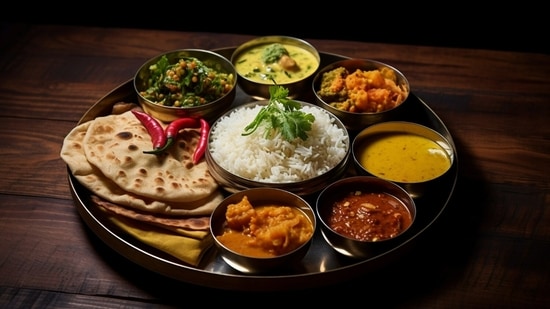
Many Indians are puzzled by steady weight gain and rising lifestyle-related health issues despite relying largely on home-cooked food. The issue often isn’t what people eat, but how much and how frequently they eat throughout the day. Fitness coach and certified nutritionist Kamal Saini says the real problem lies in consuming heavy portions from morning to night, leaving the body with little opportunity to burn excess calories. (Also read: Bengaluru fitness coach shares simple ‘high-protein diet hack’ to lose weight sustainably: ‘Moong sprouts contain 25 g…’ )
 Calorie-dense Indian meals contribute to rising obesity and lifestyle diseases. (Freepik)
Taking to X (formerly Twitter) on February 6, Saini highlighted a common eating pattern he believes is holding many people back from achieving better fitness and long-term health.
What typical high-calorie Indian eating day looks like
According to him, a typical Indian routine often includes a calorie-dense breakfast of two to three aloo parathas with butter and tea, adding nearly 700 to 800 calories. Lunch is equally heavy, usually consisting of four chapatis, rice, papad, sabji and dal, contributing around 800 calories.
The day doesn’t get any lighter with evening snacks, where tea is paired with a full packet of biscuits and namkeen, adding another 700 to 800 calories. Dinner often mirrors lunch with similar portions, again close to 800 calories, followed by late-night snacking on sweets or namkeen that can add another 600 to 800 calories.
Why this eating pattern lead to weight gain over time
Explaining the impact of this pattern, Saini says such daily eating habits can easily push total calorie intake to nearly 4,000 calories, even without counting frequent indulgences like bhature, samosas, gol gappas and chocolates.
“Daily recommended calorie intake for good health is approximately between 2,000 to 2,500 calories for most men and 1,800 to 2,200 calories for most women. This way, you are eating almost 1,500 extra calories daily and that too without any activity which could burn some of those extra calories,” he explains.
Over time, this constant calorie surplus gets stored as fat, increasing the risk of obesity and other lifestyle diseases. Saini stresses that unless people reduce portion sizes, cut down on snacking and balance food intake with physical activity, maintaining long-term fitness and health will remain a challenge.
Note to readers: This article is for informational purposes only and not a substitute for professional medical advice. Always seek the advice of your doctor with any questions about a medical condition.
This report is based on user-generated content from social media. HT.com has not independently verified the claims and does not endorse them.