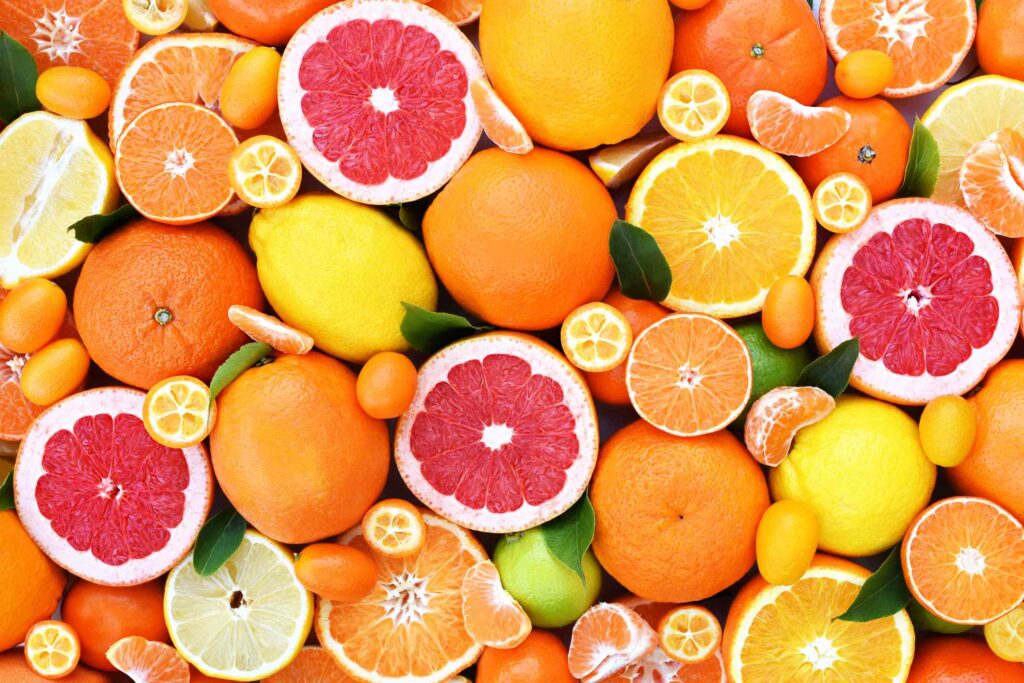
The healthiest citrus fruits offer zesty flavor and a range of nutrients. You’ll find fiber, antioxidants, vitamins, and minerals in these colorful fruits, which support heart, skin, and immune health.
Flori Vasilescu / Getty Images
Oranges are a well-rounded source of nutrition in the citrus family. Here’s a look at what the fruit provides:
A daily dose of vitamin C: One medium orange provides around 83 milligrams of vitamin C. The daily recommended intake of vitamin C for women is 75 milligrams, and for men, 90 milligrams. Vitamin C is an antioxidant your body needs to produce collagen, repair skin, and build blood vessels and other tissues. It also supports your immune system, so you can fight off infections, and protects your cells from damage.
Other protective antioxidants: Oranges contain other powerful antioxidants, such as carotenoids like beta-cryptoxanthin that give the fruit its vibrant color. You’ll also get hesperidin, an antioxidant linked to lower blood pressure and reduced inflammation. This combination of protective compounds makes oranges particularly beneficial for heart health.
Heart-healthy potassium: One orange contains about 237 milligrams of potassium. This nutrient helps regulate your heartbeat and supports healthy muscle function. Men need 3,400 milligrams of potassium each day, while women need 2,600 milligrams. Pregnant people require 2,900 milligrams daily.
Gut-healthy fiber: One medium orange contains about 2.8 grams of fiber. That’s roughly 10% of your daily fiber needs, which is 25 grams for women, and 38 grams for men. Fiber keeps your digestion steady and helps you stay satisfied after eating. Diets high in fiber are linked to lower heart disease risk by improving cholesterol levels and supporting blood sugar control.
Opt for whole oranges rather than juice whenever possible, as the juicing process strips away the beneficial fiber. Dietary guidelines recommend that at least half of your daily fruit intake come from whole fruits for this reason.
Flori Vasilescu / Getty Images
Grapefruit is one of the lowest-calorie citrus fruits, but it still delivers impressive nutritional value. Here are some highlights:
Immune-boosting vitamin C: Like oranges, grapefruits are rich in vitamin C. A serving of half a grapefruit has 39 milligrams of vitamin C, which is around half of your daily requirement.
Heart-healthy lycopene: Pink and red grapefruits stand out from other citrus fruits with their high levels of lycopene, a powerful antioxidant that gives the fruit its pink or red color. Lycopene has been studied for its potential to support heart health and reduce inflammation. One cup of red or pink grapefruit sections contains as much lycopene as a medium tomato.
Protective vitamin A: Grapefruits also provide beta-carotene, which your body converts to vitamin A. This nutrient supports eye health, immune function, and skin health. The combination of lycopene and beta-carotene makes pink and red grapefruits particularly rich in protective compounds.
Soluble fiber in the form of pectin: You’ll also find pectin in grapefruits. This soluble fiber is found in the fruit’s membranes. Research suggests pectin may help lower LDL (bad) cholesterol levels. Eating grapefruit by the section, rather than just scooping out the flesh, allows you to get more of these beneficial membranes.
Grapefruit can interact with certain medications. These include some cholesterol-lowering statins, blood pressure medications, and antihistamines. If you take prescription medications, check with your healthcare provider or pharmacist before adding grapefruit to your diet. They may be able to adjust your medication timing or suggest alternatives that don’t interact with grapefruit.
vikif / Getty Images
You’re unlikely to eat a whole lemon, but its juice and zest pack serious nutritional value. Here’s how they support health:
Citric acid for kidney health: Lemons stand out for their exceptionally high citric acid content. Lemon juice contains around five times more citric acid than orange juice. This compound acts as a natural defense against kidney stones. Kidney stones often form when waste products, such as calcium, crystallize in urine. Citric acid binds to calcium, stopping these crystals from forming into stones. Increasing urinary citrate through diet is an effective way to prevent stones from returning.
Antioxidant power from eriocitrin: Lemons are rich in the flavonoid eriocitrin that acts as a powerful antioxidant. It helps reduce inflammation, supports immune function, and may help prevent chronic diseases by lowering oxidative stress. Research also shows it may have anti-cancer, anti-obesity, and neuroprotective properties.
Patricia Mado / Getty Images
Mandarins, including clementines and tangerines, are smaller, sweeter, and easier to peel than regular oranges. These citrus fruits are a good source of:
Vitamin C: One medium mandarin provides approximately 24 milligrams of vitamin C, about one-third of your daily requirement.Vitamin A through beta-cryptoxanthin: Mandarins are very high in beta-cryptoxanthin, a carotenoid that gives mandarins their deep orange color. They contain significantly more beta-cryptoxanthin than regular oranges. Your body converts beta-cryptoxanthin into vitamin A, which supports immune function, vision, and healthy cell growth.Unique beta-cryptoxanthin benefits: This orange-colored carotenoid may offer its own health benefits beyond vitamin A activity. Studies in women found that high beta-cryptoxanthin intake was associated with higher bone mineral density and lower risk of osteoporosis in postmenopausal women.Fiber: Mandarins also provide 1.6 grams of fiber per fruit, along with potassium and folate.
panida wijitpanya / Getty Images
The pomelo is the largest member of the citrus family and the ancestor of the grapefruit. If you find grapefruit too bitter, the pomelo is a sweeter, milder alternative with wellness benefits.
Daily value of vitamin C: A 230-gram cup of pomelo fruit contains a massive dose of vitamin C, around 130 milligrams. This is more than 100% of your daily value. Potassium: Pomelos are also excellent for heart health as they are rich in potassium.Antioxidant flavonoids: Pomelos are exceptionally rich in flavonoids, like naringin and naringenin, which have potent antioxidant and anti-inflammatory properties.
Like grapefruit, pomelo contains compounds that can interfere with medications. If you take prescription medications, ask your healthcare provider before consuming pomelo.
MarioGuti / Getty Images
Kumquats are unique because you eat the entire fruit, peel and all. Since the peel of citrus fruits often contains a high concentration of beneficial compounds, eating a kumquat gives you a nutritional boost.
The peel is rich in flavonoids, such as phloretin and acacetin, which have anti-inflammatory properties. These compounds neutralize free radicals and reduce oxidative damage, protecting you against inflammation and disease.
Look for citrus fruits that feel firm. The skin should be smooth or slightly textured, without soft spots or bruises.
Citrus fruits can be stored at room temperature for about a week. For longer storage, refrigerate them at 40°F or below to extend their shelf life up to 4 weeks.