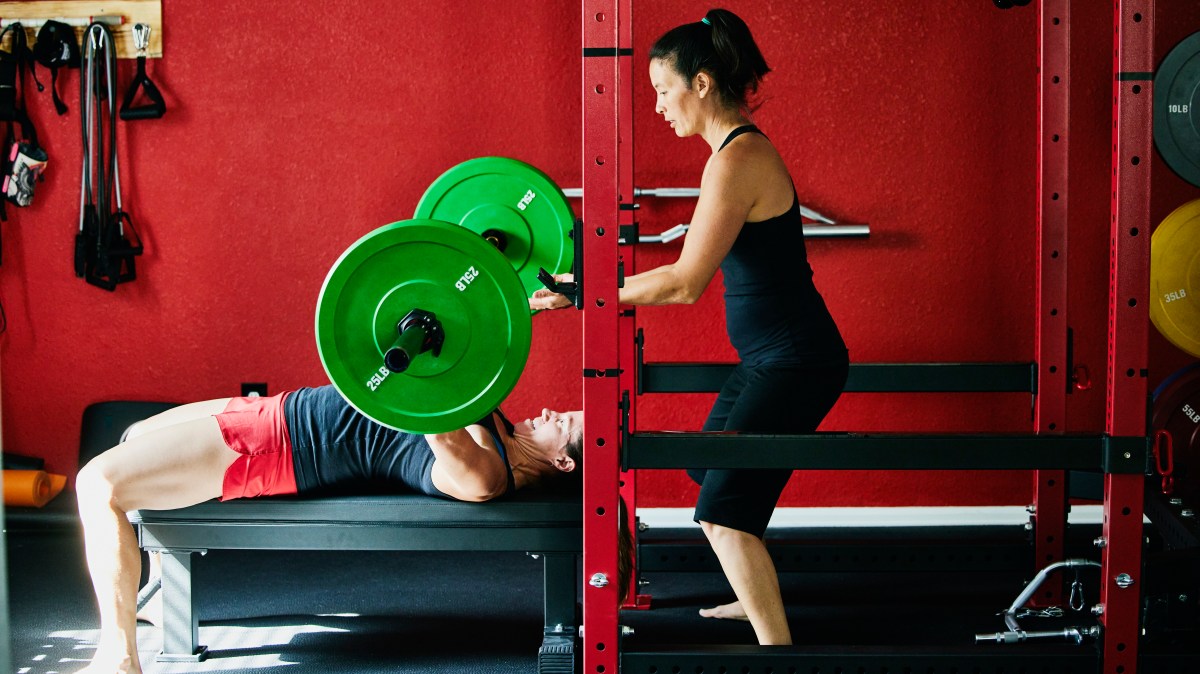
The argument for strength training goes beyond building muscle — it has also been shown to reduce depression, boost bone density and improve your metabolism and cardiovascular function. “Resistance training benefits almost all your organ systems,” says Brad Schoenfeld, professor of exercise science at Lehman College in New York.
Still, misconceptions abound. Here’s the truth about some of the most common.
1. It won’t help you lose weight
“When it comes to fat loss, cardio is often hailed as the ultimate tool — but weightlifting can be even more effective,” says Josh Summersgill, a weightlifting coach and Olympic methods trainer. He says it can stimulate testosterone and growth hormone, which speed up fat metabolism and muscle growth. “Cardio lacks this hormonal boost,” he says.
For the most balanced and effective body-fat reduction, lift weights three times a week and add two to three cardio sessions.
• Weightlifting: how to get started (however strong you are)
2. You need to eat loads of protein
“Since protein is the main constituent of muscle it seems logical that eating more of it would increase size and strength,” says Anita Bean, the author of The Complete Guide to Sports Nutrition. “But most people, including athletes, consume enough protein without using supplements.” If you’re active, aim for 1-1.5g protein per kg of bodyweight per day.
And don’t neglect your carbohydrate intake. “This food group supports muscle growth indirectly,” Bean says. She explains that it boosts insulin, which reduces muscle breakdown and provides fuel to allow for longer and more intense training. For most active people, 3-6g carbohydrate per kg of bodyweight daily is about right.
3. The weights you lift should be as heavy as possible
“Watching Olympic lifting might make you want to chase heavier loads,” Summersgill says. “But working to your maximum level for just one lift can lead to injuries.”
Instead, focus on triggering myofibrillar hypertrophy — this is where the body works to repair microtears in muscle fibres, and can lead to increased muscle strength and density. You don’t have to go all out: about 80 per cent of your maximum exertion will do, Summersgill says. “Go for one to five reps with three to six sets. Rest for two to four minutes between sets.”
• How to lose inches with the only strength workout you need
4. You need to train every day
It’s clear: you shouldn’t. “The body needs time to repair so muscle fibres can come back stronger,” says Belle Mee, a personal trainer. “Weight training three to five days a week is the sweet spot.” Schoenfeld recommends a minimum dose of two 30-minute sessions a week.
5. If it hurts, that’s good
“Pain is a signal,” says Uzo Ehiogu, a physiotherapist at the Royal Orthopaedic Hospital in Birmingham. “Some discomfort when training is fine — but if the pain is sharp, stabbing, within the joint or along the spine, this is a red flag.” If you experience these, dizziness or chest pain, stop and try RICE (rest, ice, compression, elevation). If it still hurts after one to three days, speak to a GP or sports therapist.”