Juice bars are passé. Ultra-luxury hotels sell longevity with diagnostics, IV drips, and biohacking, and the price tags prove it.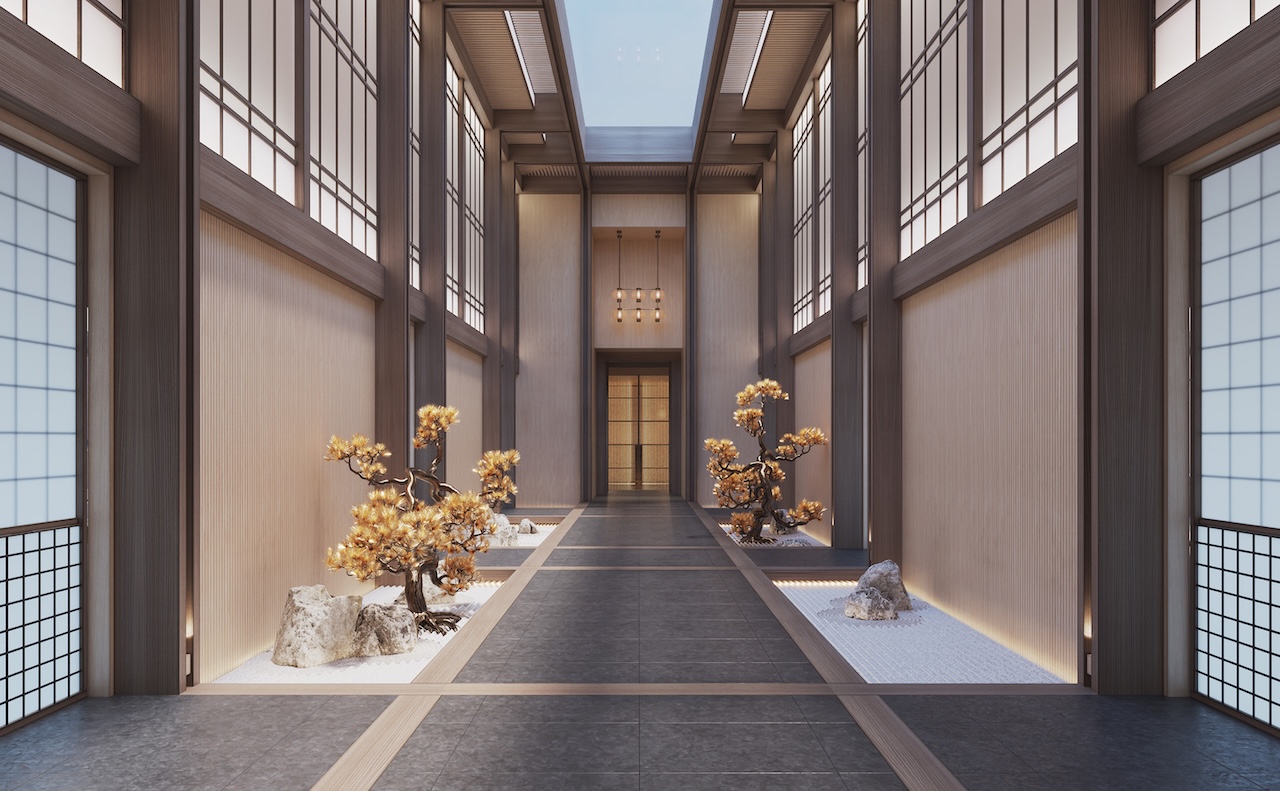 Amangati Spa – courtesy of Aman at Sea
Wellness Was The Warm-Up
For the last decade, “wellness” in high-end hospitality has been a pretty predictable script: a better gym, a nicer spa, a green juice bar that looks great on Instagram, maybe a sunrise yoga class if you can peel yourself out of bed.
That is not going away. But the ultra-wealthy segment is already moving on, because the status symbol is no longer “I relaxed.” It is “I optimized.” And that shift is turning hotels (and now some luxury cruises) into something closer to a longevity clubhouse with room service. While wellness and fitness initiatives have clear demonstrable evidence of efficacy, longevity efforts are a new entrant with fewer direct correlations to qualitative outcomes.
Longevity Vs Wellness: What’s Actually Different
Wellness is generally about feeling better now: stress reduction, sleep, movement, mindfulness, lighter food, spa treatments, maybe a personal training session. It is hospitality-friendly because you can bolt it onto a resort without changing the entire operating model.
Longevity is trying to “extend healthspan”, meaning the years you are healthy and functional, not just alive. That is why the vocabulary changes quickly from “self-care” to “biomarkers,” “protocols,” and “baseline testing.” The hospitality version typically includes:
Medical-style intake and diagnostics: clinical analyses, functional assessments, and targeted testing to identify risks and opportunities.
Therapies with a clinical edge: IV infusions, hyperbaric oxygen therapy, cryotherapy, red light therapy, ozone therapy, and similar “treat the system” tools rather than “treat the mood.”
Food as a designed intervention: anti-inflammatory menus, structured nutrition plans, and programs that treat meals like part of the treatment stack, not a vacation splurge.
A longer runway: the point is not a one-hour massage, it is a multi-day (or multi-week) program with measurable outcomes and follow-up.
In other words, wellness sells relaxation. Longevity sells results, or at least the appearance of results backed by data. It also achieves commanding a super premium, not just because of the services rendered but also the clientele seeking it.
Healthy lifestyles with consistent physical activity may help stave off cardiovascular disease, but anti-aging is more than lifestyle choices. Human longevity of course hopes to keep people living longer but less about life expectancy, it’s about improving living conditions for longer. It may prevent diseases but that’s not really the design as much as a rigorous wellness practice may be.
The Cruise Lines Aren’t Far Behind
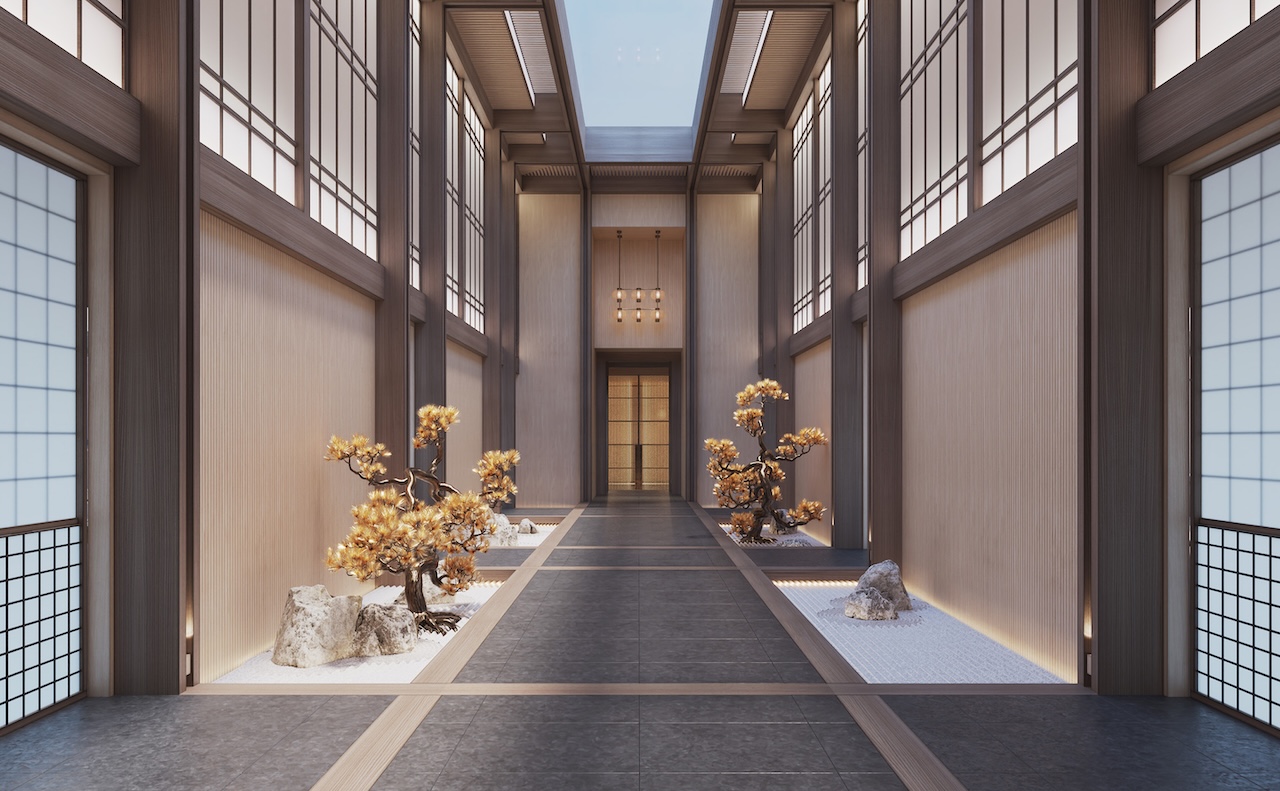
If you want a clean signal that this trend has legs, look at how quickly it is spilling onto the water. Aman’s upcoming ship, Amangati, is explicitly positioning wellness around four pillars (nutrition, movement, psychological health, and bodywork) and adds a Medi Spa with consultation rooms and advanced therapies overseen by expert practitioners. That is a meaningful step beyond “spa at sea.”
This matters because cruise ships are the ultimate captive audience. If luxury cruising starts packaging “longevity weeks” the way it packages wine sailings, you can expect the land-based players to keep escalating.
Who Offers Longevity And What Does It Cost?
The easiest way to understand the jump from wellness to longevity is the pricing. Any resort can sell you a massage and a smoothie. Longevity programs are selling a protocol, and the sticker shock is a feature, not a bug.
Six Senses Ibiza (RoseBar Longevity)
Six Senses Ibiza offers “Longevity with RoseBar” that reads like a modern biohacking menu: functional medicine consults, sauna and cold plunge circuits, cryotherapy, red light therapy, hyperbaric oxygen therapy, a “Longevity Boost Infusion,” and ozone therapy, plus supplementation planning. Pricing for three-day options starts at €2,500 per person (with five and seven day packages shown at €3,900 and €5,500 respectively), with accommodation and meals billed separately.
SHA Wellness Clinic (Advanced Longevity)
SHA’s Advanced Longevity program is positioned as precision-driven, focused on biomarkers and targeted medical protocols, a data-heavy approach. It is priced from €7,500 (or $8,800 at time of writing) for 7 nights.
Chenot Palace Weggis (Chenot Method Programs)
Chenot’s program model bundles diagnostic tests, medical consultations, signature treatments, and the Chenot Diet. The published starting point is from CHF 5,500 (about $7,100 at time of writing) for a 7-night program, with accommodation priced separately (noted as starting from CHF 410 per night).
Clinique La Prairie (Switzerland)
Clinique La Prairie is one of the original powers of “longevity as luxury.” Its “Revitalisation” program is listed from CHF 29,200 ($37,500 USD) for 7 days, 6 nights, while Revitalisation Premium is listed from CHF 50,250. The details lean heavily into proprietary protocols, immuno-nutrition, and curated menus.
Of note, this brand was featured at ILTM, the largest luxury conference in the travel industry, discussing longevity and its focus at great length. It’s considered to be one of the innovators in the space.
RAKxa (Thailand) Integrative Longevity
RAKxa publishes clear package pricing for RAKxa Integrative Longevity, including accommodation and full-board wellness cuisine: THB 505,000 per person (single occupancy) or THB 440,000 per person (double occupancy) a range of $15-16,000 USD.
Why The Price Tags Get Absurd So Fast
Longevity programs cost more for practical reasons, and because luxury has always been at least partly theater.
First, these programs require credentialed staff and specialized equipment. Hyperbaric chambers, diagnostic tools, medical consult time, and supervised protocols are not cheap to run, and they are not easy to scale. Over time, with success, the costs may come down but it’s equally likely that success causes prices to surge as well.
Second, longevity is sold as structured scarcity. You are not buying “access to a spa.” You are buying something framed as scarce and personalized: limited slots, pre-arrival screening, tailored plans, and a narrative that your program is built around your own personal biomarkers.
Third, hotels love longevity because it is a revenue engine that stacks. Even when the “program price” is separate, it drives longer stays, higher daily spend, and a reason to upsell everything from private training to upgraded villas. Industry coverage is already framing longevity as a profit driver, not a fringe spa trend.
The Overarching Themes I’m Seeing
The most important shift is that luxury hospitality is trying to move from pampering to performance. “Wellness” was often a vibe where longevity is a system. Another theme is that food has been promoted from amenity to an essential component of the stay. Anti-inflammatory menus and prescribed nutrition plans are no longer a “nice-to-have,” they are positioned as a core mechanism of change.
Finally, this is being pulled forward by a broader market reality: wellness travel is big business, and it is still growing. When the macro market is this large, luxury operators will keep chasing the next premium tier that feels defensible and exclusive.
It also has a feeling of being simply the next evolution. When wellness became such a focus that some chains made it their identity there had to be a next level and longevity fits that role.
Conclusion
Programs look like a collaboration between a medical clinic, a performance lab, and a luxury resort. Longevity is not just “wellness with better branding.” It is the medicalization of the luxury escape, where diagnostics replace platitudes, menus are engineered, and treatments look closer to a clinic than a spa. The hotels mentioned (and many I didn’t) are already selling structured longevity programs with published prices that embarrass wellness programs, and the cruise world is starting to follow with offerings like Aman’s Amangati and its Medi Spa concept. The bigger point is simple: in the ultra-wealthy segment, the flex is no longer that you took time off. The flex is that you came back improved, with a protocol, a plan, and a receipt to prove it.
What do you think?

Get Daily Updates
Join our mailing list for a daily summary of posts! We never sell your info.
You have Successfully Subscribed!