Tharos’ new report traces how Antarctic krill oil evolved from early aquafeed trials into a premium human nutrition ingredient.
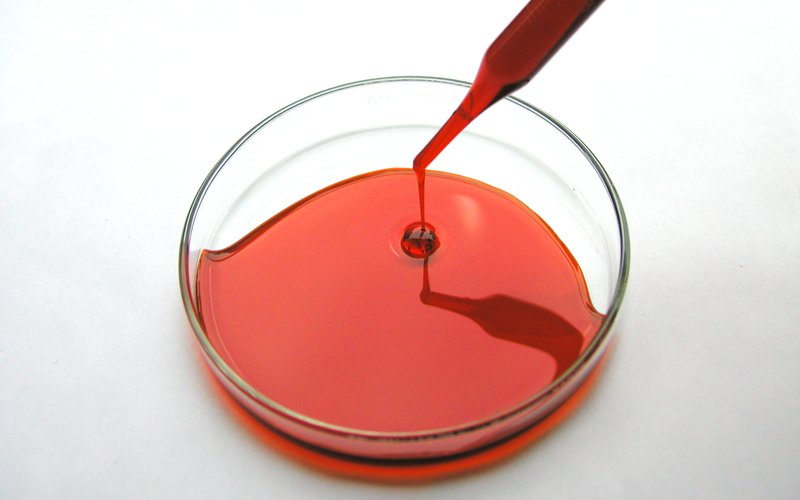
Tharos has released a new report, How Krill Oil Reached Our Lives: Our Journey Through Krill Oil History, which provides a comprehensive historical and strategic review of the Antarctic krill oil industry. It traces krill oil’s evolution from early experimental uses, including aquafeed applications, to its current position as a premium ingredient in human nutrition.
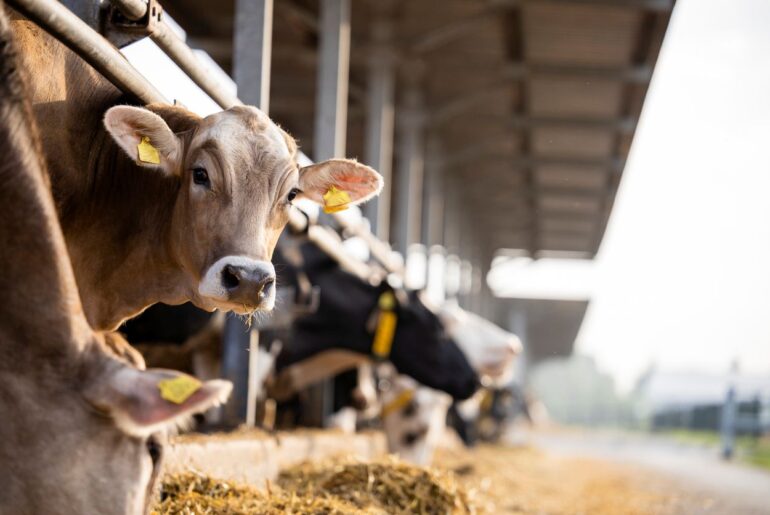
While krill meal and other krill-derived products have long been familiar to the aquaculture sector, krill oil followed a different trajectory. The report documents how, throughout the late 1980s, 1990s, and early 2000s, krill oil was actively evaluated for salmon feed and other aquafeed formulations. Interest was driven by its phospholipid-bound omega-3 content, natural astaxanthin, palatability benefits, and functional performance compared to conventional fish oils.
The analysis also explains why large-scale adoption in feed ultimately proved difficult to sustain. Structural constraints, including limited biomass availability, harvesting economics, processing costs, regulatory frameworks, and value-capture strategies, gradually shifted krill oil away from feed applications and toward human nutrition markets, where higher price points could be justified.
“This report is not a formulation manual or a technical feed guide,” said Dimitri Sclabos, CEO of Tharos. “Instead, it offers decision-level intelligence, helping feed producers, ingredient suppliers, and investors understand how krill oil’s role in aquaculture evolved, what constrained its broader use, and what implications this history holds for future ingredient strategies.”
For aquafeed professionals, the report provides:
Historical context on why krill oil was explored in feed and why it did not scaleInsight into the commercial and strategic decisions that reshaped krill utilizationLessons relevant to current debates around novel marine ingredients, functional lipids, and sustainability narrativesPerspective on how feed and food markets compete—and diverge—for the same marine resources
The full report is available directly from the author upon request at dimitrisclabos@tharos.biz.