The freezer aisle can get a bad rap, but it’s one of the smartest places to shop if you’re trying to eat well without sacrificing convenience. Frozen fruits and vegetables are often picked and packed at peak freshness. This means they usually retain nutrients just as well—and sometimes even better—than their fresh counterparts.
We asked registered dietitians to share the frozen foods they always keep stocked at home, and why. So before you get distracted by the French fries and desserts, pick up the following icy staples to make your weeknight cooking faster, more affordable, and more nutritious.
Pre-Cooked Whole Grains
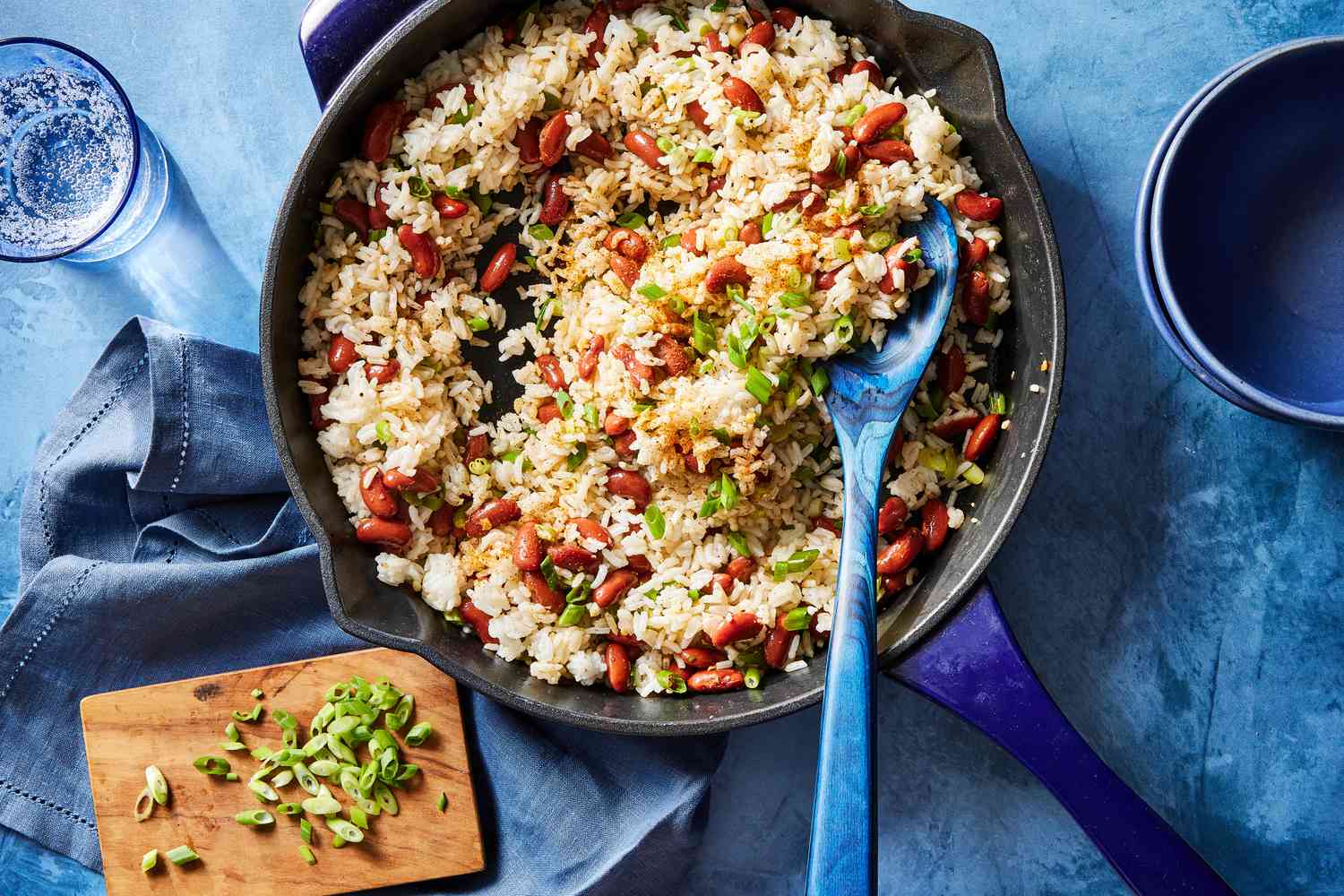
“Pre-cooked, frozen whole grains are just as nutritious as dried grains, and they typically need only three minutes to reheat in the microwave,” says Sheri Gaw, RDN, CDCES, registered dietitian nutritionist and the founder of The Plant Strong Dietitian. “During busy weekday evenings, they can be a time-saving lifesaver since whole grains typically take 40 minutes to cook from scratch.” Pair your thawed brown rice with canned kidney beans for a quick, high-fiber meal, or use it as a base for a stir-fry with frozen veggies and a simple sauce.
As to why they’re so healthy, Gaw explains that whole grains contain a significant amount of dietary fiber, which is an important nutrient for gut health and diabetes management and prevention. (Just over a cup of frozen brown rice contains 2 grams of fiber, or just about 7% of the recommended daily value (DV).) “Fiber can contribute to better blood sugar control, lower LDL cholesterol levels, and reduced inflammation,” she says.
Leafy Greens
“Frozen leafy greens and other veggies are great for adding extra nutrients to pasta sauces, soups, casseroles, or stir fries,” Gaw says. “Since they are picked and preserved at their peak of ripeness, they may offer more nutrients than fresh greens. Frozen greens can be stored in the freezer for at least eight to 12 months.”
Several leafy greens found in the freezer aisle are also an excellent source of lutein and zeaxanthin. (Half a cup of frozen spinach contains 14.9 milligrams of lutein and zeaxanthin combined.) While there isn’t an agreed-upon daily value (DV) for these nutrients, health experts often recommend 10 to 12 milligrams per day based on clinical studies. Gaw says these underrated carotenoids may provide benefits that can improve eye, skin, brain, heart, and bone health when consumed consistently.
Blueberries
“Frozen blueberries are always in my kitchen because they’re packed with antioxidants, a great fiber food, and very versatile,” says Amanda Sauceda, MS, RD, registered dietitian and the founder of The Mindful Gut. “My favorite ways to use frozen blueberries include adding them to drinks as ice cubes, using them to make a simple chia jam, adding a few to grilled cheese, or popping them in a breakfast smoothie.”
Blueberries are a great option if you’re looking for something to support your gut health. “There are 4 grams of fiber for every cup of blueberries,” Sauceda says. “But blueberries are more than just fiber: research has linked them to supporting a healthy gut barrier as well as helping with inflammation.”
Grass-Fed Beef
We can’t emphasize this enough: When you buy high-quality frozen foods, they have typically been frozen at peak freshness, so their nutrients and flavor are preserved at their best. “Keep grass-fed steaks on hand to defrost in the morning and quickly cook on the grill or stove for dinner with an easy salad,” says Amy Shapiro, MS, RD, CDN, registered dietitian and the lead nutritionist for ButcherBox. “Or stock your freezer with grass-fed burgers that can be cooked right from frozen for the whole family!” You can even press frozen patties into smash burger tacos for a quick, crowd-pleasing dinner.
“Grass-fed beef contains higher levels of omega-3 fatty acids and conjugated linoleic acid (CLA), both of which have anti-inflammatory properties,” Shapiro says. “It’s not only rich in high-quality protein but also important nutrients, including iron, zinc, and creatine—nutrients essential for muscle recovery and growth. It’s also a great source of collagen and essential amino acids to support joint health.”
Free-Range Chicken Breast
“Organic, free-range chicken breast is a lean, incredibly versatile protein that’s easy to prep in bulk,” Shapiro says. “It’s rich in B vitamins for energy metabolism and is perfect for both lunch and dinner meal prepping.” Because it’s so versatile, frozen chicken breast can be defrosted and adapted to just about any meal.
Shapiro says you can always use it to top a salad, but she encourages even more creativity. “Use a simple yogurt marinade and then grill and serve with pita and Mediterranean veggies,” she suggests. “Or toss it into a stir-fry with whatever veggies you have in the fridge and serve over brown rice.” For something with more of a crunch, try a quick crispy chicken cutlet recipe.
Wild-Caught Salmon
‘Wild-caught frozen salmon is a nutrient powerhouse that combines convenience, flavor, and sustainability,” says Bess Berger, RDN, CDN, CLT, registered dietitian nutritionist and the founder of Nutrition by Bess. “Fresh wild salmon can be tricky to find and spoils quickly, but when a company specializes in freezing it immediately after catch, it preserves flavor, texture, and nutrients.”
Berger explains that salmon is rich in omega-3 fatty acids, which support brain function and cardiovascular health, and reduce inflammation. ”It’s a high-quality protein, so it’s great for muscle repair and satiety, too,” she says. “Keeping salmon in the freezer also reduces food waste and ensures you always have a nutrient-rich protein option available.” Serve it in a grain bowl for a hearty lunch or pair pan-fried salmon with a sweet corn and tomato salad.