India’s pet food industry is expected to grow at a compound annual growth rate (CAGR) of 16.5% through 2032, driven by increasing pet ownership in urban areas and growing consumer awareness around animal nutrition, according to TraceData Research.
The market is experiencing a significant shift from homemade pet food to branded and scientifically formulated products, according to the research firm’s latest analysis. In 2024, premium and super-premium pet food segments grew at over 20% annually, significantly outpacing overall market growth.
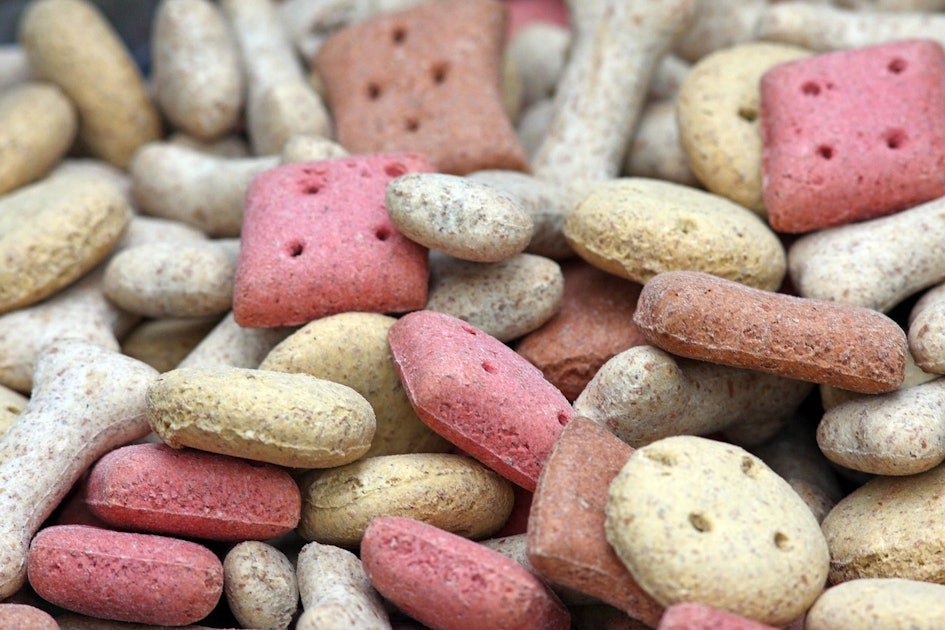
The organized pet food market is dominated by multinational brands including Mars Petcare, Nestlé Purina, Royal Canin and Drools, which collectively account for a significant portion of sales. These companies offer product ranges including dry food, wet food, therapeutic diets and breed-specific formulations at premium and mid-range price points.
Domestic manufacturers and emerging startups are targeting value-conscious consumers and Tier-2 and Tier-3 cities, where pet ownership is rising rapidly. Online-first pet food brands are intensifying competition by offering subscription models and customized nutrition solutions.
E-commerce platforms accounted for over 25% of organized pet food sales in India by 2024, with strong growth expected through 2032, according to TraceData Research. Specialty pet stores and veterinary clinics are emerging as trusted purchase points, particularly for premium and prescription pet food.
Rising awareness about pet obesity, digestive health, allergies and age-specific dietary needs has led to strong demand for premium and specialized pet food products. Veterinarian-recommended diets and functional foods addressing joint health, skin and coat, and immunity are witnessing strong traction, particularly among dog and cat owners in metro cities.
India’s market challenges
TraceData noted the Indian market faces challenges related to price sensitivity and limited penetration beyond urban areas. A large portion of pet owners still rely on homemade food due to cost concerns and lack of awareness, particularly in rural and semi-urban regions.
Supply chain inefficiencies, dependence on imported raw materials and fluctuations in input costs pose challenges for manufacturers, according to the research firm.
According to the report, dogs continue to account for the largest share of consumption, while cat food is emerging as the fastest-growing segment.
“Innovation in functional nutrition, clean-label ingredients and customized diets will be key differentiators shaping the next phase of growth in India’s pet food industry,” according to consultants at TraceData Research in their publication “India Pet Food Market Outlook to 2035: By Product Type (Dry Food, Wet Food, Treats), By Pet Type (Dogs, Cats, Others), By Pricing (Economy, Premium, Super-Premium), and By Distribution Channel (Online, Pet Stores, Veterinary Clinics).”