A supplement made from broccoli, green tea, and turmeric has slowed the rise of a prostate cancer blood marker in men monitored for early disease.
That slowdown reframes how long some patients may remain on surveillance before confronting treatment decisions.
Slowing a key cancer signal

Rising prostate-specific antigen (PSA) levels often determine when low-risk prostate cancer shifts from observation to intervention.
Clinical monitoring at the University of Bedfordshire and Cambridge University Hospitals has documented a measurable slowdown in that rise after a short dietary intervention.
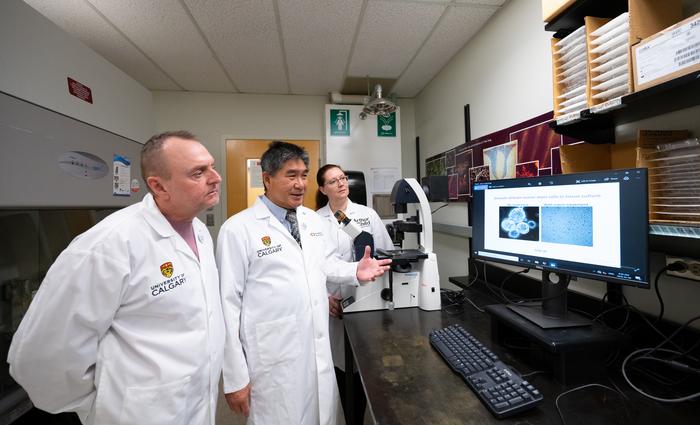
Professor Robert Thomas, a consultant clinical oncologist at Cambridge University Hospitals, observed the change while following men already enrolled in routine surveillance programs.
The result defines a narrow but important window where disease signals eased without altering standard care, setting up questions about durability and scope.
What went into capsules
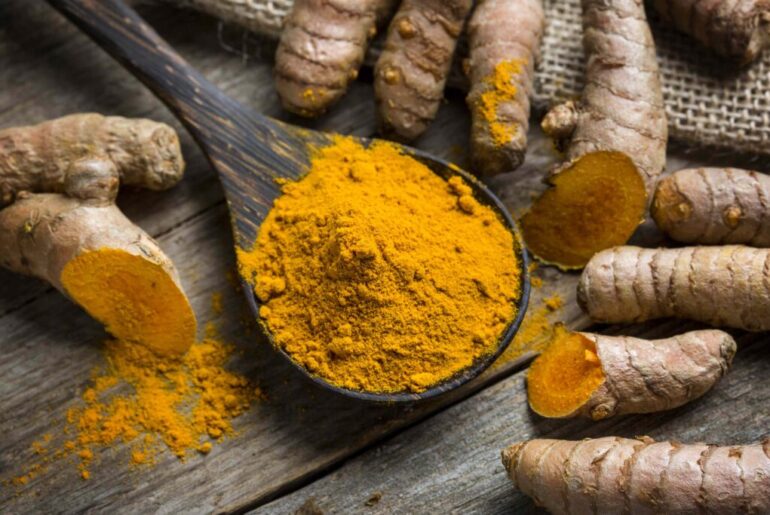
Instead of telling men to overhaul meals, the team used capsules that concentrated six plant foods.
Those foods supplied phytochemicals, plant compounds that can affect cells, and the mix avoided pushing any single ingredient too hard.
Half the men also took probiotics, live microbes meant to benefit health, chosen from Lactobacillus strains linked to gut balance.
Because a placebo sat in the bottle, researchers could tie differences to the added bacteria, not expectations.
Gut microbes and cancer behavior
A growing body of work links the microbiome, the mix of microbes living in the gut, to prostate cancer behavior.
Gut bacteria can shape inflammation and immune patrols, and they also change how the body handles hormones that feed prostate tissue.
Bacteria broke parts of the plant blend into small molecules that fed gut lining cells and helped keep the barrier intact.
The trial leaned on that biology, but it still tested a specific capsule set, not every diet or probiotic on shelves.
Trial design and setup
At a single hospital clinic, 208 men with low-risk prostate cancer joined a blinded, randomized trial that ran for four months.
All were on active surveillance, close monitoring with regular tests because doctors expected slow growth and wanted to avoid overtreatment.
Researchers asked everyone to stop other supplements, then gave the plant capsules and either the probiotic blend or placebo.
Blood tests and symptom surveys showed whether the approach changed the pace of disease signals.
What the data showed
Clinicians watched the PSA test because prostate-specific antigen levels often rise as cancer becomes more active.
Before the intervention, PSA had climbed about 20 percent in each group over four months, which raised the stakes.
During four months, the plant capsule plus placebo slowed rise to 6.5 percent, while probiotics dropped PSA by 21.4 percent.
That gap is important because men usually choose treatment when PSA trends keep worsening, even if scans or biopsies stay quiet.
MRI scans backed it up
Some participants also had magnetic resonance imaging, detailed scans that show prostate lesions, and clinicians shorten the name to MRI.
Among men with before-and-after MRI, 18 percent in the placebo arm showed progression, compared with 7.8 percent in the probiotic arm.
“What is particularly reassuring is that the changes we saw in PSA were supported by changes on MRI scans, which is very unusual and unique in nutritional research,” said Professor Thomas.
Everyday symptoms improved
Beyond cancer markers, men reported easier urination, and scores for urinary symptoms improved by about 25 percent across groups.
Because both arms took the plant capsules, those changes pointed to the food blend rather than the extra bacteria alone.
Erectile function scores also rose, averaging an 11 percent improvement, which matters when men weigh quality of life against treatment risks.
Self-reported gains can reflect hope or attention, so a longer study will need harder endpoints to confirm true symptom change.
Inflammation and hormones
Blood counts also tracked the neutrophil-to-lymphocyte ratio, a rough inflammation marker from white blood cells, which moved in opposite directions.
In the placebo group it rose, while in the probiotic group it fell, hinting that gut changes lowered body-wide irritation.
Testosterone levels also ended slightly higher with probiotics, which helped counter worries that plant compounds might act like estrogen.
Those lab signals do not prove a cause, but they fit the idea that gut microbes can tune immune activity.
What the study cannot prove
Four months is short in a disease that unfolds over years, so researchers cannot claim fewer surgeries or deaths yet.
Most participants were white and came from one U.K. center, which limits how confidently the results travel to others.
The team also did not repeat biopsies, so PSA and MRI served as stand-ins for what tumors were doing in tissue.
Because the capsules were specific branded formulas, men should not assume any broccoli pill or probiotic shelf mix will act the same.
Next steps in research
The trial tied a plant supplement plus bacteria to slower PSA movement, steadier scans, and daily comfort for many men.
Next studies will need longer follow-up, more diverse volunteers, and clearer tissue evidence before doctors treat supplements like standard care.
The study is published in European Urology Oncology.
—–
Like what you read? Subscribe to our newsletter for engaging articles, exclusive content, and the latest updates.
Check us out on EarthSnap, a free app brought to you by Eric Ralls and Earth.com.
—–