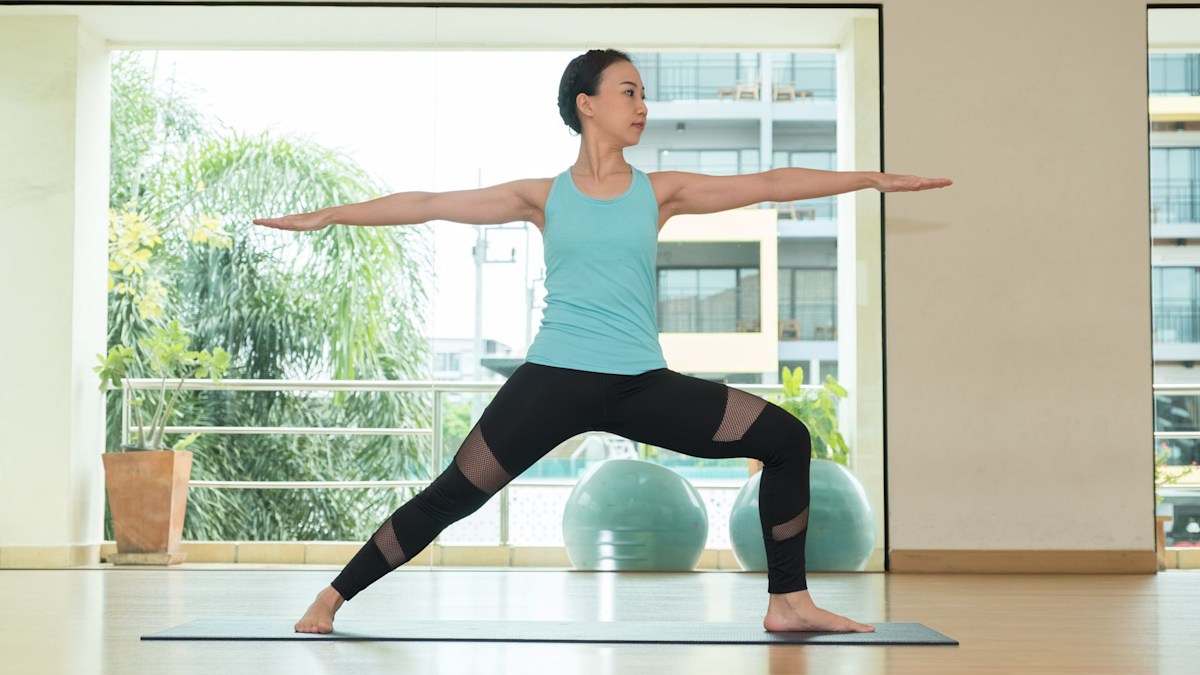
It is often said that once you’ve woven yoga into your life, there’s simply no going back. Far more than just a way to stay physically in shape, yoga is a truly holistic discipline, which is perhaps why so many people find themselves getting hooked.
But how often should we actually be hitting the mat to see the real benefits? And is daily practice truly the best approach? Vinyasa yoga teacher Sara García is helping us answer those questions and more.
Home yoga vs studio: Why consistency beats the setting
The first thing the expert points out is that, contrary to popular belief, you don’t actually need to sign up for a specialised studio to get started. You can practise quite comfortably at home with nothing more than a mat and some basic equipment.
“In addition, it’s not essential to dedicate long hours to it,” explains the expert. “Even a brief session is better than not practising at all. In reality, what really makes the difference is consistency: practising for a few minutes every day has a much greater impact than doing it sporadically for several hours.”
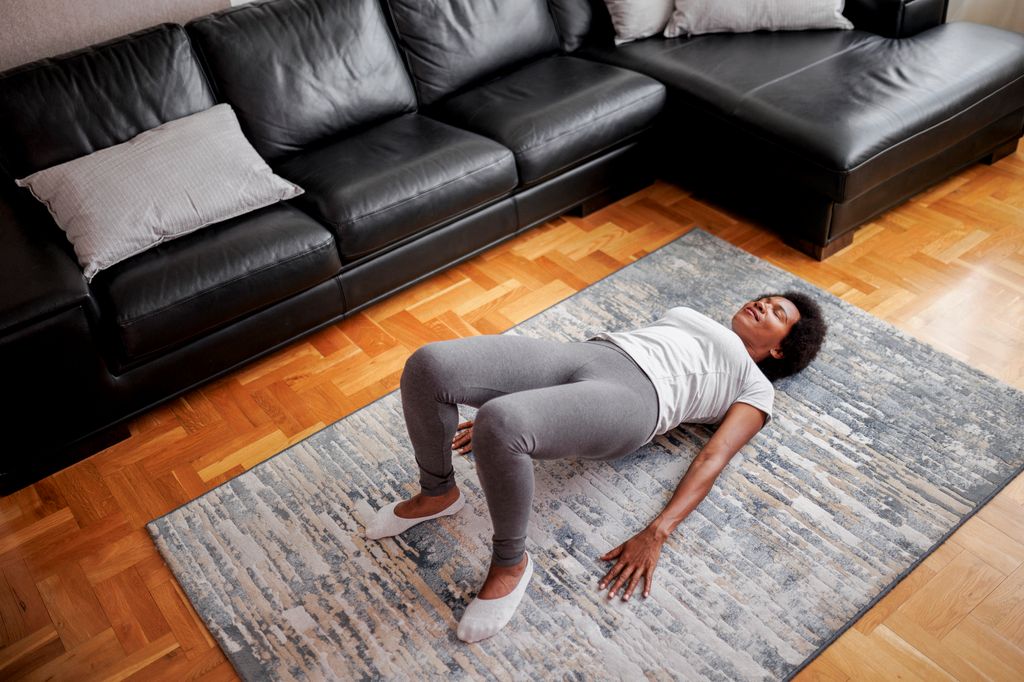 © Getty ImagesYoga is easy to practise at home
She adds that the ultimate goal of yoga isn’t just to feel a “post-session high” but to allow the benefits to integrate themselves into your daily life, shaping both your physical well-being and your state of mind.
How many days a week should you practise yoga for results?
Returning to the original question of how much yoga one should actually do for the best possible results, Sara García’s answer is simple: it depends. “What does it depend on? On the goals of each person,” she explains. To help us understand, she offers two distinct scenarios:
For those looking to de-stress: If your goal is simply to get the body moving, clear your head and switch off from the daily grind, she recommends practising at least twice a week, pairing it with other sports or fitness disciplines.
For those looking to progress: If you really want to master the discipline, deepen your practice and see significant results, aim for five days a week.
“Practising for a few minutes every day has a much greater impact than doing it sporadically for several hours”
Vinyasa yoga teacher Sara García
“The duration, in both cases, can range from approximately 20 minutes to two hours,” she adds.
Does your yoga experience level affect your routine?
Whether you should practise more or less also comes down to your experience level. Beginners might find shorter, more frequent sessions less daunting, whereas seasoned yogis often prefer longer sessions to explore more complex flows.
 © Getty ImagesYoga is a great workout that can be adapted to your age or level
For Sara, experience isn’t the deciding factor. “Many people might be classed as absolute beginners because they’ve only recently started, but that doesn’t mean they should stick to just two days a week,” she explains. “In fact, I’d actually recommend practising five days a week right from the start, provided you can find the time in your schedule.”
When it comes to advanced practitioners, she explains that the goal is still to hit the mat five days a week, even if it’s just for a few minutes. However, if life gets in the way and that isn’t feasible, getting in two days a week is still enough to maintain your progress.
8 incredible benefits of a consistent yoga routine
The advantages of maintaining a regular practice are extensive. The expert highlights the following key benefits:
Building core and functional strength: Developing lean muscle across the whole body.
Enhancing flexibility: Increasing your range of motion and overall limberness.
Boosting lung capacity: Improving respiratory health through controlled breathing techniques.
Cultivating inner peace: Fostering emotional stability and a calmer outlook.
Lowering stress levels: Reducing tension in both the mind and body.
Injury prevention: Safeguarding the joints and muscles through improved mobility.
Sharpening mental clarity: Enhancing focus and concentration.
Increasing confidence: Developing a better sense of self-assurance and body awareness.
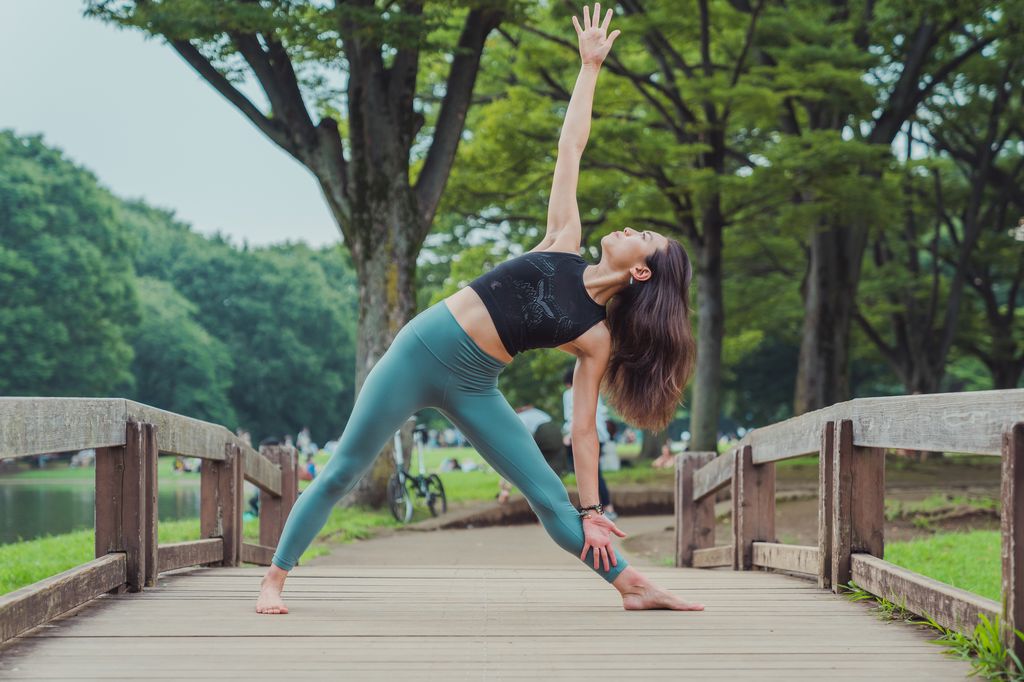 © Getty ImagesTry to do some moves two to five days a week – consistency is key
Is daily yoga safe? Finding the balance between practice and rest
A regular yoga routine offers a wealth of physical and mental benefits, but as with anything in life, it’s all about striking a balance. “If your sessions are short – around 30 minutes – practising daily can be a wonderful way to look after your body and mind. However, if your sessions are longer and more intense, remember that rest is just as important as the practice itself,” Sara explains.
 © Getty ImagesDon’t forget to give your body time to recover between sessions
In her view, the body needs time to recover and avoid the risk of burnout. “If you’re combining yoga with other physical activities, try to include at least one full rest day a week to allow your body to recharge. Ultimately, the most important thing is to listen to your body.”
Life happens, of course, so there may be times when you can only work out once a week. “In this scenario, the ideal approach is to pair it with another sport or fitness activity,” Sara suggests. “I’d also recommend doing a few minutes of yoga at home – even if it’s just some basic stretching – to keep your body mobile and prevent stiffness from setting in.”
Morning vs. evening yoga: When is the best time to hit the mat?
This is one of the most common questions: Is there a golden hour for yoga? The yogi is very clear on this: “The best time to practise is whenever fits your schedule and allows you to stay consistent. The specific hour doesn’t matter nearly as much as your commitment to showing up.”
That said, she does have two preferred windows: the start or the end of the day.
The Morning Flow: Waking Up. “Practising first thing in the morning is a fantastic way to wake up the body after a night’s sleep. Stretching your muscles early on helps to boost circulation and sets you up with mental clarity and balance. Plus, carving out those first few moments of the day for yourself creates a sense of wellbeing that stays with you until bedtime.”
The Evening Flow: Winding Down. “An evening session allows you to release the day’s accumulated tension, calm the nervous system and prepare the body for a deep, restful sleep. Interestingly, your muscles are often naturally more flexible at this time of day because you’ve been moving around, which can make certain poses feel much more comfortable and accessible.”
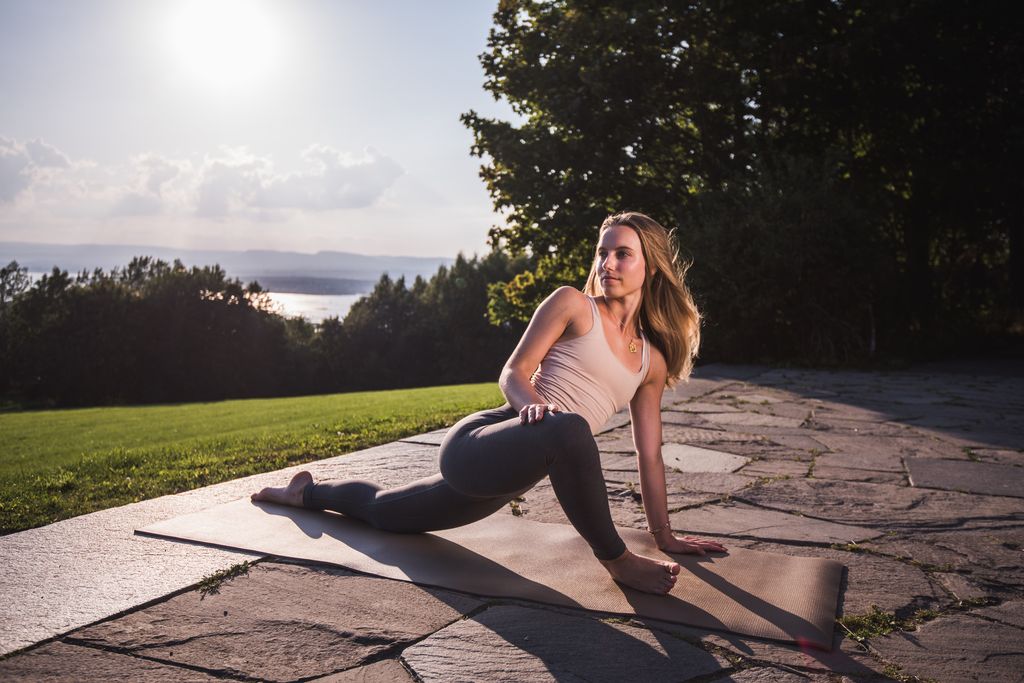 © Getty ImagesThe time of day you choose to work out has different benefits
Why patience is the secret to mastering your yoga journey
Finally, we asked Sara a very specific question: What would she say to a beginner who expects to see instant results? “If someone starts yoga expecting an immediate transformation, I would remind them that true progress isn’t measured by how flexible or strong you are,” she explains. “It’s measured by your ability to stay present and in tune with your body and your breath.”
“The best time to practise is whenever fits your schedule and allows you to stay consistent. The specific hour doesn’t matter nearly as much as your commitment to showing up”
Vinyasa yoga teacher Sara García
In Sara’s view, an advanced practitioner isn’t necessarily the person mastering the most demanding or Instagrammable poses; it’s the person who can maintain mindfulness from the beginning of the session to the end.
By the same token, a “beginner” isn’t just someone who is new to the mat, but someone who hasn’t yet learned conscious breathing techniques or how to connect with the present moment.
 © Getty ImagesDon’t worry about Instagrammable poses, just enjoy your moment of calm
“The benefits of yoga don’t simply appear overnight; they evolve over time,” she concludes. “If you practise with consistency, intention and a genuine respect for your body, you will start to notice a gradual shift in both your physical ability and your general wellbeing. We’re playing the long game: the more you weave yoga into the fabric of your life, the more profoundly it will transform your body and mind.”