A study has found that 71% of US baby foods are classified as ultra-processed foods (UPFs), including infant and toddler products sold in the top ten US grocery store chains.
UPFs tend to lack nutrients in comparison to whole foods and less processed products, while containing more additives and sugar.
The researchers are worried about these foods for infants and toddlers, as early-life nutrition can have long-term health effects.
“Infancy is a critical time for shaping lifelong eating habits, introducing babies to foods that are overly sweet, salty, and packed with additives can set the stage for unhealthy preferences that last beyond childhood,” says Dr. Elizabeth Dunford, research fellow at the George Institute, Australia, and adjunct assistant professor at the Department of Nutrition at the University of North Carolina, US.

“We also know that high UPF consumption in children is linked to heart and metabolic conditions later in life, so it’s best to try and avoid introducing them in the first place.”
Adding additives
Additives were the most common ingredients in the baby foods analyzed. The main categories in 71% of the 651 products include flavor enhancers (36%), thickeners (29%), emulsifiers (19%), and colors (19%). Over 105 unique additive ingredients were identified in the dataset.
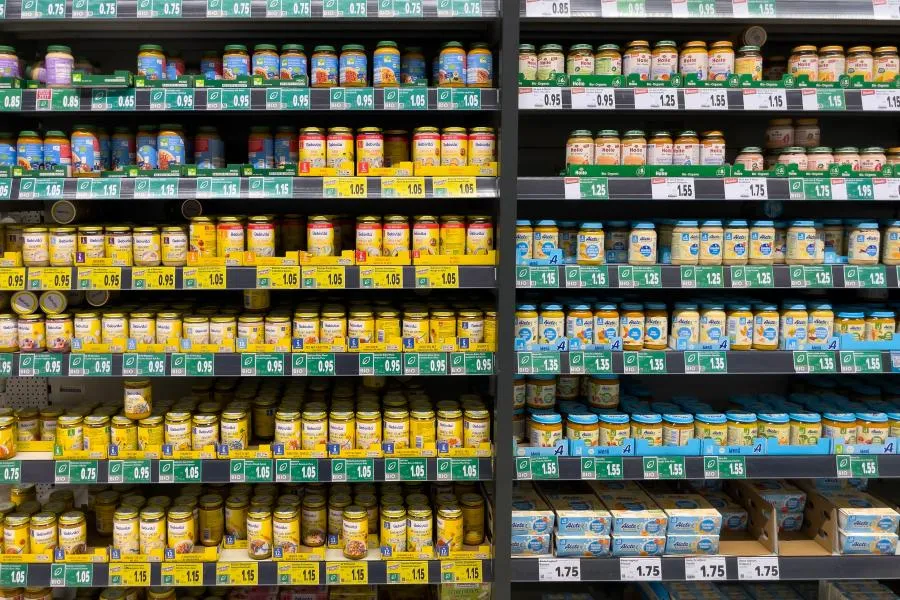 Additives were the most common ingredients in the baby foods analyzed.There is a growing body of evidence that certain additives may harm health, stresses Dunford.
“With emulsifiers, thickeners, and stabilizers potentially altering gut function and synthetic colors affecting behavioral outcomes in children, the high use of cosmetic additives found in US baby foods is particularly concerning.”
Compared to other baby foods, ultra-processed options contained twice as much sugar. It also contained added sugar, unlike the non-UPF equivalents. This was most evident in finger foods and snacks, where UPFs contained 2.5 times as much sugar.
“The baby food aisle is increasingly dominated by ultra-processed products that prioritize convenience over nutrition. While pouches and snacks may seem practical, they are often the most processed and least healthy options,” says Dunford.
“Clearer labeling and specific regulation for baby foods are urgently needed to help parents make more informed choices. Until then, checking the ingredients list is one of the best ways to spot the highly processed options. If you see an ingredient you don’t recognize, then it’s probably best to put it back on the shelf.”
Shaping preferences
The study, published in Nutrients, stresses that the results raise questions about how these products fit within dietary guidelines for infants and young children.
 The results raise questions about how these products fit within dietary guidelines for infants and young children.“The dominance of UPF ingredient markers in products aimed at infants and toddlers has notable health implications. Although the long-term effects of UPF consumption during infancy are not yet fully understood, growing evidence indicates that early exposure to UPFs can shape taste preferences, dietary habits, and metabolic risk carried into adolescence and adulthood,” reads the study.
It continues that dietary patterns established in the first years of life tend to persist, and therefore exposure to sweet, “addictive-enhanced products” may cultivate preferences for highly processed foods.
Infants and toddlers have a more vulnerable gut physiology, and the additives studied may affect inflammation pathways and gut barrier function, detail the paper’s authors.
A previous study found that a child’s early gut microbiome may influence their risk of developing depression, anxiety, or other internalizing symptoms during childhood. The early-life microbiome composition was associated with differences in connectivity across emotion-related brain networks linked to anxiety and depression later in life.
UPFs are also linked to other chronic diseases and obesity. Last year, UNICEF declared that 2025 marked a “historic turning point,” as a report found that global obesity among schoolgoers has overtaken undernutrition rates for the first time.